
Thomas Ligotti Books in Order
Explore Thomas Ligotti books in order, from early weird fiction collections to later essays and poetry, with quick summaries and help on where to start.
Last updated:
As an Amazon Associate, we earn from qualifying purchases (at no extra cost to you).
Thomas Ligotti books in publication order
16 books
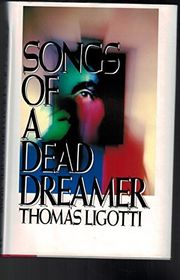
Songs of a Dead Dreamer
by Thomas Ligotti
1986
Ligotti's debut collection introduces his strange towns, deranged performers, and dreamlike horrors. These early stories lean on gothic atmosphere and cosmic dread, but already show the calm, uncanny voice that became his trademark.
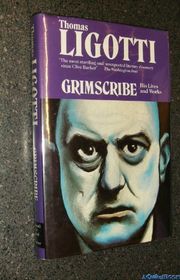
Grimscribe
by Thomas Ligotti
1991
This collection pushes Ligotti's nightmare logic further, with stories about sinister texts, hidden cults, puppets, and collapsing identities. It is darker and more inward than his debut, while still packed with memorable uncanny set pieces.
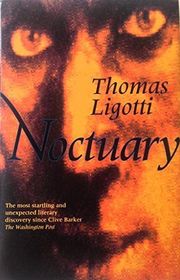
Noctuary
by Thomas Ligotti
1994
Part story collection, part notebook of shadows, Noctuary moves from more traditional weird tales into brief, fragmentary pieces. It feels intimate and haunted, as if Ligotti were jotting nightmares directly onto the page.
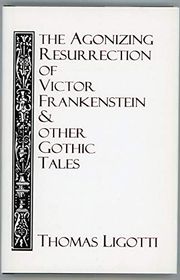
The Agonizing Resurrection of Victor Frankenstein and Other Gothic Tales
by Thomas Ligotti
1994
A slim volume of gothic miniatures, this book reimagines Victor Frankenstein, the Phantom, Lawrence Talbot, and other familiar figures. Ligotti strips old monsters down to pure misery and obsession, making them eerie again.
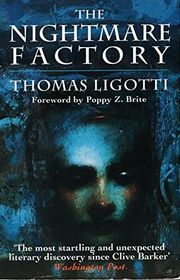
The Red Tower
by Thomas Ligotti
1996
This standalone piece imagines a remote factory that keeps producing impossible objects long after it should have gone silent. Plot matters less than mood, as Ligotti turns industrial decay into a vision of reality gone badly wrong.

In a Foreign Town, in a Foreign Land
by Thomas Ligotti
1997
This short collection gathers four connected stories that drift through illness, memory, and foreign-seeming reality. The mood is hushed and hypnotic, with less plot than a lingering sense that the world has quietly tilted.
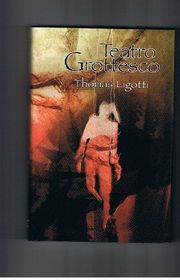
Teatro Grottesco
by Thomas Ligotti
1997
One of Ligotti's strongest later collections, this book drops artists, workers, and drifters into worlds ruled by absurd authority and spiritual rot. The horror is often social as much as supernatural, and the dread builds story by story.
Crampton
by Thomas Ligotti
2002
Co-written with Brandon Trenz, this screenplay leads into the sinister town of Crampton, where mannequins, bodies, and reality itself stop behaving. It has the bones of an occult investigation thriller, filtered through Ligotti's usual cosmic wrongness.
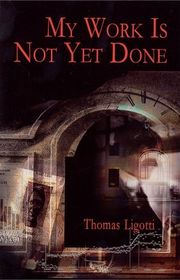
My Work is Not Yet Done
by Thomas Ligotti
2002
This trio of corporate horror stories begins with a betrayed office worker who comes back for revenge, then grows stranger from there. Ligotti turns meetings, memos, and office politics into something ugly, funny, and deeply unnerving.

Sideshow and Other Stories
by Thomas Ligotti
2003
A strange, linked sequence of very short pieces, framed by one writer sifting through another writer's dark inventions. It reads like a cabinet of mini nightmares, with each fragment adding to a larger sense of artistic obsession and collapse.
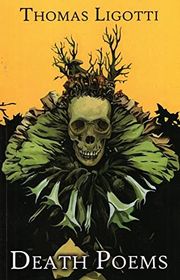
Death Poems
by Thomas Ligotti
2004
Ligotti's poetry collection circles death from every angle, with terse, bitter, sometimes deadpan meditations on fear, extinction, and the body. Read it for the mood rather than narrative, and for a sharper look at his philosophical side.
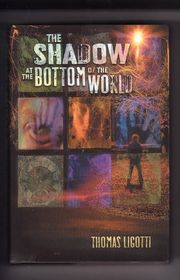
The Shadow at the Bottom of the World
by Thomas Ligotti
2005
This collection brings together stories from different points in Ligotti's career, including the memorable title piece about a town overtaken by a spreading darkness. It works well as a sampler of his range, from classic weird tales to colder nightmares.
The Conspiracy Against the Human Race
by Thomas Ligotti
2011
Ligotti turns from fiction to philosophy, arguing that human consciousness is a bad bargain and that we survive by telling ourselves comforting lies. It is bleak, lucid, and the clearest guide to the ideas behind his horror.
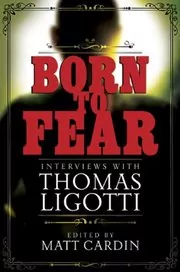
Born to Fear
by Thomas Ligotti
2014
A collection of rare interviews in which Ligotti talks about fear, illness, writing, music, and the philosophy behind his fiction. It is the closest thing to a self-portrait from an author who usually stays out of sight.
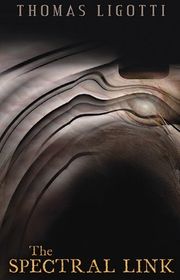
The Spectral Link
by Thomas Ligotti
2014
This late, very slim book contains two stories, one shaped by surgical pain and nihilistic thought, the other by sinister toy-like figures invading a child's world. It is brief, concentrated, and among Ligotti's bleakest work.
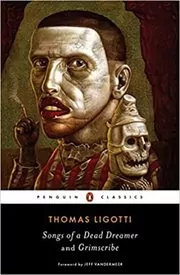
Songs of a Dead Dreamer and Grimscribe
by Thomas Ligotti
This volume brings together Thomas Ligotti's first two horror collections. Stories set in decaying cities and unsettling dreamscapes bend ordinary reality, exploring cosmic dread, human insignificance, and existential unease through ornate prose and moments of clinical detachment.
Where to start with Thomas Ligotti
If you want the classic weird fiction: Songs of a Dead Dreamer → Grimscribe
If you want his sharpest later stories: Teatro Grottesco → The Spectral Link
If you want office horror with a clearer plot: My Work is Not Yet Done → Teatro Grottesco
If you want the philosophy behind the fiction: The Conspiracy Against the Human Race → Born to Fear
Thomas Ligotti collections, short stories, and related book types
Collections
Plays
Non-Fiction
Short Stories/Novellas
Standalone Thomas Ligotti books
Author bio
Thomas Ligotti was born in Detroit in 1953 and grew up in the Detroit suburbs. He came out of a Midwestern landscape that echoes through his work, in the empty offices, tired neighborhoods, and places that feel slightly unreal even before anything supernatural happens.
His path to writing was not neat or academic. In interviews, Ligotti has said that a severe bout of fear and agoraphobia in his youth changed his life, pushing him toward reading and writing because they were among the few things that steadied his mind.
That turn inward mattered.
Around the early 1970s he discovered Lovecraft, and that seems to have given him both a subject and a direction. He began studying fiction on his own, writing steadily for years, and by the early 1980s his stories were appearing in small press magazines. He also spent time as a contributing editor for Grimoire, a magazine tied to some of his earliest published work.
For most of that same period, Ligotti had a demanding day job at Gale Research in the Detroit area, where he spent more than two decades editing reference books and literary criticism. That background matters because his fiction is full of clerks, managers, paperwork, routine, and the weird spiritual damage of office life. If My Work is Not Yet Done feels like it was written by someone who knows fluorescent despair from the inside, it was.
Most readers meet him through the collections Songs of a Dead Dreamer and Grimscribe. Those books established the core Ligotti experience: precise prose, dream logic, and a sense that ordinary reality is made of thin material and bad faith. Later books such as Teatro Grottesco made the humor drier and the settings more social, while The Conspiracy Against the Human Race laid his bleak philosophy out in direct, nonfiction form.
He almost always works best in short forms.
Even at his darkest, Ligotti is not really a gore writer. What readers tend to remember are the moods and images: puppets, abandoned factories, shabby theaters, clowns, cults, dim rooms, artificial towns, and narrators who seem half a step outside the human world. Again and again he returns to fear, consciousness, performance, illness, and the suspicion that life may be a bad show nobody knows how to leave.
Books like Noctuary, In a Foreign Town, in a Foreign Land, and The Spectral Link show how flexible that vision can be, moving from compact nightmare tales to fragments, prose pieces, and collaborations with musicians. He worked with Current 93 on several projects, which makes sense once you hear how musical his sentences can be, even when they are describing ruin.
Ligotti's work has won Bram Stoker Awards, and his early collections were later reissued by Penguin Classics in a single volume, a rare bit of mainstream recognition for such an unusual writer. But he has remained a private figure. He left his editorial job in 2001, moved to South Florida, and has lived mostly out of the public eye while publishing only occasionally. That privacy has become part of the story around him, but the books themselves still feel immediate, especially if you like horror that whispers, repeats itself, and leaves you with the sense that the world has been badly designed from the start.







Edited by
Software engineer whose passion for tracking book recommendations from podcasts inspired the creation of MRB.
Lead investor at 3one4 Capital whose startup expertise and love for books helped shape MRB and its growth.
Comments
Did we miss something? Have feedback?
Help us improve this page by sharing your thoughts