
Thomas Keneally Books in Order
Explore Thomas Keneally books in order, with short summaries, series links, and a quick guide to where to start across his fiction, memoir, and history.
Last updated:
As an Amazon Associate, we earn from qualifying purchases (at no extra cost to you).
Thomas Keneally books in publication order
68 books
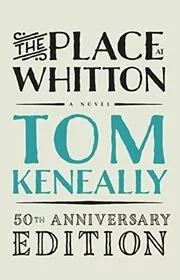
The Place at Whitton
by Thomas Keneally
1964
As a seminary approaches a mass ordination, two murders shatter its closed world. Part mystery and part study of religious life, Keneally's first novel already shows his fascination with conscience and authority.
The Fear
by Thomas Keneally
1965
Drawing on wartime Australia, this early novel follows a boy living with anxiety, separation, and confused ideas of heroism while the larger violence of World War II presses in.
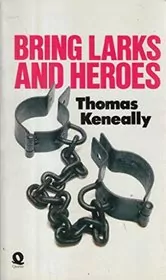
Bring Larks And Heroes
by Thomas Keneally
1967
In a brutal late eighteenth-century penal colony, Irish marine Phelim Halloran is caught between authority and the condemned. Keneally makes settlement feel raw, improvised, and morally corrosive.
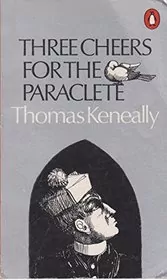
Three Cheers for the Paraclete
by Thomas Keneally
1968
A questioning Catholic priest finds himself at odds with church authority and with his own calling. The novel is funny, sad, and sharply alive to institutional fear of change.
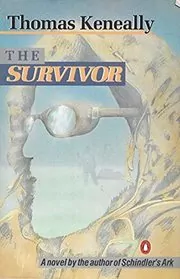
The Survivor
by Thomas Keneally
1969
Years after a disastrous Antarctic expedition, the lone survivor lives with celebrity, guilt, and memory. Keneally uses the polar setting to explore grief, truth, and the stories people tell to keep going.
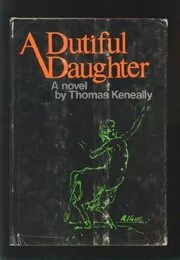
A Dutiful Daughter
by Thomas Keneally
1971
Barbara Glover cares for her strange, decaying parents on the edge of a northern swamp while her brother narrates. Grotesque, darkly funny, and unsettling, it is one of Keneally's strangest family novels.
The Chant of Jimmie Blacksmith
by Thomas Keneally
1972
Based on the story of Jimmy Governor, the novel follows an Aboriginal man driven toward violence by exploitation, racism, and the impossible demand that he fit two worlds at once.
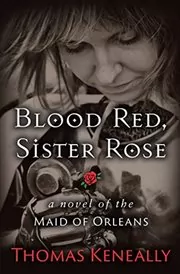
Blood Red, Sister Rose of the Maid of Orleans
by Thomas Keneally
1974
This novel imagines Joan of Arc from village girl to national figure, dwelling on faith, voices, charisma, and the burdens placed on someone still very young.
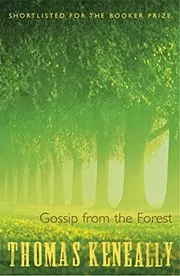
Gossip from the Forest
by Thomas Keneally
1975
Set during the armistice talks that ended World War I, this novel turns diplomacy into intimate human drama. Keneally pays special attention to Matthias Erzberger and the defeated German side.
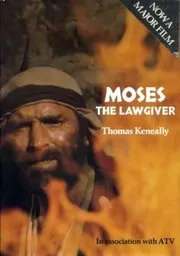
Moses The Lawgiver
by Thomas Keneally
1975
Keneally retells the life of Moses, from the Egyptian court to the Exodus and the giving of the law, with an eye for both public legend and private strain.
Season In Purgatory
by Thomas Keneally
1977
A British Army doctor parachutes to an Adriatic island to aid Tito's partisans in World War II. The novel balances battlefield horror with hard questions about courage, ideology, and survival.
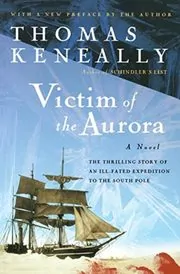
Victim of the Aurora
by Thomas Keneally
1977
On an Antarctic expedition, a death becomes the center of a tense locked-room style mystery. Ice, isolation, and old resentments make this one of Keneally's most unusual novels.
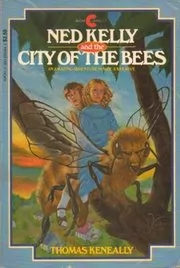
Ned Kelly and the City of the Bees
by Thomas Keneally
1978
In this playful children's adventure, Keneally reimagines bushranger Ned Kelly for younger readers, mixing Australian legend with oddity, danger, and comic invention.
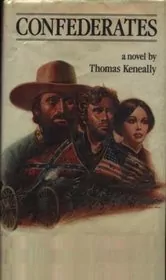
Confederates
by Thomas Keneally
1979
Keneally's panoramic Civil War novel follows soldiers and civilians around Stonewall Jackson's army. It is less about battlefield glory than confusion, desire, exhaustion, and the grim pull of history.
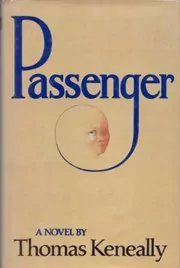
Passenger
by Thomas Keneally
1979
Narrated from the womb, this strange and inventive novel follows an unborn child watching his parents' marriage fail, his mother unravel, and a fraught journey toward Australia begin.
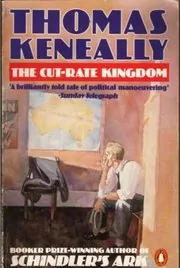
Cut Rate Kingdom
by Thomas Keneally
1980
Set in Australia in 1942, this wartime novel follows people trying to live, govern, and improvise under the pressure of invasion fears and global conflict.
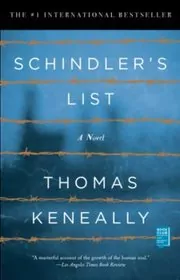
Schindler's List
by Thomas Keneally
1982
Oskar Schindler begins the war as a profiteer and ends up saving more than a thousand Jews from Nazi murder. Keneally tells the story with documentary weight and the momentum of a novel.
Recommended by
1 person Hillary Clinton recommended this book
Hillary Clinton
One of Hillary Clinton's 3 answers to "Is there one book you wish all students would read?"
Hillary Clinton's recommendation of this book
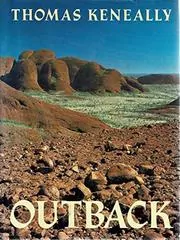
Outback
by Thomas Keneally
1984
Keneally looks at the Australian interior as both real place and national myth, tracing the harsh beauty, isolation, and human stories that gather around the bush.
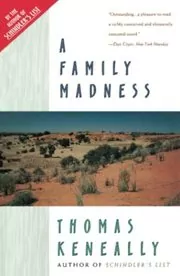
A Family Madness
by Thomas Keneally
1985
When Terry Delaney becomes involved with the daughter of a Belarusian refugee, he is drawn into a family still torn by World War II. Past atrocity and present-day Australia collide with tragic force.
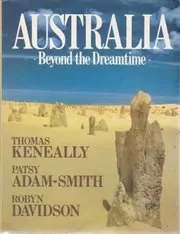
Australia
by Thomas Keneally
1987
An accessible portrait of Australia that sketches the country's history, people, landscapes, and contradictions for general readers.
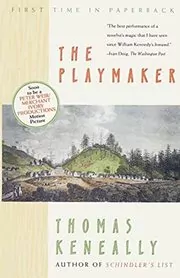
Playmaker
by Thomas Keneally
1987
In the first years of the penal colony, convicts are ordered to stage a play. Out of rehearsals and punishments, Keneally builds a rich story about authority, performance, and the stubborn dignity of the imprisoned.
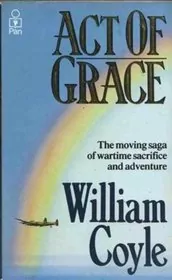
Act Of Grace
by Thomas Keneally
1989
A taut moral thriller about power, guilt, and divided loyalties, this novel follows characters forced into choices that have no clean or comforting outcome.
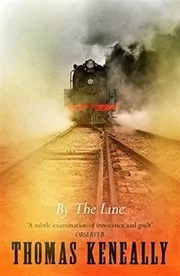
By The Line
by Thomas Keneally
1989
A later reworking of Keneally's early novel The Fear, this book revisits wartime Australia through a boy's eyes, catching the unease of absence, duty, and growing up under pressure.
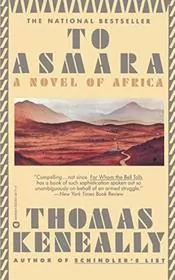
To Asmara / Towards Asmara
by Thomas Keneally
1989
Blending reportage and narrative drive, Keneally follows the Eritrean struggle for independence through a landscape of war, endurance, and uneasy foreign witness.
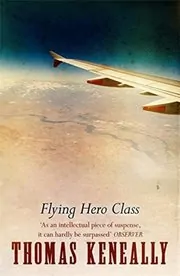
Flying Hero Class
by Thomas Keneally
1991
An Aboriginal dance troupe on a flight from New York to Frankfurt becomes caught in a Palestinian hijacking. Keneally turns the thriller setup into a tense argument about homeland, identity, and political sympathy.
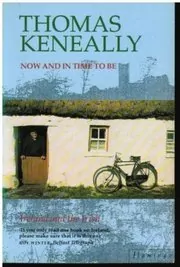
Now and in Time to Be
by Thomas Keneally
1991
One of Keneally's early novels, this is a morally charged story about people trying to hold on to purpose and human connection while public events press hard on private lives.
The Place Where Souls Are Born
by Thomas Keneally
1992
Keneally explores place, family memory, and spiritual hunger in a story about the marks landscapes and old loyalties leave on the living.
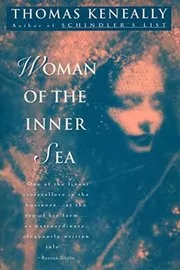
Woman of the Inner Sea
by Thomas Keneally
1992
After a devastating personal shock, Kate Gaffney-Kozinsky walks away from her Sydney life and heads into the Outback. What follows is a novel of grief, reinvention, and the strange freedom of starting over.
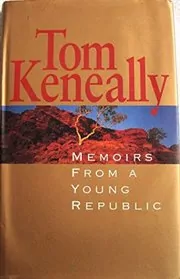
Memoirs From A Young Republic
by Thomas Keneally
1993
This collection reflects on Australia as a still-forming nation, mixing politics, history, and argument in Keneally's plainspoken, combative style.
Our Republic
by Thomas Keneally
1993
Keneally makes the case for an Australian republic in clear, energetic prose, arguing through history, politics, and national symbolism rather than abstract theory alone.
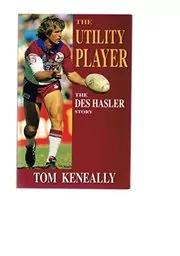
The Utility Player
by Thomas Keneally
1993
Keneally tells the story of rugby league star Des Hasler, focusing on his versatility, competitiveness, and the hard realities of top-level football.
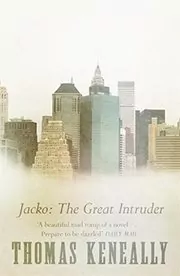
Jacko
by Thomas Keneally
1994
Set in the noisy orbit of television and celebrity, this novel looks at charisma, manipulation, and breakdown. Keneally uses media frenzy to ask what happens when performance swallows the person underneath.
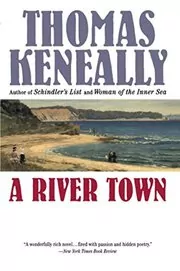
A River Town
by Thomas Keneally
1995
Set in a New South Wales river town around Federation, the novel follows Tim Shea as politics, sectarian tension, and scandal disturb everyday life. Small-town loyalties matter here, and so do the grudges.
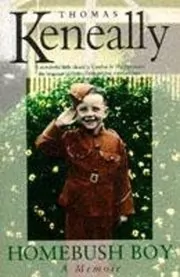
Homebush Boy
by Thomas Keneally
1995
Keneally's memoir returns to his Catholic boyhood in wartime and postwar Sydney. Funny, sharp, and unsentimental, it shows how family, suburb, school, and ambition shaped the writer he became.
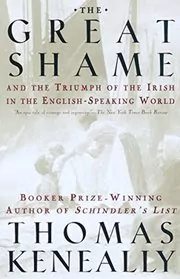
The Great Shame
by Thomas Keneally
1997
Using the Irish diaspora as his thread, Keneally follows rebels, convicts, migrants, and exiles across Ireland, Australia, and America. It is a broad, deeply peopled history of dispossession and survival.
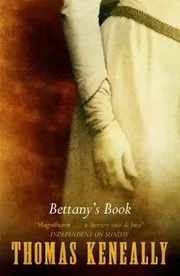
Bettany's Book
by Thomas Keneally
2000
Sisters Prim and Dimp Bettany are pulled together by an ancestor's journal and by modern crises reaching from Australia to Sudan. The novel links family memory, colonial violence, and the uses of history.
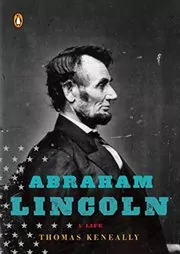
Abraham Lincoln
by Thomas Keneally
2002
A compact life of Lincoln that follows his rise from frontier beginnings to the presidency, the Civil War, and emancipation. Keneally writes him as shrewd, humane, and politically tested at every turn.
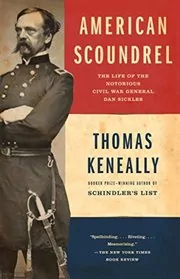
American Scoundrel
by Thomas Keneally
2002
This brisk biography follows Daniel Sickles, congressman, killer, Civil War general, and relentless self-promoter. Keneally makes the scandalous life readable while never losing sight of the violence around it.
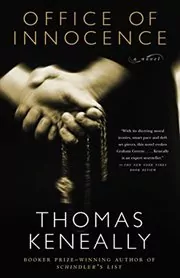
Office of Innocence
by Thomas Keneally
2003
In wartime Sydney, a Catholic priest is forced to reckon with duty, desire, and the damage done by institutions that value obedience over honesty. A morally tense novel about conscience under pressure.

Roos In Shoes
by Thomas Keneally
2003
A light, rhyming picture book in which kangaroos discover the fun and fuss of wearing shoes. It is playful, silly, and built for reading aloud.
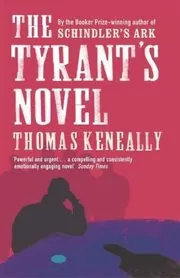
The Tyrant's Novel
by Thomas Keneally
2003
Refugee writer Alan Sheriff looks back on the tyrant who ordered him to produce a masterpiece for the regime. Told from immigration detention in Australia, the novel blends satire, fear, and the cost of survival.
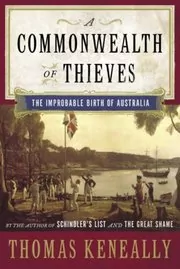
A Commonwealth of Thieves
by Thomas Keneally
2005
Keneally retells the founding of Australia through convicts, officials, and Indigenous encounters, showing how a brutal penal experiment became a nation. It is lively history without losing sight of the human cost.
Dimsum
by Thomas Keneally
2005
A brief, hard-to-find Keneally work that turns on cross-cultural encounters, everyday appetite, and the small misunderstandings that reveal bigger truths about class, identity, and belonging.
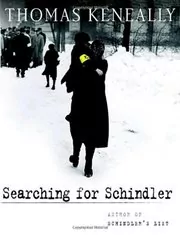
Searching for Schindler
by Thomas Keneally
2007
Part memoir and part literary detective story, this book recounts how Keneally met Poldek Pfefferberg, researched Oskar Schindler, and wrote the novel that became Schindler's List.
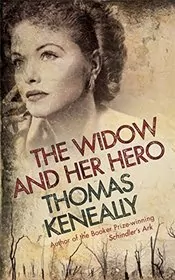
The Widow and Her Hero
by Thomas Keneally
2007
Grace Waterhouse spends decades trying to understand the husband she barely knew before he died on a secret World War II mission. It is a quiet, moving novel about war, memory, and the lives left behind.
Origins to Eureka
by Thomas Keneally
2009
The first Australians volume begins with Aboriginal worlds and the arrival of the British, then carries readers through convict settlement, frontier violence, reform, gold, and the Eureka uprising.
The People's Train
by Thomas Keneally
2009
Artem Samsurov flees tsarist Russia for Australia, only to be pulled back toward revolution. Keneally turns one exile's life into a sweeping story about idealism, disillusion, migration, and political faith.
Three Famines
by Thomas Keneally
2010
Keneally examines the Irish, Bengali, and Ethiopian famines as human disasters shaped not just by crop failure but by policy, empire, and indifference. It is history with anger, compassion, and a clear moral edge.

An Angel in Australia
by Thomas Keneally
2011
Set in wartime Sydney, this novel follows a priest whose belief in innocence and order is tested by war, secrecy, and the messier truths of ordinary human desire.
Eureka to the Diggers
by Thomas Keneally
2011
This second Australians volume moves from the goldfields and Eureka into the decades before World War I, tracing immigrants, radicals, workers, women, and politicians as Australia edges toward nationhood.

Blackberries
by Thomas Keneally
2012
This short work focuses on intimate human ties, showing how memory, loss, and small acts of tenderness can carry a life more than any grand event.
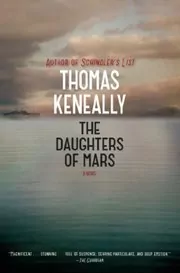
The Daughters of Mars
by Thomas Keneally
2012
Sisters Naomi and Sally Durance leave home to serve as nurses in World War I. On hospital ships and near the front, they face exhaustion, grief, and the difficult work of staying human amid industrial slaughter.
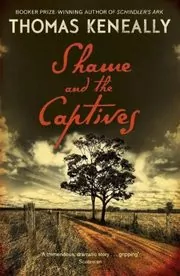
Shame and the Captives
by Thomas Keneally
2013
In wartime rural Australia, Alice's uneasy friendship with an Italian POW unfolds alongside the mounting tension at a camp holding Japanese prisoners. The novel builds toward the Cowra breakout and its shattering aftermath.
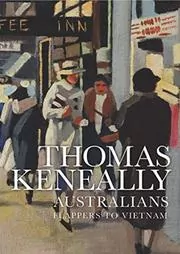
Flappers to Vietnam
by Thomas Keneally
2014
In the third Australians volume, Keneally follows the country from the end of World War I through depression, war, postwar migration, and the Vietnam era, always keeping ordinary lives at the center.
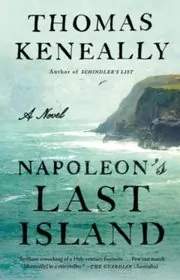
Napoleon's Last Island
by Thomas Keneally
2015
Exiled on St Helena after Waterloo, Napoleon finds an unlikely friend in the spirited Betsy Balcombe. Their strange bond gives this historical novel both intimacy and a sharp sense of the damage power leaves behind.
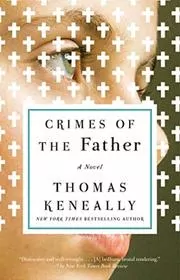
Crimes of the Father
by Thomas Keneally
2016
Former priest Frank Docherty returns to Australia and is drawn into allegations of clerical abuse. The novel follows his struggle to seek truth inside an institution shaped by silence, loyalty, and shame.
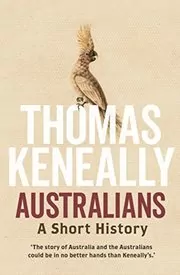
A Short History
by Thomas Keneally
2017
This single-volume history condenses Keneally's Australians trilogy into a brisk, character-led account of the nation, from First Peoples and colonisation to migration, war, and Australia's changing place in Asia.

The Soldier's Curse
by Thomas Keneally
2017
Gentleman convict Hugh Monsarrat and housekeeper Hannah Mulrooney investigate the slow poisoning of a commandant's wife at Port Macquarie. The mystery is sharp, but the real pull is the dangerous colonial world around them.

Two Old Men Dying
by Thomas Keneally
2018
Keneally imagines power at its frailest by focusing on the last days of two old rulers. The novel strips grandeur away and leaves age, fear, memory, and the wreckage of history.

The Ink Stain
by Thomas Keneally
2019
When a combative newspaper editor is shot dead in colonial Sydney, Hugh Monsarrat and Mrs Mulrooney are sent to investigate. The case opens onto corruption, censorship, and the fragile idea of a free press.

The Unmourned
by Thomas Keneally
2019
Now in Parramatta, Hugh Monsarrat is asked to take a statement from a woman accused of murder at the female factory. He and Mrs Mulrooney dig into a case shaped by cruelty, class, and power.
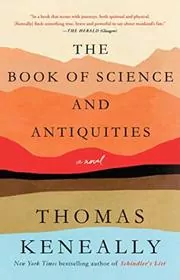
The Book of Science and Antiquities
by Thomas Keneally
2020
Documentary filmmaker Shelby Apple becomes obsessed with the prehistoric Learned Man, whose bones may link ancient Australia and Africa. Keneally pairs his quest with a deep-time story about sacrifice, kinship, and what survives.
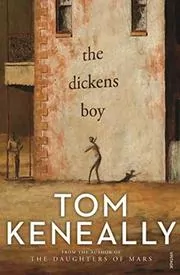
The Dickens Boy
by Thomas Keneally
2020
Sixteen-year-old Plorn Dickens is shipped to colonial Australia to make something of himself. Far from London but never free of his father's fame, he stumbles into a rough, comic, surprising coming-of-age story.

The Pact
by Thomas Keneally
2020
A compact historical tale about loyalty, promises, and the dangerous force of agreements that outlast the moment in which they were made.

The Power Game
by Thomas Keneally
2020
Sent to a remote penal settlement, Hugh Monsarrat and Mrs Mulrooney investigate a murder tangled up with authority, secrets, and the fragile power structures of the colony.
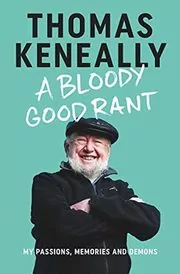
A Bloody Good Rant
by Thomas Keneally
2021
Part memoir, part essay collection, this book lets Keneally reflect on Australia, politics, faith, family, ageing, and death with wit, warmth, and impatience for cant.

Corporal Hitler's Pistol
by Thomas Keneally
2021
A relic linked to Hitler passes through ordinary hands in this darkly ironic historical novel. Keneally uses the object to ask how war's symbols keep haunting the people who survive it.

Alison's Conviction
by Thomas Keneally
2022
A young woman faces judgment from law and society in a historical story about punishment, resilience, and the stubborn effort to claim a life of her own.
Where to start with Thomas Keneally
If you want the book he's best known for: Schindler's List
If you want classic Australian historical fiction: The Chant of Jimmie Blacksmith → Bring Larks And Heroes → A River Town
If you want war stories with strong emotional pull: The Daughters of Mars → Shame and the Captives → The Widow and Her Hero
If you want nonfiction and big history: Searching for Schindler → A Commonwealth of Thieves → The Great Shame → A Short History
If you want a later historical novel: Napoleon's Last Island → The Dickens Boy → The Book of Science and Antiquities
Thomas Keneally sub-series and character series
The Monsarrat Mystery books in order
Explore this seriesThe Monsarrat Mystery books in chronological order
Thomas Keneally collections, short stories, and related book types
Short Stories/Novellas
Children's Books
Non-Fiction
Standalone Thomas Keneally books
Author bio
Thomas Keneally was born in Sydney on October 7, 1935, but his family roots and his earliest memories reach back to Kempsey in New South Wales. Later the family settled in Homebush, in Sydney's inner west, and that mix of suburb, small-town memory, Irish Catholic background, and wartime Australia would stay with him for life.
As a young man he entered St Patrick's Seminary at Manly and trained for the priesthood. He became a deacon, then left before ordination after a severe depression. That experience never really left his work either. Questions of conscience, authority, guilt, mercy, and rebellion keep surfacing in his novels.
He taught school in Sydney, worked other jobs, and started writing seriously in the early 1960s. His first published story appeared in The Bulletin under the name Bernard Coyle, and his first novel, The Place at Whitton, arrived in 1964. Around then he stopped being 'Mick' in print and became Thomas Keneally.
The early books already show the range he would become known for. Bring Larks and Heroes and Three Cheers for the Paraclete grew out of colonial history and Catholic life. The Chant of Jimmie Blacksmith brought him a much wider audience with its fierce story of an Aboriginal man trapped between cultures and brutalized by white Australia.
History is never just scenery in a Keneally book.
Again and again, he looks for the person caught in the middle of big events. In Gossip from the Forest he turned the 1918 armistice talks into tense human drama, and in Confederates he moved to the American Civil War. Later nonfiction like A Commonwealth of Thieves, The Great Shame, and the Australians histories showed the same instinct, find the lives inside the grand narrative.
His best-known book began with chance. In 1980 he met Poldek Pfefferberg, a Holocaust survivor, who introduced him to the story of Oskar Schindler and opened up a trove of papers and memories. The result was Schindler's Ark, later published in many places as Schindler's List. It won the Booker Prize in 1982, and the film adaptation brought the story to an even bigger audience.
But he never stayed in one lane for long. He has written about nurses in the First World War in The Daughters of Mars, revolution and migration in The People's Train, Charles Dickens's son in The Dickens Boy, and the abuse crisis in the Catholic Church in Crimes of the Father. Whether the setting is colonial Australia, wartime Europe, or modern Sydney, he tends to come back to the same pressure points, people asked to choose between comfort and conscience.
He has also written memoir, including Homebush Boy and the later reflections collected in A Bloody Good Rant. In public life he served as the founding chair of the Australian Republic Movement in the early 1990s, and he has long been frank about politics, faith, and national identity.
He kept writing.
Keneally married Judy Martin, a nurse, in 1965, and they had two daughters. He has spent much of his life in Sydney, while carrying Kempsey, Homebush, the seminary, the bush, and the rough edges of Australian history into his books. Readers often come to him for the big subjects, war, nationhood, belief, injustice, but stay because he writes about them through people who feel recognizably human, fallible, funny, stubborn, and brave in ordinary ways.





Edited by
Software engineer whose passion for tracking book recommendations from podcasts inspired the creation of MRB.
Lead investor at 3one4 Capital whose startup expertise and love for books helped shape MRB and its growth.
Comments
Did we miss something? Have feedback?
Help us improve this page by sharing your thoughts