
Theodore Roosevelt (Author) Books in Order
Theodore Roosevelt (Author) is a series of 29 books written by Theodore Roosevelt.
Here, you can see them all in order! (publication year included)
Last updated: 29 new books added
As an Amazon Associate, we earn from qualifying purchases (at no extra cost to you).
Theodore Roosevelt (Author) books in publication order
29 books
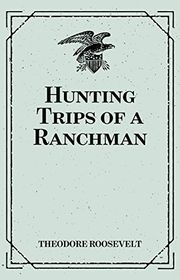
Hunting Trips of a Ranchman
by Theodore Roosevelt
1885
Roosevelt recounts hunting expeditions and ranch life in the Dakota Badlands, including a pursuit of a grizzly in the Bighorn Mountains. Observations of landscapes, animals, and daily work offer a personal portrait of the western frontier.
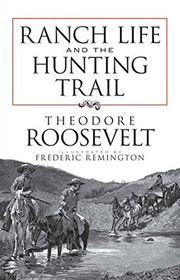
Ranch Life and the Hunting Trail
by Theodore Roosevelt
1888
Roosevelt describes cattle ranching, hunting, and outdoor life on the western frontier. Accounts of difficult rides, wildlife encounters, and ranch work combine with Frederic Remington’s illustrations to portray the independence and hardships of life on the plains.
American Big-Game Hunting
by Theodore Roosevelt
1893
Edited by Roosevelt and George Bird Grinnell, this collection gathers Boone and Crockett Club members’ hunting accounts. Encounters with pronghorn, mountain goats, buffalo, and grizzlies document nineteenth-century outdoor experience and the club’s emerging conservation interests.
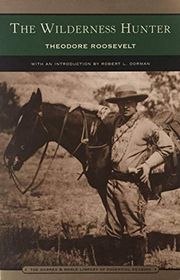
The Wilderness Hunter
by Theodore Roosevelt
1893
Roosevelt recounts encounters with North American game animals and the landscapes they inhabit, with particular attention to grizzly bears. His hunting experiences combine descriptions of frontier life with close observations of wildlife and the western wilderness.
Hero Tales from American History
by Theodore Roosevelt
1895
Roosevelt and Henry Cabot Lodge recount episodes from American history through figures such as Washington, Daniel Boone, and Lincoln. Their stories emphasize courage, public service, and sacrifice, presenting historical examples intended to shape younger readers’ ideals.
Hunting in Many Lands
by Theodore Roosevelt
1895
Edited by Roosevelt and George Bird Grinnell, this collection recounts hunting journeys across several continents. Accounts of wildlife and field adventures sit alongside the Boone and Crockett Club’s work protecting Yellowstone and documenting big game.
The Strenuous Life
by Theodore Roosevelt
1899
Roosevelt’s essays and speeches argue for meeting hardship with effort and public responsibility. Moving through citizenship, politics, military readiness, and character, the collection connects individual conduct with his vision of a stronger American nation.
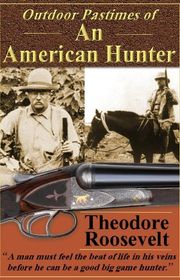
Outdoor Pastimes of an American Hunter
by Theodore Roosevelt
1905
Roosevelt recounts hunting cougars, bears, and other wildlife while observing the landscapes and habits of American game. His outdoor experiences lead into reflections on wilderness reserves, Yellowstone, and the animals living near his own home.
Good Hunting
by Theodore Roosevelt
1907
Roosevelt describes pursuing big game in the American West, combining firsthand hunting adventures with observations of wildlife and frontier landscapes. His account brings together the interests of a sportsman, naturalist, and conservationist exploring the wilderness.
The Roosevelt Policy, Volume 2
by Theodore Roosevelt
1908
This volume collects Roosevelt’s public arguments about civic responsibility, education, and national life. His reflections on supervised recreation and athletics connect children’s physical development with public policy, democratic character, and the responsibilities of a healthy society.
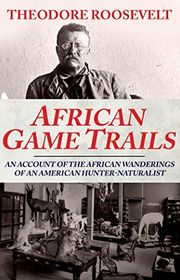
African Game Trails
by Theodore Roosevelt
1910
Roosevelt recounts the East African expedition he undertook with his son Kermit, collecting specimens for American museums. Hunting episodes accompany observations of animals, plants, and people, tracing the practical challenges and discoveries of life on safari.
American Problems
by Theodore Roosevelt
1910
Roosevelt considers America’s responsibilities abroad, questioning whether international guarantees suit societies with different political conditions. His essays address public problems through arguments about government, national obligations, and the limits of applying a single policy to every country.
The New Nationalism
by Theodore Roosevelt
1910
These speeches present Roosevelt’s political thinking before his renewed campaign for the presidency. Together they explore the progressive ideas and public responsibilities that shaped his position during the debates leading up to the election of 1912.
The Conservation of Womanhood and Childhood
by Theodore Roosevelt
1912
Roosevelt addresses the circumstances of women and children through questions of labor, protection, and social responsibility. This short work brings women’s concerns and child labor into a discussion of the laws governing their working lives.
History as Literature and Other Essays
by Theodore Roosevelt
1913
Roosevelt explores the relationship between historical scholarship, imaginative writing, and public life. These essays argue that rigorous research and vivid expression can work together, while examining literature, science, citizenship, and the cultural responsibilities of a democracy.
Progressive Principles
by Theodore Roosevelt
1913
Selections from Roosevelt’s presidential campaign addresses set out the ideas behind his Progressive movement. The collection connects electoral arguments with questions of political power, social reform, and the public responsibilities he urged Americans to take seriously.
Theodore Roosevelt: An Autobiography
by Theodore Roosevelt
1913
Roosevelt recounts his childhood, western ranching, military service, and rise through public office to the presidency. Personal memories accompany his account of political reforms, conservation, and the experiences that shaped his approach to national leadership.
Through the Brazilian Wilderness
by Theodore Roosevelt
1914
Roosevelt joins his son Kermit and explorer Cândido Rondon to chart Brazil’s River of Doubt. Dangerous rapids, illness, and lost supplies test the expedition as its members document the wildlife and terrain of a remote region.
America and the World War
by Theodore Roosevelt
1915
Roosevelt reflects on the outbreak of war in Europe and the destruction of confidence in modern civilization. He examines the shock of ordinary lives overturned as familiar routines give way to organized violence on an enormous scale.
A Book-Lover's Holidays in the Open
by Theodore Roosevelt
1916
Roosevelt combines outdoor adventures with his enthusiasm for reading, describing journeys through places including the Grand Canyon and the Andes. He considers how demanding encounters with nature and the companionship of books can enrich a holiday.
National Strength and International Duty
by Theodore Roosevelt
1917
Roosevelt argues that national security depends on preparation, trained citizens, and responsible leadership. Linking strength at home with duties abroad, he urges a younger generation to confront the practical demands of war and public service.
The Foes Of Our Own Household
by Theodore Roosevelt
1917
The Great Adventure
by Theodore Roosevelt
1918
Roosevelt reflects on courage, duty, and sacrifice, arguing that individual lives belong to a larger national and human story. These wartime studies examine what people owe a shared cause when personal safety conflicts with public responsibility.
Theodore Roosevelt's Letters to His Children
by Theodore Roosevelt
1919
Roosevelt’s letters follow his children from early childhood toward adulthood, maintaining family ties across war, travel, and school separations. Personal anecdotes and playful illustrations reveal a father sharing his experiences while remaining attentive to their lives.
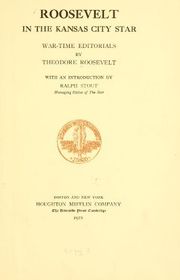
Roosevelt in the Kansas City Star
by Theodore Roosevelt
1921
Roosevelt’s wartime newspaper essays examine America’s participation in the First World War and challenge the government’s preparations. Collected from the Kansas City Star, they trace his arguments about national duty, military readiness, and public leadership.
Essays on Practical Politics
by Theodore Roosevelt
Drawing on political experience in New York, Roosevelt examines state legislation and the machinery of city politics. His essays consider how organized power operates and the practical difficulties citizens and reformers face when challenging entrenched political control.
Fear God and Take Your Own Part
by Theodore Roosevelt
Roosevelt presents the principles of American conduct he says guided his decades in public life. His arguments connect responsibilities at home with obligations beyond the nation’s borders, framing political action through his understanding of Americanism.
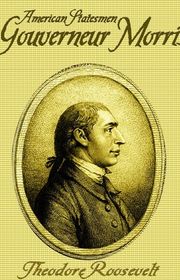
Gouverneur Morris
by Theodore Roosevelt
Roosevelt examines the life of Gouverneur Morris, a prominent figure in the making of the Constitution. Drawing on Morris’s writings, he challenges earlier biographical praise and seeks a more direct account of the statesman’s character.
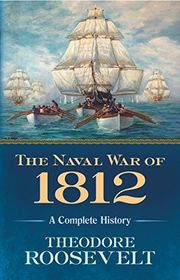
The Naval War of 1812
by Theodore Roosevelt
Roosevelt analyzes naval combat between Britain and the United States, weighing the ships, crews, and decisions on both sides. A chronological account of ocean and lake campaigns places the fighting within its political and military setting.










Edited by
Software engineer whose passion for tracking book recommendations from podcasts inspired the creation of MRB.
Lead investor at 3one4 Capital whose startup expertise and love for books helped shape MRB and its growth.
Comments
Spotted a missing book, a wrong order or a mistake? Tell us and we'll fix this page.
We're a reading guide, not the author or publisher, so we can't send books or pass on messages.