
The Vaiden Trilogy Books in Order
Part ofTS Stribling Books in OrderSee The Vaiden Trilogy by TS Stribling in order, with short summaries, series background, and a quick guide to the best place to start.
Last updated:
As an Amazon Associate, we earn from qualifying purchases (at no extra cost to you).
The Vaiden Trilogy books in publication order
3 books
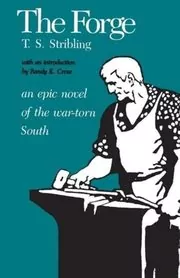
The Forge
by TS Stribling
1931
Set in north Alabama during the Civil War and its aftermath, this first Vaiden novel follows Miltiades Vaiden, neighboring families, and formerly enslaved people as the old order breaks apart. It is big-canvas Southern history with sharp social edges.
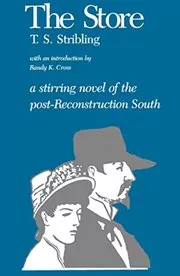
The Store
by TS Stribling
1932
Milt Vaiden claws his way into business power in post-Reconstruction Florence, turning trade, debt, and local politics into weapons. The Pulitzer-winning middle volume shows how greed and ambition reshape a town.

Unfinished Cathedral
by TS Stribling
1934
In boom-era Florence, religion, money, and public image become tightly tangled as the Vaiden story moves into the 1920s. Jerry Catlin and an aging Milt Vaiden stand at the center of a town chasing grandeur and losing its balance.
The Vaiden Trilogy books in chronological order
Series background & context
The Vaiden Trilogy is where TS Stribling goes big. Across The Forge, The Store, and Unfinished Cathedral, he follows the same north Alabama world from the Civil War to the boom years of the 1920s. These books are not built around a single neat plot. They work more like a long social chronicle, watching families, townspeople, and old power structures shift under pressure.
At the center of much of the trilogy is Miltiades Vaiden, usually called Milt. He begins as a Confederate officer and former plantation overseer, a man who comes from poor white roots but wants money, status, and control. He is not an easy hero, and Stribling does not try to make him one. What makes him important is that he embodies a change in the South. The old planter class is weakening, and men like Milt, ambitious, restless, and morally flexible, see a chance to climb.
The Forge starts during the war and follows the wreckage that comes after it. Plantation life breaks down. Formerly enslaved people are trying to claim lives of their own. White families who thought the old order would last forever discover that it will not. By the time The Store takes over, the fight is less about battlefields than about trade, debt, credit, local reputation, and who gets to run the town. In Unfinished Cathedral, the story moves into a newer South full of boom talk, public image, church-building, and old hatreds dressed in modern clothes. You also start to see younger figures, especially Jerry Catlin, trying to live with the moral mess the older generation leaves behind.
Stribling keeps the pressure on.
Florence, Alabama, or a close fictional version of it, matters as much as any one character. This is not a misty, romantic South. It is a place of stores, banks, farms, churches, gossip, and deals made in back rooms. The setting lets Stribling track how power moves from plantations to merchants, boosters, and local political operators. Race is central to that story. So are class, religion, and the stubborn gap between public respectability and private motive. That is one reason the trilogy still feels alive.
Readers should know what kind of books these are. They are sprawling, blunt, and often satirical. They also use period language and directly portray the racism and white supremacy of the society they are examining. Read in order, the trilogy gives a full picture of how Stribling saw the South changing, not cleanly and not nobly, but through money, fear, appetite, and the endless human wish to come out on top.







Edited by
Software engineer whose passion for tracking book recommendations from podcasts inspired the creation of MRB.
Lead investor at 3one4 Capital whose startup expertise and love for books helped shape MRB and its growth.
Comments
Did we miss something? Have feedback?
Help us improve this page by sharing your thoughts