
The Sixties Trilogy Books in Order
Part ofDeborah Wiles Books in OrderSee the Sixties Trilogy by Deborah Wiles in order, with short summaries, historical context, and where-to-start help for these documentary novels.
Last updated:
As an Amazon Associate, we earn from qualifying purchases (at no extra cost to you).
The Sixties Trilogy books in publication order
3 books
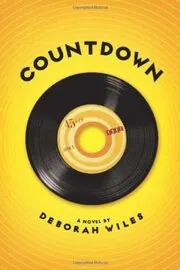
Countdown
by Deborah Wiles
2010
In 1962, Franny Chapman is living near Washington, D.C., while the Cuban Missile Crisis pushes the whole country toward panic. She has to navigate nuclear fear, family tension, and the uneasy work of growing up.
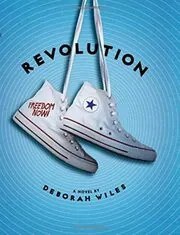
Revolution
by Deborah Wiles
2014
It's Freedom Summer, 1964, and Sunny Fairchild's Mississippi town is filling with new people, new pressure, and new questions. As her family shifts around her, the fight over voting rights becomes impossible to ignore.
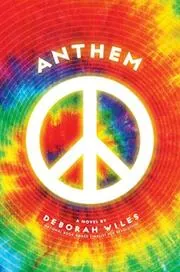
Anthem
by Deborah Wiles
2019
In 1969, Molly and her cousin Norman take an old school bus across the country after Molly's brother is drafted and has to be found. Their trip becomes a moving portrait of war, music, and a divided America.
The Sixties Trilogy books in chronological order
Series background & context
Deborah Wiles's Sixties books are historical novels, but they don't feel distant or formal. They drop you right into the middle of ordinary family life while the country is changing fast around the characters. The trilogy moves through three key years, 1962, 1964, and 1969, and each book follows a different young person trying to make sense of fear, conflict, and change.
What makes this series stand out is its documentary format. Alongside the fiction, Wiles weaves in photographs, headlines, advertisements, speeches, and songs from the period. The result feels a bit like reading a novel and flipping through a scrapbook at the same time. The history is not there as decoration. It keeps pressing on the characters' lives, shaping what they worry about, what they notice, and what they can no longer ignore.
Countdown begins the trilogy in the shadow of the Cuban Missile Crisis. Franny Chapman lives near Washington, D.C., and the fear of nuclear war hangs over everything, from school drills to neighborhood talk to tension at home. At the same time, Franny is still dealing with the smaller, sharper problems of being eleven: family friction, uncertainty, and the feeling that adults know more than they are saying.
The Cold War comes right into the living room.
Revolution shifts to Greenwood, Mississippi, in the summer of 1964. Sunny Fairchild is dealing with changes inside her own family just as Freedom Summer brings voter registration drives, outside volunteers, and rising racial tension to town. Wiles keeps the focus on what this moment feels like for a child who is close enough to events to be changed by them, but too young to control what the adults and institutions around her are doing.
Then Anthem carries the story of the decade into 1969. Molly and her older cousin Norman travel across the country in an old school bus after Molly's brother Barry is drafted and has to be found. That road trip opens the series outward. The Vietnam War, protest culture, regional differences, and music all become part of the journey, and the cousins slowly see a wider, messier America than the one they started with.
Music keeps the wheels turning.
These books are best for readers who want history with a strong emotional core. The trilogy is serious, but it is not dry. Wiles is interested in how national events land inside one household, one friendship, one argument, one child at a time. Read in order, the books show a country changing across the decade, and young people learning, sometimes painfully, how to see it clearly.











Edited by
Software engineer whose passion for tracking book recommendations from podcasts inspired the creation of MRB.
Lead investor at 3one4 Capital whose startup expertise and love for books helped shape MRB and its growth.
Comments
Did we miss something? Have feedback?
Help us improve this page by sharing your thoughts