
The Siege (Helen Dunmore) Books in Order
Part ofHelen Dunmore Books in OrderSee The Siege books by Helen Dunmore in order, with short summaries, historical background, and clear where-to-start help for this Leningrad sequence.
Last updated:
As an Amazon Associate, we earn from qualifying purchases (at no extra cost to you).
The Siege (Helen Dunmore) books in publication order
2 books
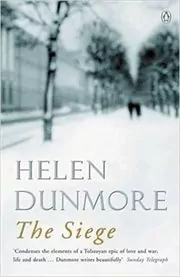
The Siege
by Helen Dunmore
2001
As Hitler's forces close around Leningrad, the Levin family and their friends face hunger, cold, and fear inside the trapped city. It is a war novel about survival measured one day, and one ration, at a time.
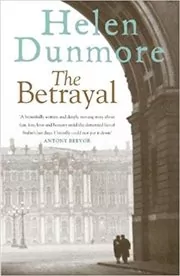
The Betrayal
by Helen Dunmore
2010
In 1952 Leningrad, doctor Andrei and his wife Anna try to live quietly under Stalin until a secret police officer's child is brought to him. One act of duty pulls the family into a deadly web of fear.
The Siege (Helen Dunmore) books in chronological order
Series background & context
Helen Dunmore's The Siege books are a compact historical sequence rather than a sprawling war saga. The two novels, The Siege and The Betrayal, stay close to ordinary people living through extraordinary pressure in Soviet Russia. The first is set during the encirclement of Leningrad in 1941. The second moves on to 1952, when the war is over but fear has not gone away.
What makes these books memorable is how intimate they are.
In The Siege, Dunmore brings the blockade down to the level of rooms, queues, rations, and bodies. The city is starving and freezing. Families burn furniture to keep warm, cling to scraps of routine, and try to protect one another while the world outside collapses. The story follows the Levin family and the people around them, including Anna and those closest to her, as love, duty, and simple survival become tangled together. This is not a battlefield novel built around generals and strategies. It is a novel about what war does inside kitchens, stairwells, hospital wards, and exhausted minds.
That focus carries straight into The Betrayal, but the danger changes shape. Leningrad is rebuilding, and on the surface life looks calmer. Anna and the young doctor Andrei are trying to make a home, do their jobs, and care for the people who depend on them. But Stalin's final years are full of suspicion, informers, and quiet terror. When Andrei is drawn into the orbit of a powerful secret police officer, the family's private life becomes exposed to a system that can destroy people without warning.
Peace does not bring safety.
Across both books, the continuing story is less about plot twists than about endurance. Dunmore is interested in what people owe one another when everything is being stripped away, and in how compromise can feel both shameful and necessary. Hunger, cold, grief, and political fear are all part of the pressure, but so are tenderness, desire, and loyalty. Characters are rarely offered clean choices. They have to decide what can be saved, what can be hidden, and what kind of person they can still bear to be.
The tone is sober, tense, and deeply human. If you like historical fiction that pays close attention to daily life, emotional fallout, and the moral cost of survival, this series is a strong place to start. Read the books in order, beginning with The Siege and then moving to The Betrayal, because the second novel gains much of its force from what the characters have already endured.











Edited by
Software engineer whose passion for tracking book recommendations from podcasts inspired the creation of MRB.
Lead investor at 3one4 Capital whose startup expertise and love for books helped shape MRB and its growth.
Comments
Did we miss something? Have feedback?
Help us improve this page by sharing your thoughts