
The Khorasan Archives Books in Order
Part ofAusma Zehanat Khan Books in OrderSee The Khorasan Archives books by Ausma Zehanat Khan in order, with summaries, reading order, series background, and tips on where to start.
Last updated:
As an Amazon Associate, we earn from qualifying purchases (at no extra cost to you).
The Khorasan Archives books in publication order
4 books
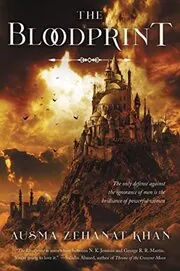
The Bloodprint
by Ausma Zehanat Khan
2017
In a land ruled by the brutal Talisman, warrior-scholars Arian and Sinnia search for a forbidden text that could break a patriarchal regime. It is epic fantasy built around resistance, magic, and the fight to protect knowledge.

The Black Khan
by Ausma Zehanat Khan
2018
The Bloodprint survived, but reaching it means entering Ashfall, seat of the Black Khan and a court thick with plots. Arian and Sinnia must reunite the resistance, survive shifting loyalties, and bargain with a ruler who has plans of his own.
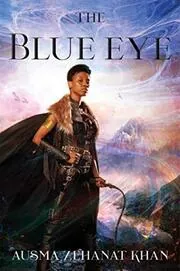
The Blue Eye
by Ausma Zehanat Khan
2019
Arian and the Companions of Hira keep hunting the Bloodprint, but a brutal setback leaves them scattered and unsure whom to trust. To keep the resistance alive, Arian must seek new allies in dangerous territory.
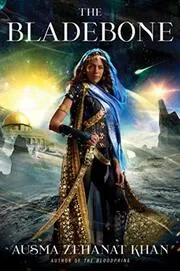
The Bladebone
by Ausma Zehanat Khan
2020
With the One-Eyed Preacher closing in on Ashfall, Arian, Sinnia, and their allies race to find the ancient weapon called the Bladebone. The finale raises the stakes to war, sacrifice, and a last stand against tyranny.
The Khorasan Archives books in chronological order
Series background & context
The Khorasan Archives is Ausma Zehanat Khan's epic fantasy quartet, and it is built around women, texts, and power. The series begins with The Bloodprint, where the land is threatened by the Talisman, a harsh patriarchal movement led by the One-Eyed Preacher. Standing against it are the Companions of Hira, women whose strength comes not just from swordsmanship but from learning, memory, and a form of sacred magic tied to words.
At the center are Arian and Sinnia, warriors, believers, and survivors who carry most of the series on their shoulders. They are not chosen-one figures drifting through a prophecy. They have training, scars, loyalties, and hard decisions to make. Their first great mission is to find the Bloodprint, a suppressed text that may hold the key to breaking the Talisman's grip. That gives the books a strong quest engine, but the story quickly opens into court politics, betrayals, shifting alliances, and siege warfare.
Books matter here.
So does language. The magic system, the Claim, is bound up with sacred words, which makes knowledge itself part of the struggle. This is one reason the series feels different from more standard secondary-world fantasy. The fight is not only about who controls armies or cities. It is also about who gets to read, teach, remember, interpret, and pass something on. Khan draws on Islamic history and culture in the worldbuilding, but the books still move with the pace of adventure fiction.
After The Bloodprint, the story widens in The Black Khan, where Ashfall's court becomes a nest of plots and uneasy bargains. The Blue Eye pushes the resistance into darker territory as allies splinter and trust grows thin. The Bladebone brings the quartet to a full-scale confrontation, with Arian, Sinnia, the Council of Hira, and the Mages of Khorasan trying to stop the Preacher before everything falls. Because each book builds directly on the last, this is very much a start-at-the-beginning series, and the main arc does reach a full ending.
What makes the books stick is the mix of scale and purpose. You get battles, chases, secret texts, dangerous rulers, and a vividly imagined world, but you also get a clear through line about women resisting systems built to silence them. The tone is high-stakes and political, with enough magic and intrigue to satisfy fantasy readers who want more than a simple good-versus-evil setup.
It is epic fantasy, but it never forgets what is being defended.













Edited by
Software engineer whose passion for tracking book recommendations from podcasts inspired the creation of MRB.
Lead investor at 3one4 Capital whose startup expertise and love for books helped shape MRB and its growth.
Comments
Did we miss something? Have feedback?
Help us improve this page by sharing your thoughts