
The Hamilton Trilogy Books in Order
Part ofCatherine Cookson Books in OrderExplore the Hamilton Trilogy books in order by Catherine Cookson, with short summaries, series background, reading order notes, and where to start.
Last updated:
As an Amazon Associate, we earn from qualifying purchases (at no extra cost to you).
The Hamilton Trilogy books in publication order
3 books
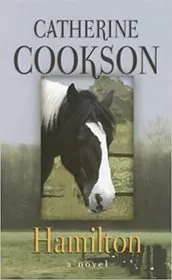
Hamilton
by Catherine Cookson
1983
Teenager Hamilton has spent years taking beatings in silence, until he can’t carry the truth anymore. As he begins to speak about his past, he starts to claim a life of his own, and learns how hard it is to trust after cruelty.
Goodbye Hamilton
by Catherine Cookson
1984
Hamilton is older now, but childhood violence still shapes every choice he makes. Trying to build a future means facing the memories he’s avoided, and deciding whether love and stability are possible for someone who’s learned to expect the worst.
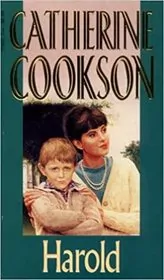
Harold
by Catherine Cookson
1985
Harold leaves home determined to find out who he is without his family’s pull. On the road he meets new work, new temptations, and people who see through him. The journey forces him to choose between running from his past, and finally owning it.
The Hamilton Trilogy books in chronological order
Series background & context
The Hamilton Trilogy is one of Catherine Cookson’s grittier, more inward-looking series. Instead of starting with romance or a big family tree, it begins with the damage done to a boy who has learned to survive by saying nothing. Across three books, the focus is on finding a voice, making a life, and figuring out what you can, and can’t, leave behind.
Hamilton introduces a teenage boy who has been bullied, beaten, and tormented, including at home. He has stayed silent for so long that speaking up feels almost impossible. The turning point comes when he decides he has to tell the truth about his past, and starts to talk, haltingly at first, then with more courage.
These books don’t flinch from what cruelty does to a child.
In Goodbye Hamilton, the story follows him into young adulthood. Time has passed, but trauma doesn’t keep to a timetable, and the question becomes whether Hamilton can build anything steady, friendship, love, work, when he’s still carrying the old fear in his body. The book’s tension comes from everyday moments: trust offered, trust refused, and the constant temptation to run.
One of the strengths of the trilogy is that recovery isn’t treated as a single breakthrough. Hamilton has to learn practical things too, how to earn money, how to live with other people, how to accept kindness without suspecting it. The people around him don’t always understand what he’s been through, and that misunderstanding becomes its own obstacle.
Harold shifts the centre of gravity to another young man who leaves home and tries to reinvent himself on the road. Harold is searching for freedom, but travel doesn’t erase who you are. New places, new jobs, and new relationships force him to look at the parts of himself he’d rather ignore, and to decide whether he’s escaping, or finally growing.
Taken together, the trilogy is a portrait of resilience. It’s not a cosy read, but it isn’t bleak for the sake of it either. Cookson writes with a plainspoken directness that keeps the focus on human behaviour, how people hurt each other, how they make amends, and how they sometimes manage to start again.
Read the three novels in order, Hamilton → Goodbye Hamilton → Harold, to get the full arc. If you like Cookson’s work when it leans into survival, recovery, and the slow work of becoming yourself, this trilogy is a strong fit.



Edited by
Software engineer whose passion for tracking book recommendations from podcasts inspired the creation of MRB.
Lead investor at 3one4 Capital whose startup expertise and love for books helped shape MRB and its growth.
Comments
Did we miss something? Have feedback?
Help us improve this page by sharing your thoughts