
The Great and Terrible Books in Order
Part ofChris Stewart Books in OrderFind The Great and Terrible series by Chris Stewart in order, with short summaries, series background, and guidance on where to start reading.
Last updated:
As an Amazon Associate, we earn from qualifying purchases (at no extra cost to you).
The Great and Terrible books in publication order
6 books
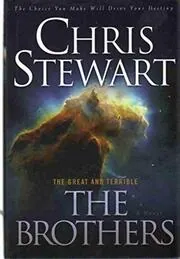
The Brothers
by Chris Stewart
2003
Before mortal life begins, brothers and sisters in heaven face a battle of loyalty, agency, and eternal consequence. This opening volume imagines the premortal conflict and sets the moral lines that will shape the series on earth.
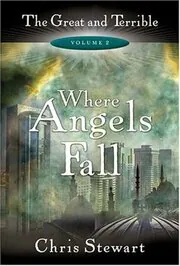
Where Angels Fall
by Chris Stewart
2004
The struggle between good and evil moves into mortal life as a child is born who may help change history. Elizabeth and her brothers face the first real tests of faith while political tension builds toward a larger conflict.
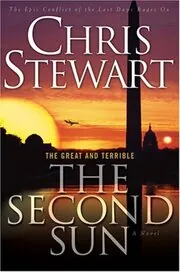
The Second Sun
by Chris Stewart
2005
Secret alliances, dark rumors, and looming war push a hidden plan into motion. As powerful men reach for control, a few of the Father’s most valiant servants begin taking their places in a struggle that is turning openly dangerous.
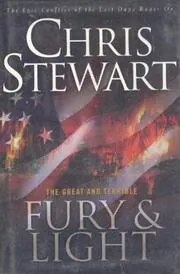
Fury & Light
by Chris Stewart
2007
After the attack on Washington, the Brighton family is scattered across a country in collapse. As King Abdullah prepares another strike, Sara, Sam, Luke, Ammon, and Azadeh fight to survive long enough to find each other again.
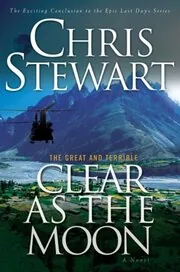
Clear as the Moon
by Chris Stewart
2008
With Washington shattered and an EMP attack crippling the country, rival powers move to seize control. Sara, Sam, Bono, and Azadeh face the endgame of a long spiritual and political war, where the Constitution and simple survival are both at stake.
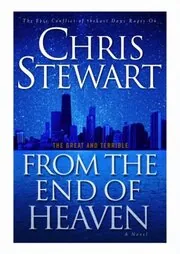
From the End of Heaven
by Chris Stewart
2008
Starvation, violence, and fear spread as American society keeps breaking down after the attacks. Sara, Sam, Bono, and Azadeh are pulled into separate missions that test loyalty and faith while the last stage of the conflict draws near.
The Great and Terrible books in chronological order
Series background & context
The Great and Terrible is Chris Stewart’s large-scale last-days saga, but it does not begin with bombs or presidents. It starts before mortal life, with a war in heaven and a set of brothers and a sister learning what loyalty, agency, and rebellion really mean. That opening gives the whole series its frame. When the action later moves to earth, the books keep asking the same question in different settings: when pressure rises, who do people become?
The family at the heart of the series is the Brightons. Sara Brighton, her sons Sam, Luke, and Ammon, and young Elizabeth are not treated like symbols so much as people who get scattered by events much bigger than themselves. Sam brings the military side of the story. Sara becomes tied to national leadership and the constitutional crisis that follows. Luke and Ammon carry much of the family tension, and Elizabeth matters because the series sees children as part of the struggle, not just bystanders. Azadeh Pahlavi and other characters widen the story into Iran, Saudi Arabia, Israel, and Washington.
The scale gets big in a hurry. There are secret alliances, intelligence briefings, palace politics, angelic and demonic influence, and eventually attacks that leave the United States reeling. Stewart uses his military background to make the hardware, procedures, and chain of command feel concrete, but the books are just as interested in the home front. Roads become dangerous. Food becomes uncertain. Rumors travel faster than truth. One of the more striking things about the series is how often the fate of a nation comes down to tired people making hard calls in kitchens, cars, bunkers, and back rooms.
It is sprawling on purpose.
Because the series runs across six fairly large books, it has room to do both sweep and aftermath. The early volumes build the spiritual framework and the political maneuvering. The middle books tip fully into catastrophe, with war, terror, and national collapse. The later books become survival fiction, constitutional drama, and rescue mission all at once. If you like tidy self-contained installments, this is probably not that. The six books read best as one long story, with each ending pushing straight into the next crisis.
The tone is earnest, intense, and very direct. Stewart is not aiming for ambiguity or literary coolness. He wants momentum, high stakes, and moral clarity. For some readers, the main draw is the spiritual lens, the idea that visible history is only part of the story. For others, it is the near-future thriller machinery, the military action, or the family thread that keeps the books human. Either way, the series is built to make readers imagine what faith, loyalty, and preparedness would look like if the last days stopped being an abstraction and turned into tomorrow morning.



Edited by
Software engineer whose passion for tracking book recommendations from podcasts inspired the creation of MRB.
Lead investor at 3one4 Capital whose startup expertise and love for books helped shape MRB and its growth.
Comments
Did we miss something? Have feedback?
Help us improve this page by sharing your thoughts