
The Genesis Fleet Books in Order
Part ofJohn G Hemry Books in OrderSee The Genesis Fleet books in order by John G Hemry, with short summaries, prequel context, and guidance on where to start this colony-war trilogy.
Last updated:
As an Amazon Associate, we earn from qualifying purchases (at no extra cost to you).
The Genesis Fleet books in publication order
3 books
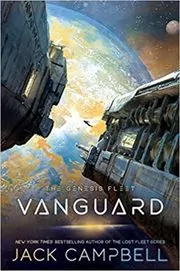
Vanguard
by John G Hemry
2017
In the early days of interstellar colonization, the world of Glenlyon is forced to defend itself with almost nothing. Young Rob Geary and former Marine Mele Darcy become central to a fight that could shape humanity's future.
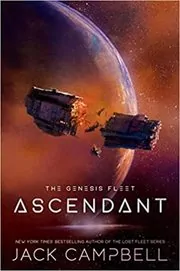
Ascendant
by John G Hemry
2018
Years after Glenlyon's first defense, Rob Geary and Mele Darcy face blockade, invasion, and a risky mission to safeguard diplomacy. One bold move may be the only way to keep several colonies free.
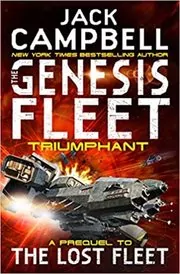
Triumphant
by John G Hemry
2019
Glenlyon has learned that standing alone is not enough, but helping its neighbors has made it a target. Rob Geary, Mele Darcy, Carmen Ochoa, and Lochan Nakamura race to keep a young coalition alive.
The Genesis Fleet books in chronological order
Series background & context
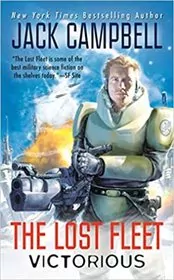
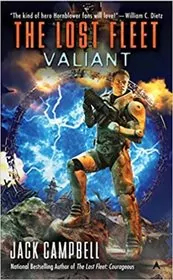
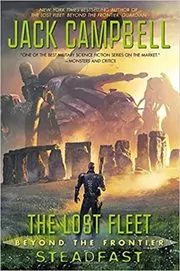
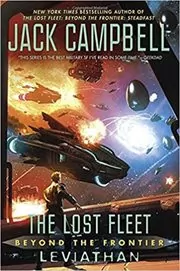
The Genesis Fleet goes back to the beginning of the Lost Fleet universe, before Black Jack Geary became a legend and before the Alliance hardened into the institution later readers already know. It is a prequel series, but it does not feel like homework. It feels like frontier science fiction, full of new colonies, improvised defenses, and the uneasy realization that Earth can no longer keep order across the distances it helped create.
That is the core problem from the start.
After faster-than-light travel opens the stars, humanity spreads fast. New worlds appear faster than stable rules can reach them. On Glenlyon, that breakdown becomes immediate when outside powers threaten the colony and the people on it have to decide whether they can defend themselves. Young Rob Geary, former Marine Mele Darcy, Carmen Ochoa, and Lochan Nakamura become key figures because they are willing to act while larger systems hesitate.
What makes this trilogy work is that the stakes feel both intimate and foundational. A colony losing one ship or one orbital facility can be the difference between endurance and collapse. Political arguments are not abstract. They determine whether anyone shows up to help. The series keeps asking what a mutual defense system should look like before it has history, habits, or legitimacy on its side.
So while there are plenty of battles, the appeal is not only military. It is about origins. You get to see how worlds learn that isolation will not save them, how alliances start from fear as much as idealism, and how the Geary line first enters the long story that later becomes myth. Hemry is good at that kind of institutional prehistory. He makes it feel like people making the least bad decision available, not destiny unfolding because a prequel requires it.
The tone is a little rougher and more vulnerable than the main Lost Fleet books. Ships are scarcer. Colonies are smaller. Mistakes hit harder because there is less redundancy built into the world.
If you want the Lost Fleet universe from the ground up, this is the series to pick.
It is especially good for readers who enjoy colony defense, early interstellar politics, and stories where the big future depends on a handful of people refusing to wait for someone else to fix the problem.


Edited by
Software engineer whose passion for tracking book recommendations from podcasts inspired the creation of MRB.
Lead investor at 3one4 Capital whose startup expertise and love for books helped shape MRB and its growth.
Comments
Did we miss something? Have feedback?
Help us improve this page by sharing your thoughts