
The First Law Books in Order
Part ofJoe Abercrombie Books in OrderComplete details on The First Law books by Joe Abercrombie, the debut grimdark trilogy that redefined the genre.
Last updated:
As an Amazon Associate, we earn from qualifying purchases (at no extra cost to you).
The First Law books in publication order
5 books
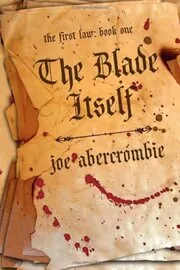
The Blade Itself
by Joe Abercrombie
2006
Logen Ninefingers is a barbarian out of luck; Sand dan Glokta is a torturer who hates everyone. When a wizard summons them to the capital, their lives collide in a web of conspiracies that reveals the dark underbelly of a fantasy empire.
Recommended by
1 person Joel McHale recommended this book
Joel McHale
"Magical in how he creates a world out of nothing and characters so well drawn that you’ll think Joe takes trips to this magical place and interviews these people." - Joel McHale
Joel McHale's recommendation of this book
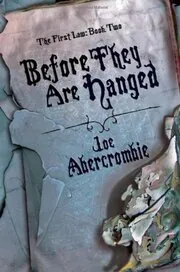
Before They Are Hanged
by Joe Abercrombie
2007
Glokta defends a city under siege, while Bayaz leads Logen and Jezal on a dangerous journey to the edge of the world. They seek a weapon to save the Union, but the hardest battles are the ones fought within their own group.
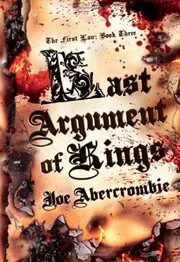
Last Argument of Kings
by Joe Abercrombie
2008
The King is dying, the peasants are revolting, and the Northmen are invading. As Bayaz's grand plan comes to a head, Logen, Glokta, and Jezal discover that winning the war might be the easy part of surviving the peace.
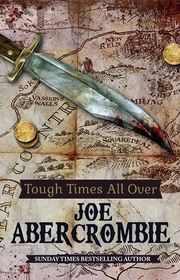
Tough Times All Over
by Joe Abercrombie
2014
In Sipani, a courier carrying a valuable package is robbed, setting off a chain of thefts, pursuits, and shifting alliances. This First Law World novelette follows the package through a fog-bound city where each new holder faces greater danger.
Two's Company
by Joe Abercrombie
2016
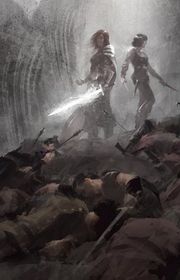
Lost in the North, Shevedieh and Javre find Cracknut Whirrun blocking a narrow bridge. With pursuers closing in on both sides, the thief must navigate the pride, rivalry, and imminent violence of two formidable warriors.
The First Law books in chronological order
Series background & context
Often cited as the gold standard for the "grimdark" subgenre, The First Law trilogy takes the traditional sword-and-sorcery template and drags it through the mud—in the best possible way. The story centers on The Union, a sprawling, industrialized empire that views itself as the pinnacle of civilization. Unfortunately, that civilization is rotting from the inside out. While armies gather in the frozen North and the burning South to tear the empire apart, the real danger often comes from the incompetence and arrogance of the men in charge.
What sets these books apart isn't the political maneuvering or the epic scope, though both are present. It is the decision to prioritize character over prophecy. You won't find farm boys destined to save the world here. Instead, you spend your time with a cast of deeply broken people who are often trying—and failing—to be better than they are. The narrative voice is incredibly close, putting you right inside their heads to hear every cynical thought, every moment of self-doubt, and every lie they tell themselves to get through the day.
You don't just watch the battles; you feel the fear, the exhaustion, and the sudden, unglamorous pain of a sword fight.
A prime example is the character of the inquisitor, who serves as one of the primary viewpoints. Once a dashing hero, he returns from war crippled and bitter, now tasked with torturing the truth out of suspected traitors. Through his eyes, we see the peeling paint of the Union’s glory. His internal monologue is a highlight of the series, offering a biting, sarcastic commentary that cuts through the pomp of the royal court. He is the perfect vessel for Abercrombie’s worldview: that the line between hero and villain is usually just a matter of who writes the history books.
Magic does exist in this world, but it isn't a tool for solving problems with a wave of a wand. It is wild, dangerous, and slowly leaking out of the world. Practitioners are rare, and using the Art takes a heavy physical toll. Because magic is so unreliable, the real power in the Circle of the World tends to come from more mundane sources: banking, bureaucracy, lying, and cold, hard steel.
Ultimately, this is a story about the stubbornness of human nature. It asks whether individuals or entire societies can ever truly change their ways, or if we are all doomed to repeat the same mistakes in a bloody circle. The answer isn't always comforting, but it is always honest.
If you are looking for clear-cut morality and happy endings, keep looking. But if you want a series that feels painfully, hilariously human, this is where you start.


Edited by
Software engineer whose passion for tracking book recommendations from podcasts inspired the creation of MRB.
Lead investor at 3one4 Capital whose startup expertise and love for books helped shape MRB and its growth.
Comments
Did we miss something? Have feedback?
Help us improve this page by sharing your thoughts