
The Fall of the Towers Books in Order
Part ofSamuel R Delany Books in OrderSee the Fall of the Towers books in order by Samuel R Delany, with summaries, series background, and a clear place to begin this science fantasy trilogy.
Last updated:
As an Amazon Associate, we earn from qualifying purchases (at no extra cost to you).
The Fall of the Towers books in publication order
3 books
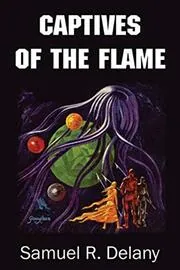
Captives of the Flame / Out of the Dead City
by Samuel R Delany
1963
In a future kingdom sealed off by a radioactive Barrier, escaped prisoner Jon Koshar is drawn into the kidnapping of a prince and a looming war. This edition connects Delany’s original novel with its later revised version.
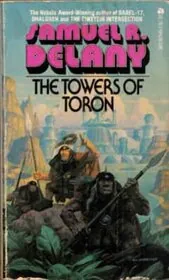
The Towers of Toron
by Samuel R Delany
1964
Toromon’s fragile order faces pressure from political plots, the mystery beyond its deadly Barrier, and threats its rulers barely understand. The second Fall of the Towers novel expands the conflict set in motion by Jon Koshar’s escape.
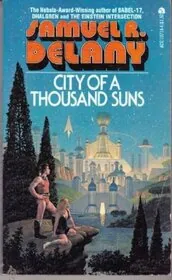
City of a Thousand Suns
by Samuel R Delany
1965
As Toromon prepares for a war beyond the Barrier, soldiers and rulers become caught in a conflict shaped by manipulation, technology, and fear. The final Fall of the Towers novel brings the trilogy’s strange political crisis to a head.
The Fall of the Towers books in chronological order
Series background & context
The Fall of the Towers is Samuel R. Delany’s early science fantasy trilogy, first published as Captives of the Flame, The Towers of Toron, and City of a Thousand Suns. The opening novel was later substantially revised and retitled Out of the Dead City, so editions can look a little confusing at first. This guide follows the trilogy as a connected three-book story.
The setting is Toromon, a damaged future society enclosed by a deadly radioactive Barrier. On one side are the capital, its royal family, its military, and its carefully managed stories about danger beyond the border. On the other are forests, ruined lands, and communities the rulers prefer to treat as alien or threatening. The world has the equipment and leftovers of advanced science, but it often feels closer to a mythic kingdom.
At the center of the first book is Jon Koshar, a young man shaped by confinement, flight, and a rare physical ability that lets him survive where others cannot. Around him, a kidnapped prince, political factions, telepaths, and people from beyond the Barrier are pulled into a crisis that could become a war. Delany lets several viewpoints overlap, so the reader sees how little the people in power actually understand about the world they claim to rule.
Nothing is quite as simple as the official version.
The next two novels widen the conflict. Toromon’s rulers, soldiers, and outsiders face the costs of fear, propaganda, and inherited power, while strange machines and psychic forces make the old order look less stable by the day. The books move quickly and have the lean, adventurous feel of early paperback science fiction, but they also show Delany beginning to test ideas he would return to for decades: identity, language, social rank, and the gap between what people experience and what they are told is true.
Readers should expect a blend of post-apocalyptic adventure, court intrigue, telepathy, and science-fictional mystery. The trilogy does not build its world through long technical explanations. Instead, it drops readers into a place of towers, mines, soldiers, forests, and dangerous borders, then lets the larger picture emerge through action.
Start with Captives of the Flame / Out of the Dead City, then continue directly to The Towers of Toron and City of a Thousand Suns. The books are short, and their plot threads carry forward, so reading them in order is the best way to follow Toromon’s uneasy struggle over who gets to define the future.
















Edited by
Software engineer whose passion for tracking book recommendations from podcasts inspired the creation of MRB.
Lead investor at 3one4 Capital whose startup expertise and love for books helped shape MRB and its growth.
Comments
Did we miss something? Have feedback?
Help us improve this page by sharing your thoughts