
The Carver Chronicles Books in Order
Part ofKaren English Books in OrderSee The Carver Chronicles by Karen English in order, with quick summaries, series background, and a simple guide to where to start and what to read next.
Last updated:
As an Amazon Associate, we earn from qualifying purchases (at no extra cost to you).
The Carver Chronicles books in publication order
6 books
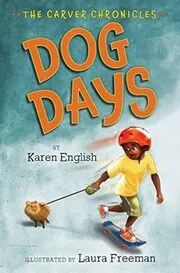
Dog Days
by Karen English
2013
New kid Gavin wants to fit in at school and impress his friend Richard, but one bad choice leads to a broken snow globe and a debt to his sister. Walking Aunt Myrtle's tiny dog becomes his unexpected punishment.
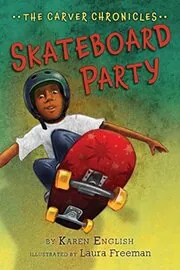
Skateboard Party
by Karen English
2014
Richard cannot wait for a birthday party at the skate park, but a note home from his teacher threatens everything. He keeps stalling instead of facing the truth, and the lie only grows trickier to manage.
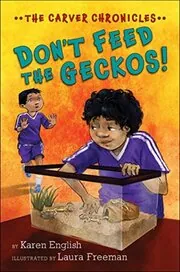
Don't Feed the Geckos!
by Karen English
2015
Carlos tries to welcome his cousin Bernardo, but it gets harder when Bernardo takes over his room, his routines, and even bothers his prized geckos. Family loyalty and frustration collide in this tense, funny school story.
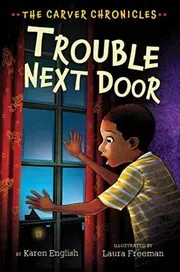
Trouble Next Door
by Karen English
2016
Calvin is upset when friendly neighbors move away and the biggest bully at Carver Elementary moves in next door. While working on the science fair, he learns that first impressions can hide a much more complicated story.
The New Kid
by Karen English
2017
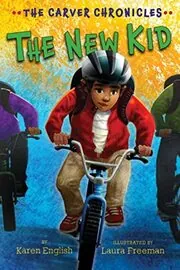
Gavin and his friends are not sure what to make of Khufu, the unusual new boy in class, especially when Gavin's bike goes missing. As tempers rise, Gavin has to decide whether his suspicions are fair.
Pizza Party
by Karen English
2018
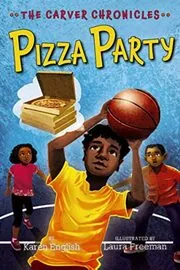
Richard's class is only days away from earning a pizza party when their teacher gets sick and a strict substitute takes over. Then suspicion of cheating spreads, and Richard must help save the celebration before it disappears.
The Carver Chronicles books in chronological order
Series background & context
The Carver Chronicles takes place in and around George Washington Carver Elementary, where school life spills right into neighborhood life. These are chapter books about third-grade boys in a diverse school community, but the real subject is the whole web around them, classmates, sisters, cousins, teachers, parents, and the problems that can feel huge when you are eight or nine.
The series does not stay with just one main character. Instead, Karen English moves the spotlight from boy to boy, so readers get to know the larger Carver community from different angles. Gavin arrives in Dog Days as the new kid, hoping to fit in without looking foolish. Richard takes center stage in Skateboard Party, where a hidden teacher note and a coming birthday party turn into a moral mess. Carlos gets his turn in Don't Feed the Geckos!, which mixes pets, cousins, and family stress into something both funny and tense.
That rotating structure is a big part of what makes the series work. Each book stands on its own, but together they build a fuller picture of the school. Friends drift in and out of the lead role. Teachers, especially Ms. Shelby-Ortiz, matter. So do older siblings, neighbors, and visiting relatives. The children are rarely dealing with giant fantasy quests or life-or-death danger. They are dealing with broken trust, embarrassment, fairness, jealousy, and the fear of getting in trouble.
Nothing here is world-ending, and that is exactly the point.
The later books keep widening the circle. In Trouble Next Door, Calvin has to face a new neighbor who already has a bad reputation at school, while also trying to make sense of a science fair project and what honesty really requires. The New Kid returns to Gavin and asks what happens when a new classmate seems strange, or suspicious, or easy to blame. Pizza Party shifts back to Richard, who just wants his class to hold on to a hard-earned reward after a strict substitute teacher arrives and throws everything off balance.
The setting matters. Carver Elementary is not just a backdrop, it is the place where home problems follow kids into class, where classroom drama comes back onto the block, and where friendships are built one ordinary day at a time. English keeps the stories grounded in homework, recess, pets, science projects, basketball, skateboards, cousins, and after-school routines. Laura Freeman's illustrations help give the books the loose, lively feeling of a real school story being told by someone who remembers exactly what it felt like.
The tone is warm, realistic, and often very funny, even when feelings get bruised. These books are great for newly independent readers who want short chapters and quick momentum, but they also have enough emotional weight to reward reading in order. If you like stories where children make mistakes, try to fix them, and slowly learn how other people are carrying troubles of their own, this is the kind of series to settle into.
Edited by
Software engineer whose passion for tracking book recommendations from podcasts inspired the creation of MRB.
Lead investor at 3one4 Capital whose startup expertise and love for books helped shape MRB and its growth.
Comments
Did we miss something? Have feedback?
Help us improve this page by sharing your thoughts