
The Alliance (Jolina Petersheim) Books in Order
Part ofJolina Petersheim Books in OrderSee The Alliance series by Jolina Petersheim in order, with short summaries, reading guidance, and background on this Mennonite post-apocalyptic story.
Last updated:
As an Amazon Associate, we earn from qualifying purchases (at no extra cost to you).
The Alliance (Jolina Petersheim) books in publication order
2 books
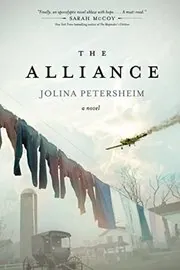
The Alliance
by Jolina Petersheim
2016
After a small plane crashes in Leora Ebersole’s Old Order Mennonite community, a sweeping blackout leaves outsiders stranded and danger closing in. To survive, pacifists and Englischers must work together, even as fear and conflicting beliefs pull them apart.
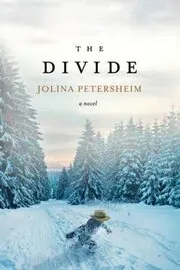
The Divide
by Jolina Petersheim
2017
Nearly six months after the power grid collapse, Leora’s Mennonite community is hiding in the mountains and still living with loss. As Moses resurfaces with a militia and new threats close in, faith, love, and survival collide.
The Alliance (Jolina Petersheim) books in chronological order
Series background & context
The Alliance books take a Plain-community story and place it inside a slow-moving collapse of the modern world. In The Alliance, Leora Ebersole sees a small plane crash in her Old Order Mennonite community in Montana just as power failures begin rippling far beyond her town. The injured pilot, Moses Hughes, is one of the first clues that this is not a local problem and that life is about to change for everyone.
What makes the setup work is that Leora’s community is unusually prepared in some ways and very exposed in others. They know how to grow food, work the land, and live with less. But they are also pacifists, and once outsiders realize the Mennonites have supplies, that belief is no longer a private conviction. It becomes a daily survival problem.
That tension powers the whole series.
Leora sits at the center, and she is not written as someone with easy answers. She cares about her people and the traditions that formed her, yet the crisis keeps pressing her to ask whether faith can stay passive when violence moves closer. Moses, the Englischer pilot, brings urgency, practical knowledge, and a very different way of seeing danger. Jabil Snyder, a patient man from the community who has long cared for Leora, offers steadiness and belonging, but also the weight of expectations she is not sure she can carry.
In The Alliance, much of the drama comes from uneasy cooperation. The Mennonites and the stranded outsiders need each other, so they build a fragile partnership around food, shelter, and protection. Petersheim keeps the focus close to daily life, chores, shortages, meetings, fear, and the question of who can be trusted, which makes the bigger disaster feel personal instead of abstract. The book has romance in it, but the deeper conflict is about belief under pressure.
The Divide picks up after that fragile life has already been broken again. Nearly six months later, the community is hiding in the mountains, winter is hard, resources are thin, and Moses has survived but ended up with a local militia. That widens the moral problem instead of solving it. The series now has to ask not only how people endure hunger and threat, but what happens when every available form of safety seems to ask for a compromise.
This is post-apocalyptic fiction, but it stays human-sized.
If you like stories driven by weapons, politics, and big battlefield strategy, these books lean quieter than that. Their real subjects are trust, pacifism, duty, love, and the push and pull between community rules and individual conscience. The Montana setting matters too, because the open land, isolation, and mountain refuge shape every decision. Expect suspense, yes, but also a lot of attention to work, weather, grief, and the stubborn hope that people might still choose mercy when the world gets mean.











Edited by
Software engineer whose passion for tracking book recommendations from podcasts inspired the creation of MRB.
Lead investor at 3one4 Capital whose startup expertise and love for books helped shape MRB and its growth.
Comments
Did we miss something? Have feedback?
Help us improve this page by sharing your thoughts