
Tennessee Williams Books in Order
Browse Tennessee Williams books and plays in order, with short summaries, career background, and practical advice on where to start reading next.
Last updated:
As an Amazon Associate, we earn from qualifying purchases (at no extra cost to you).
Tennessee Williams books in publication order
67 books
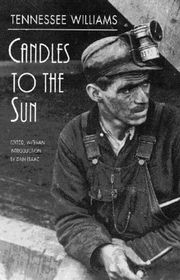
Candles to the Sun
by Tennessee Williams
1936
Set in an Alabama coal-mining town, this early full-length play follows workers and their families through a union struggle. It is rougher than the later classics, but the sympathy for ordinary people is already there.
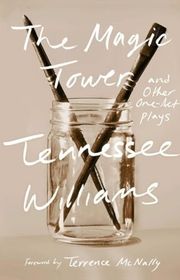
The Magic Tower
by Tennessee Williams
1936
This collection of early one-acts shows Williams trying on different tones and forms while already sounding like himself. Several pieces also point toward later masterpieces such as The Glass Menagerie and A Streetcar Named Desire.
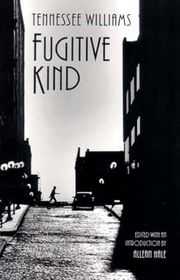
Fugitive Kind
by Tennessee Williams
1937
An early full-length play set in a shabby hotel, where drifters, drinkers, and a fugitive gangster throw several lonely lives off balance. You can see Williams working out themes of desire, entrapment, and escape.
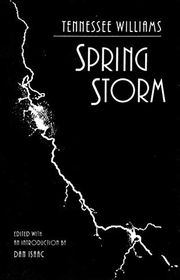
Spring Storm
by Tennessee Williams
1937
In a small Mississippi town, Heavenly Critchfield is torn between rough desire and safe respectability. This early play already has the tension Williams loved most, between what people want and what their world will allow.

The Palooka
by Tennessee Williams
1937
A brief early play about an aging boxer and a younger fighter meeting on the edge of a bout. Williams turns a sports setup into something sadder, about time, wear, and what ambition costs.
Battle of Angels
by Tennessee Williams
1940
Val Xavier, a wandering musician, arrives in a Southern town and stirs up desire, fear, and violence. This first version of Orpheus Descending is raw, ambitious, and full of Williams's feeling for dangerous outsiders.
27 Wagons Full of Cotton and Other Plays
by Tennessee Williams
1945
This one-act collection brings together short plays full of Southern heat, rivalry, comic menace, and frustrated longing. It is a strong entry point into the sharper, more concentrated side of Williams's theatre.
The Glass Menagerie
by Tennessee Williams
1945
Tom Wingfield remembers the cramped St. Louis apartment he shared with his mother Amanda and his fragile sister Laura. A planned visit from a gentleman caller turns their private hopes into quiet heartbreak.
A Streetcar Named Desire
by Tennessee Williams
1947
Blanche DuBois arrives in New Orleans hoping to hide from her past with her sister Stella. In Stella's small apartment, Blanche and Stanley Kowalski push each other toward one of the most brutal collisions in American drama.
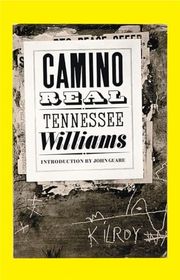
Camino Real
by Tennessee Williams
1948
Set in a dreamlike plaza crowded with legendary and broken figures, this play follows Kilroy through a world of barter, spectacle, and spiritual exhaustion. It is Williams at his most surreal and theatrical.
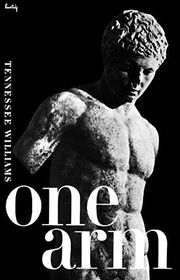
One Arm and Other Stories
by Tennessee Williams
1948
Williams's first story collection introduces hustlers, dreamers, drifters, and damaged romantics. The pieces range from tender to macabre, and already show the mix of pity, desire, and danger that marks his best drama.
Summer and Smoke
by Tennessee Williams
1948
Alma Winemiller, a minister's daughter in Mississippi, longs for connection with the neighboring doctor's son, John Buchanan. Their timing never matches, and the play turns that missed chance into a tender study of body and soul.
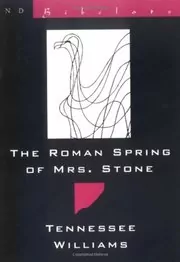
The Roman Spring of Mrs. Stone
by Tennessee Williams
1950
After her husband dies and her stage career fades, wealthy widow Karen Stone drifts through Rome and into an affair with a younger man. It is a sharp, sad novel about aging, loneliness, and self-deception.
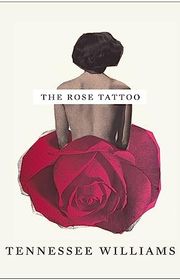
The Rose Tattoo
by Tennessee Williams
1951
Recently widowed Serafina Delle Rose clings fiercely to grief until a bluff, comic truck driver disrupts her mourning. The play mixes sorrow, appetite, and broad humor with unusual warmth.
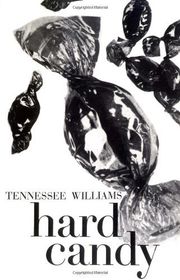
Hard Candy
by Tennessee Williams
1954
These stories are lean, strange, and often unsettling, with characters pushed by hunger, lust, pride, or shame. Williams uses short fiction to explore the same dangerous longings that drive his plays.
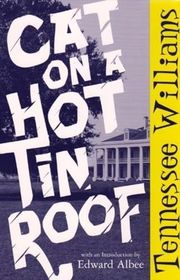
Cat on a Hot Tin Roof
by Tennessee Williams
1955
On a Mississippi estate, Maggie and Brick fight through a marriage poisoned by silence while Big Daddy's birthday brings family lies into the open. It is fierce, funny, and painfully direct about love and denial.
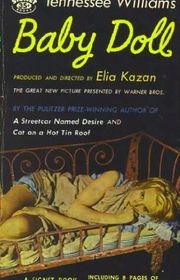
Baby Doll
by Tennessee Williams
1956
Baby Doll Meighan, a childlike young bride in the rural South, becomes the prize in a bitter feud between her husband Archie Lee and a rival cotton-gin owner. Williams turns comic provocation into a nasty little power struggle.
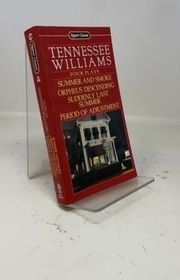
Four Plays
by Tennessee Williams
1956
This anthology gathers four of Williams's best-known dramas in one volume. It is a handy way to see how he returns to family tension, buried desire, and the hard collision between fantasy and reality.
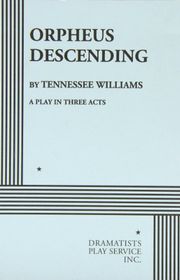
Orpheus Descending
by Tennessee Williams
1957
When guitar-playing drifter Val Xavier lands in a Mississippi Delta town, his presence awakens longing in several outcasts, especially Lady Torrance. Desire, racism, and small-town violence close in fast.
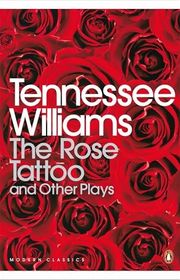
The Rose Tattoo and Other Plays
by Tennessee Williams
1957
A collection centered on one of Williams's warmest and earthiest plays, with companion dramas that deepen his interest in love, grief, and second chances. Good for readers who want more than the usual greatest hits.

A Perfect Analysis Given By a Parrot.
by Tennessee Williams
1958
A short late play in which two women head to a convention looking for diversion and self-renewal. Williams treats their chatter and vanity with comedy, but also with sympathy for loneliness.
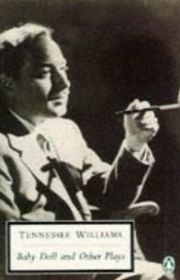
Baby Doll and Other Plays
by Tennessee Williams
1958
This volume pairs Baby Doll with related works that show Williams at his slyest and most provocative. Sex, power, jealousy, and small-town cruelty crackle through these pieces.
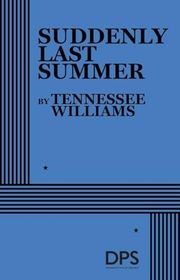
Suddenly Last Summer
by Tennessee Williams
1958
Catherine Holly knows what happened to her cousin Sebastian last summer, and his powerful mother wants that truth buried at any cost. The result is a compact, unnerving play about memory, repression, and control.
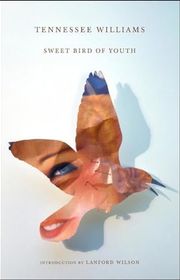
Sweet Bird of Youth
by Tennessee Williams
1959
Chance Wayne comes back to his hometown with fading actress Alexandra Del Lago and one last dream of fame. Past sins, local power, and lost youth make that return far more dangerous than he expects.
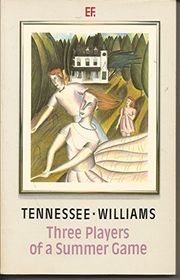
Three Players Of A Summer Game, And Other Stories
by Tennessee Williams
1960
These stories move through brittle marriages, fading gentility, and private disappointments in the American South. The title piece is especially strong on status games and quiet emotional damage.
Period of Adjustment
by Tennessee Williams
1961
Set on Christmas Eve, this lighter Williams play follows two troubled marriages under the same roof. Beneath the comedy, it is still about fear, intimacy, and the awkward work of growing up.

The Night of the Iguana
by Tennessee Williams
1961
Defrocked minister Shannon arrives at a shabby hotel on the Mexican coast already near breakdown. Over one long night, Maxine, Hannah, and the others force him to face the life he has been running from.
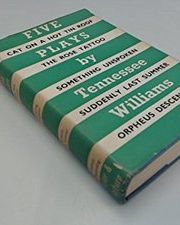
Five Plays
by Tennessee Williams
1962
Five major dramas collected in one volume, giving a broad look at Williams's range. Expect family conflict, erotic tension, sharp humor, and characters who cannot quite outrun the lives they have made.
The Milk Train Doesn't Stop Here Anymore
by Tennessee Williams
1963
Dying millionaire Flora Goforth lives high above the Mediterranean, surrounded by staff and stories, until a mysterious young visitor breaks through her routines. It is a play about wealth, fear, and the approach of death.
In the Winter of Cities
by Tennessee Williams
1964
This poetry collection lets readers meet Williams away from the stage, in a more intimate and lyrical register. The poems carry his familiar mix of loneliness, wit, sensuality, and bruised tenderness.
The Eccentricities of a Nightingale
by Tennessee Williams
1964
Williams revisits the emotional territory of Summer and Smoke in this later version of Alma Winemiller's story. The play sharpens her fragility, desire, and social unease in the small town of Glorious Hill.
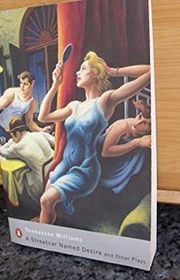
A Streetcar Named Desire and Other Plays
by Tennessee Williams
1965
This collection places Streetcar beside other major works, making it easy to read Williams at his most famous and his most versatile. A good choice if you want a compact core sampler.
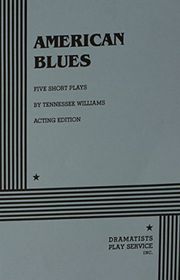
American Blues
by Tennessee Williams
1965
An early group of one-act plays set among working-class dreamers and outsiders during the Depression. Williams packs whole lives into brief scenes of hunger, longing, and thwarted escape.
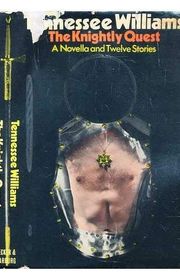
The Knightly Quest
by Tennessee Williams
1966
A novella and four stories that mix elegance with menace. Williams follows restless characters through desire, delusion, and sudden violence, always with an eye for the moment when a life tilts off balance.
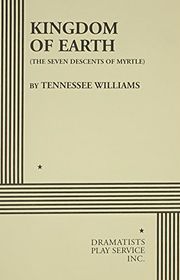
Kingdom of Earth
by Tennessee Williams
1968
Floodwaters rise around a decaying Mississippi shack as Myrtle, her sick companion Chicken, and his half-brother Lot fight over sex, property, and survival. It is one of Williams's harshest Southern Gothic plays.
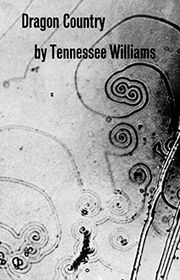
Dragon Country
by Tennessee Williams
1970
This collection of late plays is stranger, darker, and more experimental than the early classics. Pain, performance, and isolation sit at the center, with characters who seem half comic and half doomed.
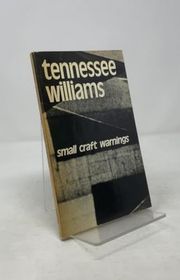
Small Craft Warnings
by Tennessee Williams
1972
At a seedy California bar called Monk's Place, a group of tired, needy regulars cling to one another through talk, drink, and fantasy. Williams gives each castoff a bruised dignity.
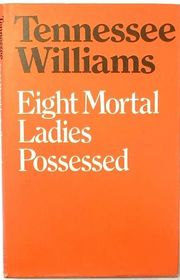
Eight Mortal Ladies Possessed
by Tennessee Williams
1974
A story collection full of women on the edge, bright surfaces, and buried desperation. Williams blends satire, tenderness, and unease in tales that can turn from funny to brutal in a few pages.
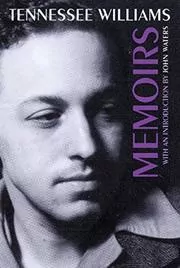
Memoirs
by Tennessee Williams
1975
Williams's autobiography is candid, messy, witty, and often startlingly direct. He writes about success, travel, sex, addiction, friends, and grief in a voice that feels less polished than lived in.
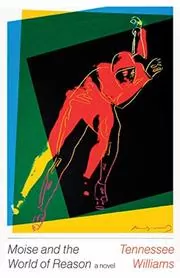
Moise and the World of Reason
by Tennessee Williams
1975
A young writer in 1970s New York is drawn into an uneasy triangle with Lance, a magnetic Black skater, and Moise, a baffling painter. Williams turns desire, need, and loneliness into something funny, bruised, and intimate.
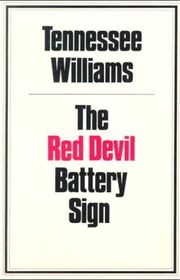
The Red Devil Battery Sign
by Tennessee Williams
1975
In a surreal Dallas haunted by corruption and conspiracy, an abused political wife and a dying former musician find a brief connection. This is late Williams, jagged, political, and feverish.
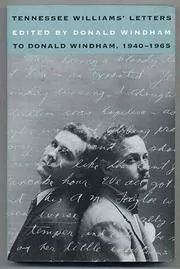
Tennessee Williams' Letters To Donald Windham, 1940 1965
by Tennessee Williams
1976
These letters to fellow writer Donald Windham track Williams from struggling young artist to major literary figure. They mix theatre gossip, travel, family pain, and bursts of sharp self-knowledge.
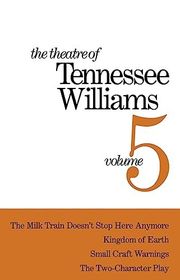
The Theatre of Tennessee Williams, volume 5
by Tennessee Williams
1976
Part of the collected theatre series, this volume presents later Williams plays with cast lists and production notes. It is useful for readers who want the texts in a broader career context.
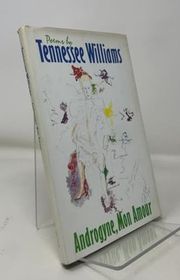
Androgyne, Mon Amour
by Tennessee Williams
1977
These late poems are open about desire, age, memory, and queer longing. The voice is playful at times, mournful at others, and unmistakably Williams from first line to last.
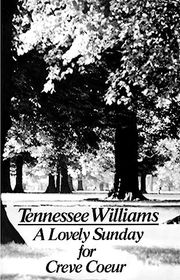
A Lovely Sunday for Creve Coeur
by Tennessee Williams
1979
In a St. Louis apartment during the 1930s, Dorothea waits for a call that could rescue her from disappointment, while her friends tug her in different directions. It is small-scale, funny, and quietly sad.
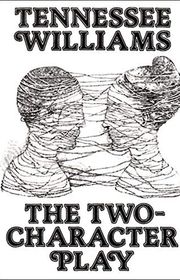
The Two-Character Play
by Tennessee Williams
1979
A brother and sister, abandoned by their troupe in a crumbling theatre, begin performing a play that may be their own life. Williams turns stage fright, memory, and family pain into a haunting hall of mirrors.
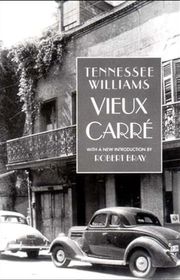
Vieux Carré
by Tennessee Williams
1979
A young writer lives in a rundown New Orleans boardinghouse surrounded by sick, hungry, theatrical, and lonely neighbors. The play is autobiographical, messy, funny, and full of tenderness for people near the edge.
Clothes for a Summer Hotel
by Tennessee Williams
1981
Williams imagines F. Scott Fitzgerald visiting Zelda at Highland Hospital, with flashbacks to their glamour and wreckage. The play treats celebrity marriage as a story of love, damage, and memory.
It Happened the Day the Sun Rose
by Tennessee Williams
1983
A later story collection that moves between realism and dream logic. Williams fills these pieces with vulnerable outsiders, erotic confusion, and the strange beauty of people living close to collapse.
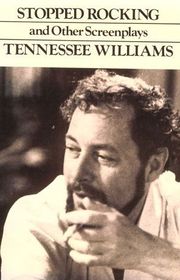
Stopped Rocking and Other Screenplays
by Tennessee Williams
1984
This volume gathers Williams's screen work, including more experimental pieces that depend on voice, image, and mood. It is a useful look at how his dramatic instincts changed when he wrote for film.
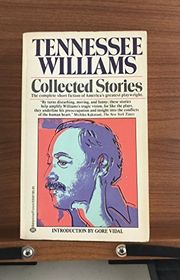
Collected Stories
by Tennessee Williams
1985
This big volume brings together Williams's story collections and additional uncollected work. Read straight through, it becomes its own shadow autobiography, full of desire, fear, comedy, cruelty, and grace.
Five O'Clock Angel
by Tennessee Williams
1990
This collection of letters to Maria St. Just offers an intimate view of Williams across more than three decades. Friendship, loneliness, work, and daily life all come through in a voice that can be funny one moment and wounded the next.
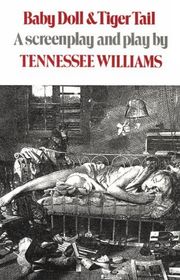
Baby Doll & Tiger Tail
by Tennessee Williams
1991
Here the original Baby Doll screenplay appears beside Tiger Tail, Williams's later stage version of the same material. Together they show how he kept reshaping a story of sexual bargaining, revenge, and humiliation.
The Long Goodbye
by Tennessee Williams
1992
This early one-act follows a young man as memory and present loss blur around his family home. Already, Williams is writing about leaving, guilt, and the pain of not being able to take everyone with you.
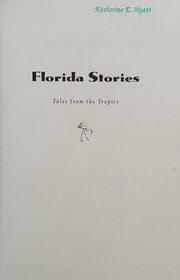
Florida Stories
by John Miller, Larry McMurtry, Dave Barry, Elmore Leonard, Ernest Hemingway, John D MacDonald, Damon Runyon, Isaac Bashevis Singer, Nathaniel Hawthorne, Stephen Crane, Zora Neale Hurston, Elizabeth Bishop, Tennessee Williams, Alison Lurie, Wallace Stevens, John Sayles, John James Audubon, Joy Williams, Joan Didion, Kirsten Miller & William Bartram
1993
Edited by John and Kirsten Miller, this literary collection brings together fiction and nonfiction set in Florida. Selections by writers including Joan Didion, Zora Neale Hurston, and Dave Barry offer varied perspectives on the state’s history, landscape, and cultural contradictions.
Something Cloudy, Something Clear
by Tennessee Williams
1995
Set in Provincetown in 1940 and written late in Williams's life, this autobiographical play revisits an early love affair. It is reflective, erotic, and alert to how memory edits the past.
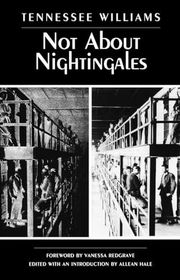
Not About Nightingales
by Tennessee Williams
1998
Set in a brutal Depression-era prison, this early full-length play follows inmates and staff through cruelty, resistance, and fear. It shows the young Williams as openly political as well as theatrical.
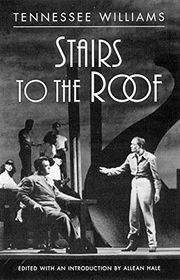
Stairs to the Roof
by Tennessee Williams
2000
A weary office worker rebels against the clock and the machinery of modern life in this unusually comic, hopeful early play. Fantasy and social criticism rise together as he tries to imagine a freer world.
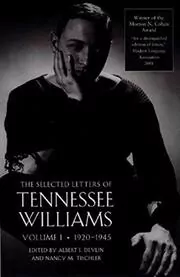
The Selected Letters of Tennessee Williams
by Tennessee Williams
2000
A carefully chosen selection of Williams's correspondence, this volume doubles as an unofficial autobiography. The letters show the working writer at full speed, wrestling with money, family, fame, travel, and the making of the plays.
The Collected Poems
by Tennessee Williams
2002
A comprehensive gathering of Williams's published and uncollected poems. It shows the poet behind the playwright, with the same ear for longing, bodies, beauty, and sudden emotional reversals.
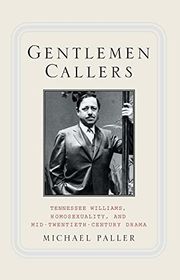
Gentlemen Callers
by Tennessee Williams
2005
This early Williams piece expands the Blue Mountain past behind The Glass Menagerie, following Amanda among suitors, expectations, and shaky choices. Fans of Menagerie will recognize the roots of later heartbreak.
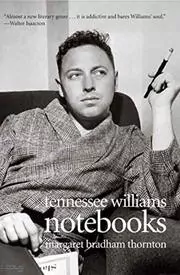
Notebooks
by Tennessee Williams
2007
Williams's notebooks gather private reflections, scraps of dialogue, sexual candor, travel notes, and early drafts. Together they show how closely his life and his art were always tangled.
Tales of Desire
by Tennessee Williams
2010
Five provocative stories chosen around the theme that obsessed Williams most. These are sharp, sensual, and often darkly funny pieces about attraction, appetite, and the trouble people make for one another.
Adam and Eve on a Ferry
by Tennessee Williams
2020
This short play turns a chance encounter into something whimsical, uneasy, and faintly absurd. Williams uses the enclosed setting to watch two strangers test fantasy against reality.
Summer At the Lake
by Tennessee Williams
2020
An early one-act about a family summer gathering where small talk hides disappointment and emotional strain. The quiet mood matters as much as the plot, and the ending lands with surprising ache.
The Fat Man's Wife
by Tennessee Williams
2020
A betrayed wife finds herself pushed toward revenge, or at least the appearance of it, after her husband's infidelity. Williams keeps the situation intimate, prickly, and sad rather than melodramatic.

Caterpillar Dogs
by Tennessee Williams
2023
Seven early stories, written before Williams became Tennessee, capture Depression-era lives in Missouri and the South. You can already hear the later writer in the sympathy he gives to eccentrics, strivers, and the quietly trapped.
Where to start with Tennessee Williams
If you want the essentials: The Glass Menagerie → A Streetcar Named Desire → Cat on a Hot Tin Roof
If you want romantic Southern drama: Summer and Smoke → The Rose Tattoo → Sweet Bird of Youth
If you want the later, stranger plays: The Night of the Iguana → Vieux Carré → The Two-Character Play
If you want prose and autobiography: The Roman Spring of Mrs. Stone → Collected Stories → Memoirs
Tennessee Williams collections, short stories, and related book types
Collections
Collection of Plays
Non-Fiction
Standalone Tennessee Williams books
by John Miller, Larry McMurtry, Dave Barry, Elmore Leonard, Ernest Hemingway, John D MacDonald, Damon Runyon, Isaac Bashevis Singer, Nathaniel Hawthorne, Stephen Crane, Zora Neale Hurston, Elizabeth Bishop, Tennessee Williams, Alison Lurie, Wallace Stevens, John Sayles, John James Audubon, Joy Williams, Joan Didion, Kirsten Miller & William Bartram
1993
Author bio
Tennessee Williams was born Thomas Lanier Williams in Columbus, Mississippi, in 1911. He spent much of his early childhood in Mississippi and Tennessee, close to his maternal grandparents, before his family moved to St. Louis in 1918. That move mattered. The softer, slower world he knew as a boy gave way to city life, family strain, and the kind of cramped domestic pressure that would later sit at the center of so many of his plays.
He grew up in a home marked by conflict, and he was especially close to his sister Rose. Her illness, and the damage it did to the whole family, stayed with him for life. Readers can feel those wounds all through his work, not as neat autobiography, but as recurring emotional weather. Fragile dreamers, overbearing parents, lonely siblings, sudden cruelty, and desperate tenderness all show up again and again.
He started writing young, and by the time he was in school in St. Louis he was already serious about it. He attended the University of Missouri, but his father pushed him to leave and take a job at the International Shoe Company in St. Louis. That stretch of routine work only sharpened his need to write. He later studied at Washington University in St. Louis and then at the University of Iowa, where he earned his degree in 1938.
Writing became the way out.
In the late 1930s he moved to New Orleans, a city that gave him freedom, material, and a new sense of self. Around this time he adopted the name Tennessee, a nickname he had picked up in college. His big break came when The Glass Menagerie opened in Chicago in 1944 and then moved to Broadway in 1945. After that came A Streetcar Named Desire, which won the Pulitzer Prize for Drama, then The Rose Tattoo, Cat on a Hot Tin Roof, Sweet Bird of Youth, and The Night of the Iguana. He also wrote fiction, poetry, essays, and memoir, including The Roman Spring of Mrs. Stone and Memoirs.
What readers tend to love in Williams is not polish for its own sake, but emotional exposure. He wrote people who are trying to hold themselves together when love, money, sex, class, memory, or family history keeps pulling them apart. His settings matter too. St. Louis, Mississippi, New Orleans, the Gulf South, hotel rooms, boardinghouses, shabby apartments, and hot porches all feel lived in. Even when his work turns surreal, it stays close to bodies, voices, and rooms.
He wrote about people who wanted tenderness and got fear, or wanted freedom and got a room they could not leave.
His work also changed over time. The famous middle period gave him the great stage successes, but the later writing became stranger, looser, and often more openly autobiographical. He kept returning to themes of desire, shame, loneliness, performance, and the thin line between illusion and survival. That is true in the late plays, in the stories, and in the poems.
Williams lived off and on in Key West for more than thirty years, and he kept writing across many forms for the rest of his life. He died in New York in 1983 and was buried in St. Louis. The career he left behind is huge, but even across that range, the voice is easy to recognize, compassionate, bruised, funny, and unafraid of people at their most exposed.












Edited by
Software engineer whose passion for tracking book recommendations from podcasts inspired the creation of MRB.
Lead investor at 3one4 Capital whose startup expertise and love for books helped shape MRB and its growth.
Comments
Did we miss something? Have feedback?
Help us improve this page by sharing your thoughts