
Tales of Texas Books in Order
Part ofElmer Kelton Books in OrderFind the Tales of Texas books by Elmer Kelton in order, with quick summaries, series background, and notes on where to begin.
Last updated:
As an Amazon Associate, we earn from qualifying purchases (at no extra cost to you).
Tales of Texas books in publication order
3 books
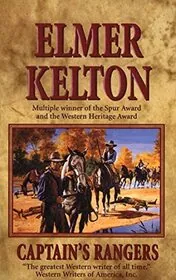
Captain's Rangers
by Elmer Kelton
1968
Captain L. H. McNelly enters the lawless Nueces Strip to stop raids, bushwhackers, and stolen horses. His methods are harsh, the hatred around him is deep, and peace never comes easy.
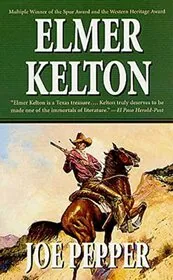
Joe Pepper
by Elmer Kelton
1975
On the eve of his hanging, outlaw Joe Pepper decides to tell his own story at last. His voice is sharp, funny, and unreliable enough to keep the truth shifting under every memory.
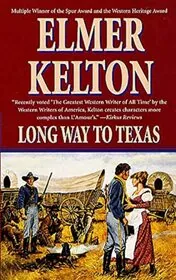
Long Way to Texas
by Elmer Kelton
1976
Lieutenant David Buckalew marches west with Confederate forces hoping to claim the Southwest. The journey becomes a brutal test of endurance, loyalty, and how far a cause can carry a man.
Tales of Texas books in chronological order
Series background & context
Tales of Texas is not a tightly linked saga with one central cast. It is better read as a small grouping of Texas stories that show two sides of the world Kelton knew so well: the side of the law trying to hold a violent country together, and the side of the outlaw trying to tell his own story before somebody else fixes it in print. That loose shape actually suits Kelton. He was always good at showing how the same state could produce very different kinds of men.
Captain's Rangers is the more openly historical of the pair. It drops readers into the Nueces Strip, where Captain L. H. McNelly is sent to deal with raids, theft, and long-burning hatred along the border country. The setting is rough, hot, and unstable, and Kelton does not hide the ugliness of it. The book is driven by law, force, and the question of how much harshness a man can use in the name of peace before peace starts to look like something else.
Joe Pepper works from a very different angle. Instead of following the lawman, it gives space to a condemned outlaw on the eve of execution. Joe gets to speak for himself, which means the novel is full of memory, swagger, half-truth, bitterness, and sly humor. Where Captain's Rangers looks outward at public order, Joe Pepper turns inward and asks who gets to control a western legend, the court, the newspapers, or the man about to hang.
Texas is the thread that ties them together.
Both books care about violence, reputation, and the gap between what happened and what people later say happened. Both also have that plainspoken Kelton rhythm, where a scene can carry a lot of moral weight without anyone stopping to preach. He is interested in codes, but he is even more interested in the people trying and failing to live by them.
Because the link is thematic rather than plot-based, readers can take these in either order. If you want frontier law and border conflict, begin with Captain's Rangers. If you want voice, irony, and a western told from the scaffold backward, start with Joe Pepper. Together they give a compact look at how flexible Kelton could be inside the western form.
So think of Tales of Texas less as a sequence and more as a pairing. The state is the main continuing character, and each book lights up a different corner of its history, its myths, and its uneasy ideas about justice.





Edited by
Software engineer whose passion for tracking book recommendations from podcasts inspired the creation of MRB.
Lead investor at 3one4 Capital whose startup expertise and love for books helped shape MRB and its growth.
Comments
Did we miss something? Have feedback?
Help us improve this page by sharing your thoughts