
Tales from the Wonder Zone Books in Order
Part ofJulie E Czerneda Books in OrderBrowse the Tales from the Wonder Zone books by Julie E Czerneda in order, with brief summaries, age-friendly background, and series notes.
Last updated:
As an Amazon Associate, we earn from qualifying purchases (at no extra cost to you).
Tales from the Wonder Zone books in publication order
5 books
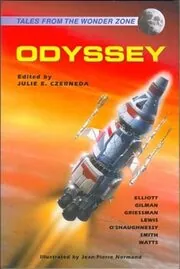
Odyssey
by Julie E Czerneda
2001
Another entry in the Wonder Zone anthologies, this volume centers on journeys, discovery, and science-infused adventure. It is designed to engage younger readers while opening the door to bigger questions about the world and beyond.
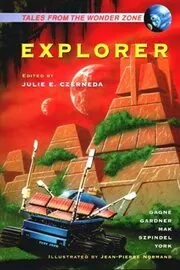
Explorer
by Julie E Czerneda
2002
This collection uses science fiction to spark curiosity about exploration and discovery. Written for younger readers, the stories turn scientific ideas into adventures that are easy to enter and fun to think about afterward.
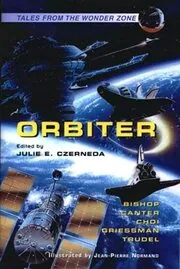
Orbiter
by Julie E Czerneda
2002
This anthology gathers science fiction stories around spaceflight and biology for younger readers. The adventures are varied, but the shared focus is on exploration, responsibility, and the surprises waiting beyond familiar ground.
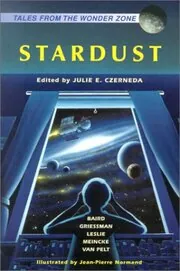
Stardust
by Julie E Czerneda
2002
A classroom-friendly science fiction anthology filled with alien skies, hidden dangers, and startling discoveries. These stories invite younger readers to look ahead, ask questions, and enjoy the thrill of the unexpected.
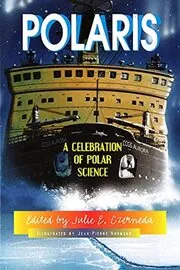
Polaris
by Julie E Czerneda
2007
This themed anthology uses science fiction to explore polar science, from climate and ice to survival and exploration. It brings together original stories that turn Earth's coldest regions into places of wonder, risk, and discovery.
Tales from the Wonder Zone books in chronological order
Series background & context
Tales from the Wonder Zone is a little different from Julie E Czerneda's novel series because it is not one continuing story with one cast. Instead, it is a linked set of science fiction anthologies designed to bring imagination and science together for younger readers, especially those in the middle-grade range. The books were created with classroom use in mind, but they are not dry lesson packages in disguise.
They are meant to be fun first.
That shows in the setup. Each volume gathers original stories by different writers and frames them around big scientific themes kids can grab hold of: stars, exploration, space travel, biology, journeys, polar science. Titles like Stardust, Explorer, Orbiter, and Odyssey announce the mood clearly. These are books about looking up, heading out, and asking what might happen next if science opened a new door.
Czerneda's role as editor matters a lot here. She came to these books not only as a fiction writer, but as someone deeply involved in science education. Her goal was to give teachers and students reader-friendly stories that could spark curiosity, open discussions, and connect speculative ideas to real scientific thinking. Some editions were supported by teacher resources, which helps explain why the series became useful in schools while still working as enjoyable anthologies on their own.
The tone shifts from story to story, which is part of the appeal. Some pieces lean adventurous, some reflective, some playful, some a little eerie. But the overall feeling is accessible and inviting. The science is taken seriously without becoming intimidating. Young readers are treated as capable of wrestling with big ideas, whether those ideas involve alien skies, distant travel, life in extreme environments, or the consequences of discovery.
Polaris is especially notable within the set because it focuses on polar science, bringing together fiction about ice, climate, exploration, survival, and the search for knowledge at Earth's extremes and beyond. It fits the same mission as the earlier volumes while showing how flexible the concept could be.
So what ties the series together if not recurring characters? Curiosity. These books are built on the belief that science fiction can make readers ask better questions about the real world. They encourage wonder without talking down to the audience, and they make room for science to feel exciting, strange, and creative. If you are looking at this page, think of Tales from the Wonder Zone as Czerneda's bridge between storytelling and science education, a set of anthologies meant to send younger readers toward both books and questions with equal enthusiasm.
Edited by
Software engineer whose passion for tracking book recommendations from podcasts inspired the creation of MRB.
Lead investor at 3one4 Capital whose startup expertise and love for books helped shape MRB and its growth.
Comments
Did we miss something? Have feedback?
Help us improve this page by sharing your thoughts