
Susan Coolidge Books in Order
Explore Susan Coolidge books in order, with quick summaries, Katy series notes, standalone titles, and simple advice on where to start reading.
Last updated:
As an Amazon Associate, we earn from qualifying purchases (at no extra cost to you).
Susan Coolidge books in publication order
30 books
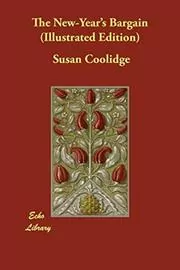
The New-Year's Bargain
by Susan Coolidge
1871
In a snowy Black Forest cottage, Max and Thekla strike a magical bargain with Father Time and the twelve months. Each visit brings a new story, turning the book into a playful chain of fairy tales and lessons.
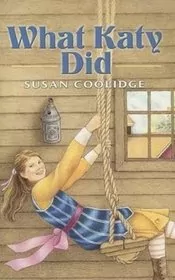
What Katy Did
by Susan Coolidge
1872
Tomboyish twelve-year-old Katy Carr dreams of doing something grand in her Ohio home. After a terrible accident leaves her bedridden, she has to learn patience, kindness, and a very different kind of courage.
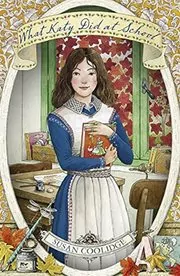
What Katy Did at School
by Susan Coolidge
1873
Restless after years at home, Katy and Clover are sent to a strict boarding school in Hillsover. New friends, school rules, and one painful injustice test Katy's temper and the sisters' loyalty.

Mischief's Thanksgiving
by Susan Coolidge
1874
A collection of children's stories built around home life, holidays, and little everyday upsets. The title piece brings warmth and comic trouble, while the other tales mix sweetness, mischief, and gentle lessons.

Nine Little Goslings
by Susan Coolidge
1875
This collection gathers nine stories about children, families, and the small troubles that feel enormous when you're young. Some tales are funny, some tender, but all watch closely as children learn kindness and self-command.

For Summer Afternoons
by Susan Coolidge
1876
A leisurely collection meant for unhurried reading, with stories and sketches suited to long quiet hours. It carries the same domestic warmth and child-centered charm that run through much of Coolidge's shorter fiction.
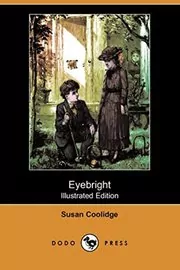
Eyebright
by Susan Coolidge
1879
Bright-eyed Eyebright is full of imagination, mischief, and stubborn good cheer. When family hardship and a move to a lonely island change her days, she has to meet loneliness and responsibility without losing her spark.
The Diary and Letters of Frances Burney
by Susan Coolidge
1879
As editor, Susan Coolidge presents selections from Frances Burney's journals and correspondence. The volume opens a vivid window onto literary life, court life, and the sharp observations of one of the eighteenth century's great diarists.
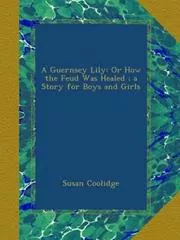
A Guernsey Lily
by Susan Coolidge
1880
Sent to Guernsey to live with relatives, young Lily arrives in the middle of an old family feud. Her warmth and honesty slowly soften long-set grudges in this gentle story about reconciliation and belonging.

Verses
by Susan Coolidge
1880
A poetry collection that ranges from light occasional poems to more reflective pieces. It shows the lyrical side of Susan Coolidge alongside the warm, accessible tone readers know from her fiction.

Little Tommy Tucker
by Susan Coolidge
1881
Susan Coolidge takes the familiar nursery-rhyme name and spins it into a fuller children's story. It has the light, playful feel of an old-fashioned tale, with a small hero at its center and everyday trouble turned into adventure.

A Little Country Girl
by Susan Coolidge
1885
Shy Candace Arden leaves her quiet Connecticut home for a summer with richer cousins in Newport. The trip brings new manners, new expectations, and a tender coming-of-age story about keeping hold of your true self.
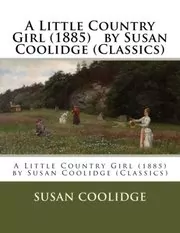
A Little Country Girlby Susan Coolidge
by Susan Coolidge
1885
Shy Candace Arden leaves her quiet Connecticut home for a summer with richer cousins in Newport. The trip brings new manners, new expectations, and a tender coming-of-age story about keeping hold of your true self.
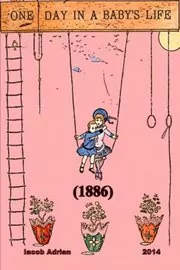
One Day in a Baby's Life
by Susan Coolidge
1886
A very small book with a very small subject, this follows the rhythms, discoveries, and comforts of a baby's ordinary day. Feeding, play, and bedtime become a warm portrait for young readers and grown-ups alike.
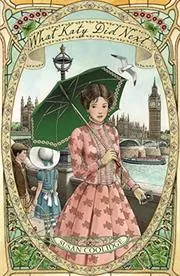
What Katy Did Next
by Susan Coolidge
1886
When family friends invite Katy to Europe, she leaves Burnet for steamers, pensions, and a much bigger world. Travel brings delight and freedom, but it also asks her to imagine the kind of adult life she wants.
A Short History of the City of Philadelphia from Its Foundation to the Present Time
by Susan Coolidge
1887
Coolidge steps away from fiction here to trace Philadelphia from its founding forward in a clear, readable historical sketch. It is a concise introduction to the city's people, milestones, and growth.
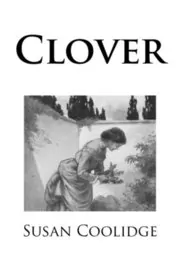
Clover
by Susan Coolidge
1888
With Katy married, Clover steps into the foreground as change ripples through the Carr family. A journey west to Colorado opens new friendships, new responsibilities, and the possibility of love.
Just Sixteen
by Susan Coolidge
1889
This is a story collection rather than a single novel, gathering tales about girls, families, work, and small moral crossroads. The pieces range from domestic comedy to fairy tale, all with Coolidge's gentle eye for character.

Two Girls
by Susan Coolidge
1889
A late Susan Coolidge novel about two girls whose friendship and contrasting temperaments shape the story. It stays close to the everyday pressures of growing up, where small decisions matter just as much as dramatic ones.

In The High Valley
by Susan Coolidge
1890
This final Katy book shifts to Colorado, where family life, ranch work, and mountain landscapes shape a new chapter. As old friends and new arrivals build lives together, love, illness, and home-making come to the front.
The Day's Message
by Susan Coolidge
1890
A reflective volume arranged for daily reading, blending scripture, poems, and short passages of comfort. It feels less like a storybook than a companion for quiet moments throughout the year.

A Few More Verses
by Susan Coolidge
1892
A companion volume to *Verses*, this gathers more poems in the same readable, graceful mode. The pieces vary in mood, but stay close to home, memory, faith, and everyday feeling.

A Round Dozen
by Susan Coolidge
1892
Thirteen stories, despite the title, move between fairy tale, family story, and moral sketch. Snowy cottages, children in trouble, and flashes of wonder give the whole collection a cozy, fireside storytelling feel.

Rhymes and Ballads for Girls and Boys
by Susan Coolidge
1892
Here Coolidge writes directly for younger readers, mixing playful rhymes with story-like ballads. The collection is lively and musical, with a strong storytelling streak throughout.

The Barberry Bush
by Susan Coolidge
1893
The title story follows Barbara Allen, called Barberry, as family illness and money troubles leave her with an old house to save. The rest of the book adds more stories about girls meeting practical trouble with courage and imagination.
Not Quite Eighteen
by Susan Coolidge
1894
Another short-story collection, this one follows children and teenagers through tests of judgment, luck, and character. The tone stays light on its feet, but the stories keep asking how young people learn to act well.
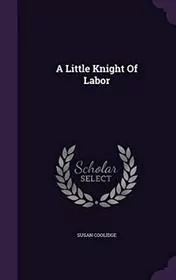
A Little Knight of Labor
by Susan Coolidge
1899
After her mother's death, Georgie Talcott faces the blunt question of how to support herself. It is a compact, sympathetic story about work, pride, and a young woman's determination to stand on her own.
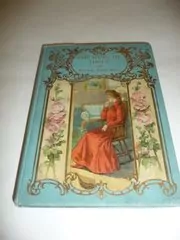
The Rule of Three
by Susan Coolidge
1904
Amy, Sophy, and Margaret Grenell have never been much use at running their father's household. When he announces a remarriage, the three sisters are forced to grow up fast and rethink the selfish routines they took for granted.

A Sheaf of Stories
by Susan Coolidge
1906
Published posthumously, this gathers a final bundle of Susan Coolidge's shorter fiction. The stories stay close to children, households, and moral turning points, with the same easy warmth that marks her earlier collections.

Last Verses
by Susan Coolidge
1906
Published after Coolidge's death, this final poetry collection gathers later poems shaped by tenderness, faith, and memory. It feels quieter and more reflective than her earlier verse books.
Where to start with Susan Coolidge
If you want her best-known classic: What Katy Did → What Katy Did at School → What Katy Did Next
If you want the full Carr family story: What Katy Did → What Katy Did at School → What Katy Did Next → Clover → In The High Valley
If you want a gentle standalone: The New-Year's Bargain → A Little Country Girl
If you want short story collections: Just Sixteen → Not Quite Eighteen → A Sheaf of Stories
Susan Coolidge sub-series and character series
Susan Coolidge collections, short stories, and related book types
Collections
Non-Fiction
A Short History of the City of Philadelphia from Its Foundation to the Present Time
by Susan Coolidge
1887
Standalone Susan Coolidge books
Author bio
Susan Coolidge was the pen name of Sarah Chauncey Woolsey, who was born in Cleveland, Ohio, on January 29, 1835. She came from the large Dwight family, a clan with deep New England roots, and after a move in 1852 she spent much of her youth in New Haven, Connecticut.
Books, conversation, and a strong sense of duty were part of the world she grew up in.
She was educated at private schools, including a girls' school in Hanover, New Hampshire. During the Civil War she worked as a nurse in military hospitals, which gave her a close view of suffering, discipline, and the plain hard work of helping people day after day. That practical streak never really left her, and it helps explain why even her gentlest books usually keep one foot planted firmly in real life.
She had written magazine pieces before then, but the years after the war pushed her more firmly toward authorship. She also formed a lasting friendship with Helen Hunt Jackson, who encouraged her writing. After her father's death in 1870, Woolsey traveled in Europe and then settled with her family in Newport, Rhode Island. When she published The New-Year's Bargain in 1872, she used the name Susan Coolidge, and she kept that pen name for the rest of her career.
Then came What Katy Did.
That book, also published in 1872, introduced Katy Carr, an untidy, impulsive girl who longs to be beautiful and beloved and has to learn, through pain and patience, what goodness really looks like. Readers took to Katy at once. Coolidge followed her with What Katy Did at School and What Katy Did Next, and later widened the family story in Clover and In The High Valley. The Carr children were loosely modeled on her own family, which helps explain the easy, lived-in feeling of the series.
What makes her work last is not just plot. Coolidge understood family weather: teasing, remorse, small loyalties, household routines, the way a child's day can be wrecked by one sharp word and repaired by one kind one. Standalones such as Eyebright, A Little Country Girl, and A Guernsey Lily show the same interest in spirited girls, social awkwardness, work, illness, travel, and the slow business of growing up. Even when the books are teaching something, they usually stay close to ordinary life instead of drifting off into sermon mode.
She also wrote poetry and did editorial work. Her books include Verses and A Few More Verses, and she edited The Diary and Letters of Frances Burney. That mix of fiction, verse, and editorial work makes her look less like the author of one famous classic and more like a steady working writer with wide tastes. She never married, and Newport remained her home for the rest of her life.
She died there on April 9, 1905. Her books belong to the nineteenth century, but the girls inside them still worry about things that do not age much at all: being liked, being useful, being brave, and finding out who they are when nobody hands them a neat answer.










Edited by
Software engineer whose passion for tracking book recommendations from podcasts inspired the creation of MRB.
Lead investor at 3one4 Capital whose startup expertise and love for books helped shape MRB and its growth.
Comments
Did we miss something? Have feedback?
Help us improve this page by sharing your thoughts