
Susan Chase Books in Order
Part ofSteve Brown Books in OrderSee the Susan Chase series by Steve Brown in order, with short summaries, reading order help, series background, and an easy place to start.
Last updated:
As an Amazon Associate, we earn from qualifying purchases (at no extra cost to you).
Susan Chase books in publication order
7 books

Color Her Dead
by Steve Brown
1999
Myrtle Beach lifeguard and runaway finder Susan Chase agrees to look for a missing young woman and quickly walks into a murder case. What starts as a reluctant favor turns into a dangerous hunt through the Grand Strand.
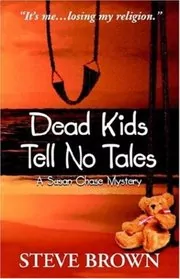
Dead Kids Tell No Tales / Color Me Guilty
by Steve Brown
2000
A missing child and a dead mother pull Susan Chase into one of her most personal cases. The trail leads toward a babysitter with a chilling history, and every answer makes the disappearance feel darker.

Stripped to Kill / Color Me Gone
by Steve Brown
2000
When two strippers vanish after protesting a topless club, Susan Chase goes looking for them, and one of the missing women is her friend. The search drags her into club politics, bad boyfriends, and real danger.
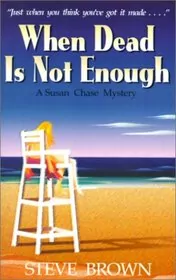
When Dead is Not Enough / Color Me A Killer
by Steve Brown
2001
Now working in state law enforcement, Susan Chase faces a serial killer operating along the beach. The case pushes the series into darker territory as bodies mount and the coast stops feeling safe.
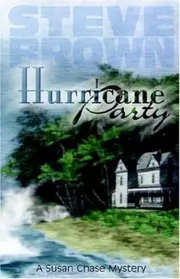
Hurricane Party / Color Me Evil
by Steve Brown
2002
Susan and her fiance attend a strange hurricane party in a Victorian beach house, where talk of magic gives way to illness and murder. Trapped by weather and suspicion, she has to work out who wanted the gathering to turn deadly.

Sanctuary of Evil
by Steve Brown
2003
An explosion tears through the Grand Strand and shakes loose a secret tied to Susan Chase's own life. Brown mixes personal fallout with a fresh mystery as Susan tries to understand what was lost and why.

The Charleston Ripper
by Steve Brown
2007
A modern-day killer is stalking tourists through Charleston's historic district, and the old-city setting only sharpens the menace. Brown borrows the shadow of Jack the Ripper for a Southern thriller with a local twist.
Susan Chase books in chronological order
Series background & context
At the center of the Susan Chase books is a heroine who feels tied to her setting from page one. Susan Chase starts out as a Myrtle Beach lifeguard with a side reputation for finding runaways and missing people. As the series moves on, her work grows more formal and the crimes get heavier, but the basic appeal stays the same. Susan is stubborn, local, sharp-tongued, and not especially interested in backing off once a case starts to smell wrong.
The Grand Strand does a lot of the work here. These books lean hard into beach-town contrast, bright tourist surfaces on top, danger and resentment underneath. Brown uses clubs, rental houses, storms, marinas, old beach properties, and the constant mix of visitors and locals to keep the stories moving. The coast is not just scenery. It shapes the pressure in every book.
Most of Susan's cases begin with something that seems almost manageable. A missing woman. Two vanished dancers. A child who disappeared after a crash. A strange invitation to a hurricane party. Then the scale shifts. What looked like a favor or a side job opens into murder, serial violence, predators, and people with more money or power than Susan has. She does not solve problems from a safe chair. She walks straight into them.
That gives the series a tougher feel than a cozy mystery, even though there is plenty of local color and a strong sense of community. Susan is not written as a polished detective or a glamorous private eye. She is more exposed than that, and that is part of the tension. Brown likes putting her one question past safety, in the room where everyone else has already decided to stay quiet.
The books also widen as they go. Early on, Susan is known mainly as a beachside finder of missing people. Later entries push her closer to state-level investigation and darker crimes, including serial killings and violence that threatens whole communities instead of one family at a time. Even then, the series never loses its South Carolina footing.
If you are wondering what kind of reading experience to expect, think fast-moving Southern mysteries with salt air, storm warnings, and a lead who refuses to be handled. The best way in is still Color Her Dead, because part of the fun is watching Susan grow tougher and more seasoned as each case leaves its mark.

















Edited by
Software engineer whose passion for tracking book recommendations from podcasts inspired the creation of MRB.
Lead investor at 3one4 Capital whose startup expertise and love for books helped shape MRB and its growth.
Comments
Did we miss something? Have feedback?
Help us improve this page by sharing your thoughts