
Superintendent Cawthorn Books in Order
Part ofRoger Silverwood Books in OrderThis page lists the Superintendent Cawthorn books by Roger Silverwood in order, with quick summaries, series background, and simple where-to-start guidance.
Last updated:
As an Amazon Associate, we earn from qualifying purchases (at no extra cost to you).
Superintendent Cawthorn books in publication order
3 books
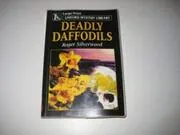
Deadly Daffodils / Dead Ahead
by Roger Silverwood
1970
On holiday in a Cornish fishing village, toy-company boss Robert Mackie sees a body hurled from a cliff, then watches the evidence vanish. Unsure he can trust Superintendent Cawthorn, he starts investigating for himself.

Dying for a Drink
by Roger Silverwood
1971
Three deaths in a North Yorkshire village point to poisoning, but the motive is murky and the clues do not sit neatly together. Superintendent Cawthorn picks apart family grief, suspicion, and a telling wine cabinet.

The Illegitimate Spy
by Roger Silverwood
1972
Superintendent Cawthorn books in chronological order
Series background & context
Before Michael Angel became Roger Silverwood's best-known detective, he wrote a small group of earlier crime novels linked to Superintendent Cawthorn. These books have a slightly different feel from the Angel stories. They are leaner, a little sharper, and often more interested in how ordinary people get tangled in danger before the police have a full grip on what is happening.
Cawthorn is not a cozy amateur sleuth. He is a senior investigator, experienced and not always easy to read, the kind of policeman who can feel reassuring one minute and faintly unsettling the next. That uncertainty is part of the atmosphere. In Deadly Daffodils / Dead Ahead, for instance, the story begins with Robert Mackie, a toy-company managing director on holiday in a Cornish fishing village, who sees what looks like a body thrown over a cliff. By the time the police arrive, the evidence has shifted, and Cawthorn becomes part of a mystery that feels slippery from the start.
Dying for a Drink keeps the focus on suspicious death but moves into more classic village-whodunit territory. A cluster of poisonings hits a respectable family in North Yorkshire, and the puzzle turns on motive, family strain, and the sort of overlooked detail, in this case a wine cabinet, that can suddenly change the shape of the whole case. Silverwood was already interested in the idea that the truth often sits in plain sight while everybody argues over something more dramatic.
These are early books, and you can feel a writer working out the concerns that would stay with him for years.
Small communities matter. Appearances mislead. The police do not always arrive as instant saviors. People lie for pride, fear, money, love, and sometimes simply because telling the truth would be too embarrassing. Even the third book, The Illegitimate Spy, suggests Silverwood was willing to widen the frame beyond a straightforward village puzzle and lean into secrecy, uncertain loyalties, and a more suspenseful kind of threat.
If you know Silverwood only through Michael Angel, the Cawthorn novels are interesting because they show the groundwork. The plotting is already there. So is the liking for misdirection and for crimes that disturb ordinary settings. What changes is the tone. These books are a little less warm, a little less comic, and more direct in the way they move from suspicious event to investigation.
That makes the series a good place to look if you enjoy traditional British crime fiction and want to see Silverwood nearer the start of his career. The scale is smaller than the long Angel run, but the same interest in motive, setting, and well-laid clues is already fully in view.







Edited by
Software engineer whose passion for tracking book recommendations from podcasts inspired the creation of MRB.
Lead investor at 3one4 Capital whose startup expertise and love for books helped shape MRB and its growth.
Comments
Did we miss something? Have feedback?
Help us improve this page by sharing your thoughts