
Steve Wayne Books in Order
Part ofTerry Harknett Books in OrderFind the Steve Wayne books by Terry Harknett in order, with quick summaries, series background, and a handy guide to the early mysteries.
Last updated:
As an Amazon Associate, we earn from qualifying purchases (at no extra cost to you).
Steve Wayne books in publication order
7 books
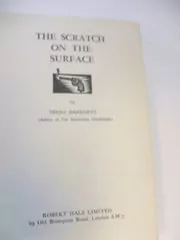
The Scratch on the Surface
by Terry Harknett
1962
Private investigator Steve Wayne sees a routine case crack open into something darker once he digs past the first, misleading clues.
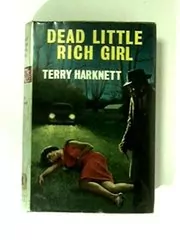
Dead Little Rich Girl
by Terry Harknett
1963
A young wealthy woman's death pulls Wayne into a world of money, secrets, and people who think influence can bury murder.

Invitation to a Funeral
by Terry Harknett
1963
Wayne follows a case that begins with a funeral and quickly turns into a hunt through grief, lies, and old resentments.
Death of an aunt
by Terry Harknett
1967
An apparently small domestic death becomes a sharper puzzle for Wayne once family interests and hidden motives surface.
The Two-Way Frame
by Terry Harknett
1967
Wayne works a case with two competing versions of the truth, where every lead points both forward and back.
Softcover Kill
by Terry Harknett
1971
Wayne gets dragged into the publishing world, where reputation, money, and murder make a nasty combination.
Upmarket Affair
by Terry Harknett
1973
A polished social circle hides a dirty case, and Wayne has to cut through class manners to find the danger underneath.
Steve Wayne books in chronological order
Series background & context
The Steve Wayne books show Terry Harknett before the western avalanche. These are early crime novels built around a private investigator working in England and, at times, farther afield. They are leaner and more traditional than the Edge or Apache books, but you can still see the same liking for movement, pressure, and people who get into deeper trouble than they first expected.
Wayne is a classic private-eye figure in the broad sense. He asks the questions other people would rather avoid, keeps going after a case turns sour, and moves through a world where respectability is often only a surface effect. Titles like The Scratch on the Surface, Dead Little Rich Girl, and Invitation to a Funeral make that clear. Even when the setup sounds neat and contained, the real business is what lies underneath.
The tone is not American hardboiled imitation for its own sake, though the Raymond Chandler influence on Harknett is easy to spot. These books feel British in pace and social texture. There are old resentments, careful manners, money problems, and a steady sense that family or class can make a case messier rather than simpler. The Two-Way Frame, Death of an aunt, and The Softcover Kill all fit that general shape.
One thing readers often like here is the compactness. Harknett had a direct style even early on, and the Wayne stories do not waste much time. He gets the case moving, adds a few twists, and keeps the pressure on. That makes these books a good choice for readers who enjoy older mysteries but do not want something overly cosy or overly elaborate.
They are also useful as a map of where Harknett started.
If you know him mainly from the westerns, the Steve Wayne novels are a good reminder that he first made his way in crime fiction. They are shorter, tighter, and less outrageous than his later frontier work, but the same appetite for trouble, pace, and sharp setups is already there.









Edited by
Software engineer whose passion for tracking book recommendations from podcasts inspired the creation of MRB.
Lead investor at 3one4 Capital whose startup expertise and love for books helped shape MRB and its growth.
Comments
Did we miss something? Have feedback?
Help us improve this page by sharing your thoughts