
Southampton Books in Order
Part ofDaniel Judson Books in OrderFind the Southampton books by Daniel Judson in order, with quick summaries, series background, and an easy starting point for this moody Hamptons crime run.
Last updated:
As an Amazon Associate, we earn from qualifying purchases (at no extra cost to you).
Southampton books in publication order
3 books

The Darkest Place
by Daniel Judson
2006
A record-cold Southampton winter turns deadly when drowned young men begin surfacing in the bay. Suspected professor Deacon Kane joins forces with a trio of private investigators to clear his name and confront something far darker than rumor.

The Water's Edge
by Daniel Judson
2008
When two men are found hanged from a Southampton bridge, former boxer Jake Pay Day Bechet knows it signals betrayal inside a crime family. He, Tommy Miller, and Kay Barton have one brutal day to stop a killer before more blood follows.
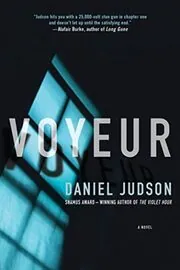
Voyeur
by Daniel Judson
2010
After a savage attack ended his career, former Manhattan PI Remer has built a quieter life running a liquor store in Southampton. A missing woman from his past pulls him back into investigation, where old fear and fresh betrayal wait.
Southampton books in chronological order
Series background & context
The Southampton books are linked less by one single hero than by a place, a mood, and a network of people whose lives keep colliding. Across The Darkest Place, The Water's Edge, and Voyeur, Daniel Judson keeps returning to off-season Southampton, when the beaches are cold, the money still talks, and the people left behind have to live with what summer wealth covers up. The result is a dark, connected run of crime novels with a strong sense of town.
The Darkest Place starts the series in winter, with drowned young men turning up in the waters around Southampton and suspicion falling on Deacon Kane, a visiting humanities lecturer already wrecked by personal loss. To clear his name, Kane ends up moving through a world of private investigators, damaged allies, and hidden cruelty. This book sets the tone for what follows. Grief matters here. So does the way a town can decide who is safe, who is expendable, and who gets blamed.
The Water's Edge shifts to a rain-soaked spring night and a new set of central players, including Jake Pay Day Bechet, Tommy Miller, and ex-cop Kay Barton. Two brutal killings point toward betrayal inside a crime family, but the story is never just about mob business. It is also about police power, old loyalties, and people trying to claw back some version of dignity. The book unfolds fast, over roughly a day, and gives the series an even stronger sense of momentum.
No one in these books gets to stay clean for long.
Then Voyeur brings in Remer, a former Manhattan private investigator who has exiled himself to Southampton after a horrifying attack ended his old life. He now runs a liquor store and tries not to look too closely at anything. That plan falls apart when a woman from his past disappears and pulls him back into investigation, memory, and danger. The book keeps the town-centered feel of the earlier novels, but it adds a sharper note of paranoia and personal dread.
What makes this series work is the way Judson uses Southampton itself. The wealthy estates matter, but so do the garages, bars, side streets, canals, cottages, and winter beaches. Rich families, local cops, laborers, hustlers, and washed-up investigators all share the same cramped moral weather. Characters move in and out of each other's stories, so the books feel connected even when the lead changes.
The tone is moody, noir-leaning, and very grounded in class tension. If you want crime fiction where the setting is not just scenery but the engine behind almost every conflict, the Southampton books are the place to start with Judson's East End world.













Edited by
Software engineer whose passion for tracking book recommendations from podcasts inspired the creation of MRB.
Lead investor at 3one4 Capital whose startup expertise and love for books helped shape MRB and its growth.
Comments
Did we miss something? Have feedback?
Help us improve this page by sharing your thoughts