
Soldier Of The Mist Books in Order
Part ofGene Wolfe Books in OrderExplore the Soldier of the Mist books by Gene Wolfe in order, with short summaries, series background, and where to start with Latro's journey.
Last updated:
As an Amazon Associate, we earn from qualifying purchases (at no extra cost to you).
Soldier Of The Mist books in publication order
4 books
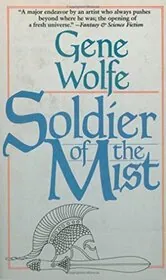
Soldier of the Mist
by Gene Wolfe
1986
After a head wound in ancient Greece, Latro can remember only what he writes down each day. His curse also lets him see the gods, turning his search for self into a strange historical fantasy.
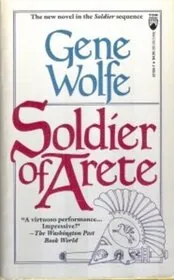
Soldier of Arete
by Gene Wolfe
1989
Latro continues his journey through the Greek world with only his daily writings to hold himself together. His lost past, the will of the gods, and the demands of war keep closing around him.
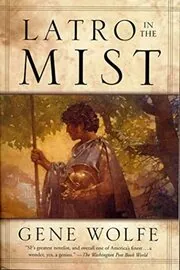
Latro in the Mist
by Gene Wolfe
2003
This omnibus gathers Soldier of the Mist and Soldier of Arete, following Latro, a mercenary in ancient Greece who loses his memory every night. His journals turn a historical journey into a haunting search for identity and the gods.

Soldier of Sidon
by Gene Wolfe
2006
Latro wakes each day without memory, guided only by the notes he writes to himself. In Egypt he follows the Nile through danger, gods, and shifting loyalties while still searching for release from his curse.
Soldier Of The Mist books in chronological order
Series background & context
The Soldier books follow one of Gene Wolfe's most memorable narrators, Latro, a mercenary in the ancient world who cannot hold on to new memories after sleep. Every morning he wakes to a blank space and must read the notes he left for himself the day before. That gives the series its shape at once, each section feels immediate, uncertain, and a little heartbreaking.
The series begins in Greece after battle, with Soldier of the Mist. Latro has suffered a head wound that leaves him unable to remember his recent past, but the injury seems to have opened something as well. He can see and speak to gods, spirits, and other beings that most people around him cannot perceive. In Wolfe's hands, ancient religion is not background color. It is part of the everyday world.
That changes everything.
Because Latro writes his life down one day at a time, the books feel both intimate and fragmented. He is brave, direct, and often kinder than the people around him expect, but he is also permanently lost. He has to reconstruct who he is from scraps, from what others tell him, from what he notices, and from what the gods seem to want. The reader does that work with him.
Soldier of Arete carries the story deeper into the Greek world, through warfare, politics, and uneasy friendships. Soldier of Sidon later moves the action into Egypt, where Latro follows the Nile through a landscape of temples, rulers, tricksters, and more dangerous divine attention. The omnibus Latro in the Mist gathers the first two novels and is often the easiest way to begin.
The setting matters a great deal here. Wolfe is writing fantasy, but he is also writing a lived-in version of the classical world, full of roads, ships, city-states, campfires, bargaining, slaves, healers, and soldiers. The books never feel like myth from a safe distance. They feel like travel notes from a place where the sacred and the ordinary still share the same road.
What carries the series from book to book is not one tidy plot but Latro himself, his search for identity, his hope of understanding the curse on him, and the tension between what he can see and what others refuse to believe. These are historical fantasies, yes, but they are also humane adventure stories, strange religious encounters, and meditations on memory. If you like fantasy that feels old, immediate, and unlike almost anything else, this is one of Wolfe's richest series.















Edited by
Software engineer whose passion for tracking book recommendations from podcasts inspired the creation of MRB.
Lead investor at 3one4 Capital whose startup expertise and love for books helped shape MRB and its growth.
Comments
Did we miss something? Have feedback?
Help us improve this page by sharing your thoughts