
Silverwing Books in Order
Part ofKenneth Oppel Books in OrderFind the Silverwing books in order by Kenneth Oppel, with short summaries, series background, and a simple guide to where to start with Shade's adventures.
Last updated:
As an Amazon Associate, we earn from qualifying purchases (at no extra cost to you).
Silverwing books in publication order
4 books
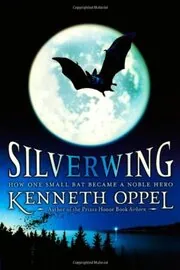
Silverwing
by Kenneth Oppel
1997
Shade, the runt of a young bat colony, is swept off course during the winter migration. Lost and hunted, he must cross a dangerous night world and find his way back before the cold and his enemies catch him.
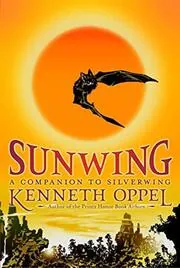
Sunwing
by Kenneth Oppel
1999
Still searching for his missing father, Shade stumbles into a strange human-made bat paradise that feels too good to trust. His journey pulls him south into jungle danger, old enemies, and a growing battle over night itself.
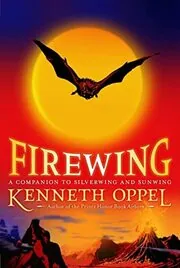
Firewing
by Kenneth Oppel
2000
Shade is pulled into his darkest adventure yet, one tangled up with old prophecies and the border between life and death. The stakes grow larger and stranger as the bat world faces danger from below as well as above.
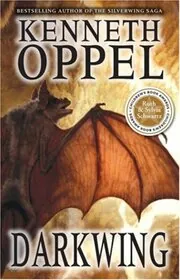
Darkwing / Dusk
by Kenneth Oppel
2007
Sixty-five million years ago, Dusk is different from every other tree glider in his colony, he can truly fly. When predators destroy his home, his strange gift becomes the best hope for survival.
Silverwing books in chronological order
Series background & context
Kenneth Oppel's Silverwing books take animal fantasy and make it feel huge without losing the closeness of a young hero's point of view. The central character is Shade, a small Silverwing bat who starts out as the runt of his colony and spends a lot of time trying to prove he can do more than everyone expects.
That need to prove himself sets everything in motion.
In Silverwing, Shade is separated from his colony during the long migration to their winter home, Hibernaculum. From there the series opens into a night world built around echo, wind, memory, and danger. Shade meets Marina, a Brightwing bat, and their friendship becomes one of the emotional anchors of the books. Along the way there are owls, rats, humans, myths about the sun, and the terrifying presence of Goth and the giant carnivorous bats known as Vampyrum Spectrum.
One of the best things about this series is the way the setting works. Oppel writes the air, trees, tunnels, cities, and forests as if bats truly live in them. Sound matters as much as sight. Distance feels enormous. A church tower or a human building can feel as strange and risky as a fantasy castle. The books are grounded in real bat behavior, but they also build a full mythology of their own, with prophecies, old beliefs, and battles over what the bat world should become.
The stakes keep growing across Sunwing and Firewing. Shade's search for family turns into a wider struggle that reaches new territories and darker ideas, including questions of destiny, death, and whether old legends can be trusted. Even as the scale widens, the stories stay tied to personal loyalties, who you protect, who you trust, and what you are willing to cross the dark for.
Then Darkwing pulls the camera back even farther. It works as a prequel, set 65 million years in the past, and follows Dusk, a strange young tree glider whose ability to truly fly sets him apart from his colony. That book shows an earlier world on the edge of change and gives the whole saga a deeper sense of origin.
These are adventurous books, but not soft ones. The danger can be real, the losses can hurt, and the villains are memorable.
If you like animal fantasy with motion, atmosphere, and a strong through-line of friendship and survival, this series delivers. Start with Silverwing for Shade's story, then move through the trilogy before circling back to Darkwing. The prequel adds more once you already know what bats will one day become.




Edited by
Software engineer whose passion for tracking book recommendations from podcasts inspired the creation of MRB.
Lead investor at 3one4 Capital whose startup expertise and love for books helped shape MRB and its growth.
Comments
Did we miss something? Have feedback?
Help us improve this page by sharing your thoughts