
Silent Death, the Next Millennium Books in Order
Part ofScott Sigler Books in OrderSee Scott Sigler's Silent Death, the Next Millennium books in order, with quick summaries, setting background, and notes on these game tie-ins.
Last updated:
As an Amazon Associate, we earn from qualifying purchases (at no extra cost to you).
Silent Death, the Next Millennium books in publication order
2 books
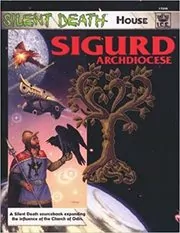
Sigurd Archdiocese
by Scott Sigler
1997
A faction sourcebook for the far-future *Silent Death* setting, focused on the Sigurd Archdiocese. It expands the game's universe with military background, political flavor, and material for campaigns and fleet building.
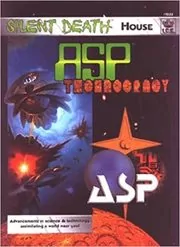
Asp Technocracy
by Scott Sigler
1998
This *Silent Death* supplement centers on the Asp Technocracy, one of the setting's major powers. Expect faction lore, strategic flavor, and game material built around its ships, culture, and military outlook.
Silent Death, the Next Millennium books in chronological order
Series background & context
This page covers Scott Sigler's work in Silent Death, the Next Millennium, which is a little different from his later fiction. These books are tie-ins for a far-future tabletop starfighter combat setting, so the reading experience is closer to exploring a game world than following a single ongoing novel plot.
That changes what you should expect.
At the series level, Silent Death is built around fast, lethal space combat in a fractured future. The wider setting is full of rival powers, unstable politics, and military brinkmanship, so the faction books matter because they give shape to the people, fleets, and ideologies behind the ships on the table. Instead of a hero's journey, you get worldbuilding, structure, and a sense of how different powers fight and think.
Sigler's contributions, including Sigurd Archdiocese and Asp Technocracy, sit right in that lane. They are sourcebooks, not novels, and they work best if you approach them as setting guides. Each one is there to explain a major faction, how it sees itself, what kind of force it brings to war, and what sort of stories or campaigns it can support. That means politics, doctrine, military flavor, and tools for play matter as much as any one dramatic scene.
They are worldbuilding books first.
That can actually be a big part of the appeal. Good faction books do more than dump names and ship lists. They tell you what kind of future this is by showing you who holds power, what values people claim to defend, and how conflict becomes routine. In a setting like Silent Death, where combat is quick and punishing, the atmosphere around those battles matters. You want to know why these groups are fighting, what makes them distinct, and what sort of pressure shapes everyday life in the background.
So this page is best used as a map to Sigler's early professional work in game fiction and setting design. If you mostly know him from novels like Infected or Earthcore, these books show a different side of his writing career, one rooted in system support, faction identity, and the practical business of helping a setting feel playable.
In short, do not come here expecting a traditional series arc. Come here if you want to see how Sigler handled shared-world design, military science-fiction flavor, and the nuts and bolts of a far-future conflict setting. For readers who also game, or who like seeing how writers cut their teeth inside older genre spaces, that makes this corner of his bibliography especially interesting.














Edited by
Software engineer whose passion for tracking book recommendations from podcasts inspired the creation of MRB.
Lead investor at 3one4 Capital whose startup expertise and love for books helped shape MRB and its growth.
Comments
Did we miss something? Have feedback?
Help us improve this page by sharing your thoughts