
Sherman Alexie Books in Order
Find Sherman Alexie books in order, with quick summaries, standout reads, and where to start across his novels, stories, poetry, memoir, and children's books.
Last updated:
As an Amazon Associate, we earn from qualifying purchases (at no extra cost to you).
Sherman Alexie books in publication order
26 books
The Business of Fancydancing
by Sherman Alexie
1991
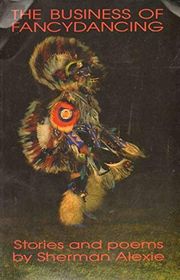
Alexie's debut book mixes poems and short prose to show reservation life with bite, sorrow, and jokes that land hard. It introduces many of the themes he would keep returning to, identity, poverty, family, anger, and survival.

First Indian on the Moon
by Sherman Alexie
1993
Part poetry collection and part prose experiment, this book leaps between reservation life, love, history, and pop culture. Alexie keeps the tone restless and funny, even as the pieces circle grief, power, and the weight of being seen.
Old Shirts & New Skins
by Sherman Alexie
1993
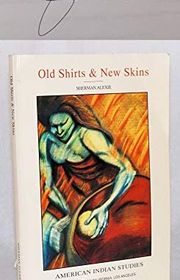
This poetry collection looks at modern Native life through anger, humor, and fierce clarity. Alexie moves between personal memory and larger history, showing how poverty, racism, and survival keep pressing on everyday life.

Smoke Signals
by Sherman Alexie
1993
This screenplay follows Victor Joseph and Thomas Builds-the-Fire on a trip from the reservation to Arizona after Victor's father dies. It captures the film's dry humor and heartbreak while showing how Alexie reshaped his short fiction for the screen.
The Lone Ranger and Tonto Fistfight in Heaven
by Sherman Alexie
1993
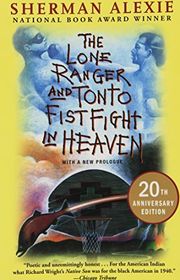
These linked stories follow Thomas Builds-the-Fire, Victor Joseph, and others living on and around the Spokane Reservation. Alexie writes with deadpan humor and deep feeling about friendship, fathers, drinking, memory, and the daily work of getting through.
Reservation Blues
by Sherman Alexie
1995
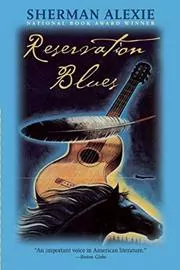
When blues legend Robert Johnson appears on the Spokane Reservation and leaves behind a magical guitar, Thomas Builds-the-Fire helps form the band Coyote Springs. The novel mixes music, myth, and hard luck into a funny, aching story about ambition and survival.

Water Flowing Home
by Sherman Alexie
1995
A slim poetry collection that returns to home, family, and tribal memory with Alexie's usual mix of blunt speech and lyric turns. The poems feel intimate and sharp, always aware of how history keeps flowing into the present.

Indian Killer
by Sherman Alexie
1996
In Seattle, a series of brutal murders sparks panic, racism, and suspicion around John Smith, a Native man adopted by white parents. Alexie turns the setup into a dark, unsettling novel about identity, anger, and who gets to belong.
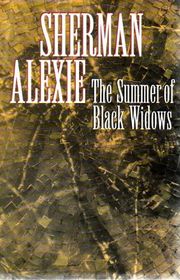
The Summer of Black Widows
by Sherman Alexie
1996
In these poems, Alexie moves from the Spokane Reservation to other haunted places while thinking about loss, love, and history. The book is full of dark jokes, vivid images, and the sense that the past never stays buried.
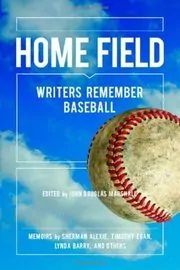
Home Field
by Sherman Alexie
1997
This essay collection gathers writers reflecting on baseball as family story, memory, and local ritual. Alexie's contribution brings reservation childhood, identity, and sport together in a piece that is about much more than the game.
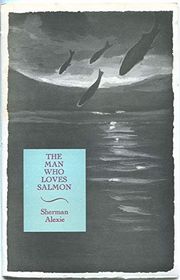
The Man Who Loves Salmon
by Sherman Alexie
1998
This brief poetry collection stays close to the Pacific Northwest, where salmon, land, memory, masculinity, and Native identity all matter. Alexie packs a lot into a small space, mixing tenderness, irony, and the pressure of history.

One Stick Song
by Sherman Alexie
2000
Alexie blends poems and short prose pieces in a book that feels part confession, part performance. Reservation childhood, fathers, love, race, and public identity all come into view, carried by his familiar humor and sting.
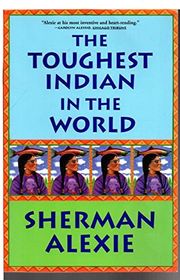
The Toughest Indian in the World
by Sherman Alexie
2000
These stories track Native characters moving through cities, jobs, marriages, and restless desire. The title story follows a Spokane journalist chasing a sense of belonging, and the whole collection asks what identity means once home is both near and far.

Business of Fancydancing
by Sherman Alexie
2003
This screenplay centers on Seymour Polatkin, a successful Spokane poet whose friend's death pulls him back to the reservation. Alexie blends memory, music, grief, and questions of Native identity, art, and belonging into a deeply personal film text.
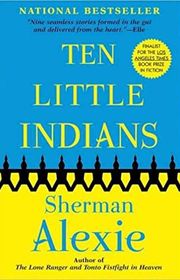
Ten Little Indians
by Sherman Alexie
2003
Set largely in Seattle, these stories follow Native characters navigating class, love, chance, and the stereotypes waiting for them at every turn. The mood is often comic, but Alexie keeps asking who gets seen clearly in modern city life.
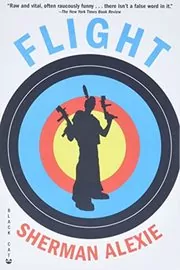
Flight
by Sherman Alexie
2007
Fifteen-year-old Zits, angry and alone in the foster system, is pushed toward violence and then hurled through key moments of American bloodshed. It is a fast, strange novel about guilt, empathy, and the hard work of becoming human.
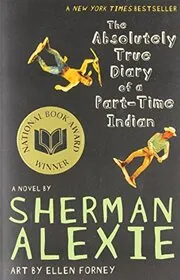
The Absolutely True Diary of a Part-Time Indian
by Sherman Alexie
2007
Junior, a bright Spokane teenager and aspiring cartoonist, leaves the reservation school to attend an all-white high school in Reardan. Funny, sharp, and heartbreaking, the novel follows what it costs to chase a bigger life without losing home.
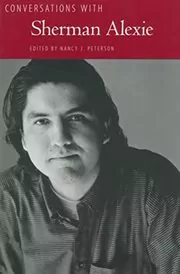
Conversations with Sherman Alexie
by Sherman Alexie
2009
This interview collection lets Alexie speak in his own voice about writing, family, politics, humor, and what it means to tell Native stories in America. It is a useful doorway into both the work and the man behind it.
Face
by Sherman Alexie
2009
This poetry collection turns inward without losing Alexie's snap and wit. He writes about fame, family, illness, desire, and getting older, testing how much of a person can be seen on the surface and how much stays hidden.

Radioactive Love Song
by Sherman Alexie
2009
William, a grieving urban Indian teenager, sets out on a road trip with a failing car and an iPod full of love songs. The story mixes sorrow, humor, and motion as he searches for direction after his mother's death.
War Dances
by Sherman Alexie
2009
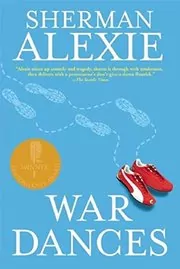
A restless, shape-shifting collection of stories, poems, and short pieces, this book moves through family illness, race, fatherhood, art, and mortality. Alexie keeps the tone sharp and funny even when the subjects cut deep.
Blasphemy
by Sherman Alexie
2012
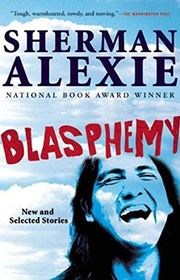
Half retrospective and half fresh material, this collection brings together many of Alexie's strongest stories alongside new ones. It is a wide-ranging tour of reservation and urban life, full of humor, grief, sharp talk, and sudden tenderness.

What I've Stolen, What I've Earned
by Sherman Alexie
2013
This later poetry collection plays with sonnets, odes, and other forms while circling grief, love, pop songs, fathers, and Native identity. Alexie sounds looser and more formal at once, willing to joke, mourn, and argue in the same breath.

The Best American Poetry 2015
by Sherman Alexie
2015
Guest-edited by Alexie, this anthology gathers contemporary poems that show the range of American poetry in one year. It is less a single artistic statement than a snapshot of voices, styles, arguments, and surprises.
Thunder Boy Jr.
by Sherman Alexie
2016
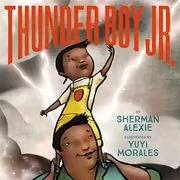
Thunder Boy Jr. is tired of being named after his dad and wants a name that fits his own story. This warm, funny picture book follows a Native boy as he claims an identity that feels truly his.

You Don't Have to Say You Love Me
by Sherman Alexie
2017
After his mother's death, Alexie pieces together a memoir in prose and poetry about childhood on the Spokane Reservation, family trauma, and a bond shaped by love, anger, and silence. It is intimate, funny, and bruisingly honest.
Where to start with Sherman Alexie
If you want the classic starting point: The Lone Ranger and Tonto Fistfight in Heaven → Reservation Blues
If you want the best-known YA novel: The Absolutely True Diary of a Part-Time Indian
If you want short fiction first: The Toughest Indian in the World → Ten Little Indians → Blasphemy
If you want the poetry first: The Business of Fancydancing → Face → What I've Stolen, What I've Earned
If you want the memoir: You Don't Have to Say You Love Me
Sherman Alexie collections, short stories, and related book types
Plays
Picture Books
Collections
Non-Fiction
Standalone Sherman Alexie books
Author bio
Sherman Alexie was born in Spokane, Washington, in 1966, and grew up on the Spokane Indian Reservation in Wellpinit. He is Spokane and Coeur d'Alene, and the Pacific Northwest has stayed at the center of his work ever since. Again and again, his books return to reservation roads, basketball courts, kitchen tables, and the uneasy space between Native and white America.
He had a hard start. Alexie was born with hydrocephalus and underwent brain surgery as an infant, and for years he also dealt with seizures and the kind of bullying that can make childhood feel very small. He has often said that reading saved him. Books gave him company, a sense of control, and a way to imagine a life larger than the one people expected for him.
That habit of reading turned into ambition.
As a teenager, he left the reservation to attend Reardan High School, where he was the only Native student and quickly stood out in the classroom. He won a scholarship to Gonzaga University, but his path there was unsettled, and he eventually transferred to Washington State University. At WSU, a writing class with poet Alex Kuo, along with the discovery of Native poetry by writers like Adrian C. Louis, helped him see that literature could be more than a private refuge. It could be his work.
His first books were poetry. The Business of Fancydancing announced a voice that was blunt, funny, wounded, and very hard to ignore. Soon after came The Lone Ranger and Tonto Fistfight in Heaven, the linked story collection that made many readers pay attention for the first time. In those stories, characters like Thomas Builds-the-Fire and Victor Joseph move through poverty, grief, friendship, and absurdity with the kind of humor that never hides the hurt underneath.
Then the range of the work got wider.
Alexie kept moving across forms without losing his center. Reservation Blues turned a reservation band and a magical guitar into a sad, wild novel about hope and disappointment. Indian Killer took the shape of a thriller and pushed it into questions of race, fear, and belonging in Seattle. Flight followed an angry foster kid named Zits through time and violence, while The Absolutely True Diary of a Part-Time Indian used cartoons and a teenage voice to tell a sharp, accessible coming-of-age story about leaving home without really leaving it.
Readers often come to Alexie for the humor first. They stay because the books keep telling the truth about loneliness, class, family damage, and survival. His work is full of recurring things, basketball, music, fathers and sons, bad jobs, old stories, pop culture, and people trying to live in two worlds at once. The settings matter too. Even when a story moves to Seattle or somewhere farther away, the Spokane Reservation is never very far offstage.
He has never limited himself to fiction. Alexie wrote the screenplay for Smoke Signals, adapted from his own stories, and helped bring a contemporary Native story to a broad film audience. He has also published memoir and more poetry, including War Dances, a hybrid collection of stories and poems, and You Don't Have to Say You Love Me, his searching book about his mother, grief, and the long afterlife of childhood.
For all the success, one thing about him has stayed steady. He still describes himself as a poet first. He has lived in Seattle for much of his adult life and has often called himself an urban Indian, a phrase that helps explain the push and pull in so much of his writing. That tension, between home and distance, anger and laughter, private hurt and public performance, is where a lot of his best work lives.







Edited by
Software engineer whose passion for tracking book recommendations from podcasts inspired the creation of MRB.
Lead investor at 3one4 Capital whose startup expertise and love for books helped shape MRB and its growth.
Comments
Did we miss something? Have feedback?
Help us improve this page by sharing your thoughts