
Sean Falcone Books in Order
Part ofWilliam S Cohen Books in OrderSee the Sean Falcone series by William S. Cohen in order, with short summaries, series background, and a clear guide to where to start.
Last updated:
As an Amazon Associate, we earn from qualifying purchases (at no extra cost to you).
Sean Falcone books in publication order
3 books

Blink of an Eye
by William S Cohen
2011
After a nuclear bomb destroys an American city, national security adviser Sean Falcone must find the attackers before panic, bad intelligence, and a rush to blame Iran push the country toward a wider catastrophe.
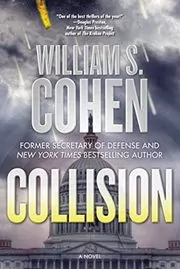
Collision
by William S Cohen
2015
A mass shooting at a Washington law firm leaves Sean Falcone chasing a stolen laptop and a dangerous secret. The trail leads to asteroid mining, political corruption, and a threat that could put the whole planet at risk.
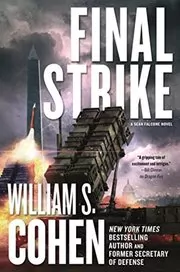
Final Strike
by William S Cohen
2018
Sean Falcone heads into a global crisis when an American billionaire is trapped in Moscow and an asteroid is on course for Earth. To stop disaster, he has to outmaneuver political enemies and the clock.
Sean Falcone books in chronological order
Series background & context
Sean Falcone is the kind of thriller hero who feels built for the long hallways of Washington. He has been a senator, a national security adviser, and later a lawyer, so he understands how power works from the inside. That matters because these books are not small detective stories. Each one starts with a specific crisis and quickly widens into national security, intelligence failures, and decisions that could reshape the country, or worse.
Washington is half the setting, half the problem.
In Blink of an Eye, Falcone is pulled into the aftermath of a nuclear attack on an American city. The pressure to produce answers fast is enormous, and the easiest explanation is also the most dangerous one. Cohen uses that setup to show what makes the series tick: public fear, political pressure, incomplete intelligence, and a protagonist who refuses to accept the first convenient story handed to him. The suspense comes not just from the attack itself, but from what might happen if leaders strike back before they know the truth.
The scope stays high in Collision. A shooting at an elite Washington law firm looks like one terrible act of violence, but it opens into a larger mystery involving a stolen laptop, private wealth, space technology, and the possibility of planetary disaster. By Final Strike, the books lean fully into global stakes, with Russia, an American billionaire, and an asteroid crisis colliding at once. Across the trilogy, Cohen likes to take a worst-case scenario and then ask what institutions do when time runs short and facts are still incomplete.
Sean Falcone is the thread that holds it together.
He is useful because he can move between worlds. Falcone can talk to presidents and senators, but he can also follow an investigation when official channels are blocked or compromised. That gives the series its rhythm. These books care about individual courage, but they also care about systems, how agencies talk to each other, how information gets bent by politics, and how ambition or panic can make a bad situation worse.
The tone is serious, fast-moving, and rooted in real institutions. You get White House pressure, intelligence briefings, media noise, and backroom maneuvering, but Cohen keeps the stories readable by anchoring each book in one central question: who is really responsible, and what happens if Falcone gets the answer too late? Readers who like political thrillers with large global stakes will probably feel at home here. The three novels can stand alone, but they work best in order if you want the clearest sense of Falcone as a steady, skeptical presence in a world full of rushed judgments and hidden agendas.






Edited by
Software engineer whose passion for tracking book recommendations from podcasts inspired the creation of MRB.
Lead investor at 3one4 Capital whose startup expertise and love for books helped shape MRB and its growth.
Comments
Did we miss something? Have feedback?
Help us improve this page by sharing your thoughts