
Science of Senses Books in Order
Part ofLaura L Sullivan Books in OrderSee Laura L Sullivan's Science of Senses books in order, with quick summaries, series background, and where to start with these animal science reads.
Last updated:
As an Amazon Associate, we earn from qualifying purchases (at no extra cost to you).
Science of Senses books in publication order
1 book
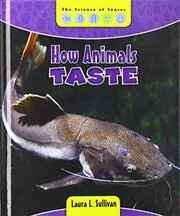
How Animals Taste
by Laura L Sullivan
2019
A clear, lively look at how animals use taste to survive and find food. From octopuses tasting with their suckers to grazers avoiding toxic plants, it shows how different species experience flavor in very different ways.
Science of Senses books in chronological order
Series background & context
The Science of Senses series takes a familiar topic, how living things gather information, and breaks it into focused, kid-friendly books. Each volume centers on a single sense and shows how animals use it in ways that can look surprising, useful, or downright strange to human readers. The result is science writing that feels approachable without talking down to its audience.
Animals do not experience the world the way we do.
That is the big idea running through the series. A book may begin with something children already know, seeing, hearing, tasting, smelling, touching, and then stretch that idea by asking how another species handles the same task. The comparisons are what make the line work. Readers are not only learning facts about animals. They are also learning that perception itself can vary wildly from one creature to the next.
Laura L. Sullivan's How Animals Taste is a good example of the series style. It starts with a basic question and then opens out into a mix of vivid cases and clear explanations. An octopus can taste through the suckers on its arms. Grazing animals use taste to avoid harmful plants. Primates often show strong interest in sweet foods. Those details are memorable, and they give the science a concrete shape.
Books in this series tend to move quickly, using short sections, strong examples, and helpful visual support. That makes them especially useful for readers who like facts in manageable pieces. The tone is curious and explanatory rather than overly technical. A child can pick one up for a school report, but just as easily keep reading because the material is genuinely weird in the best way.
There is also a quiet lesson underneath the animal facts. The books encourage readers to think about adaptation, survival, and the connection between body design and behavior. A sense is not presented as an isolated feature. It is part of how an animal finds food, avoids danger, communicates, and fits into its environment.
So while the Science of Senses books are easy to browse, they are doing solid conceptual work. They help young readers see that biology is not just a pile of names and traits. It is a set of solutions, and every species has evolved its own way of meeting the world.










Edited by
Software engineer whose passion for tracking book recommendations from podcasts inspired the creation of MRB.
Lead investor at 3one4 Capital whose startup expertise and love for books helped shape MRB and its growth.
Comments
Did we miss something? Have feedback?
Help us improve this page by sharing your thoughts