
Scavenger Books in Order
Part ofTom Holt Books in OrderDiscover the Scavenger trilogy by K. J. Parker (Tom Holt) in order, with an overview of Poldarn’s amnesia-haunted journey, setting details, and spoiler-light book summaries.
Last updated:
As an Amazon Associate, we earn from qualifying purchases (at no extra cost to you).
Scavenger books in publication order
3 books
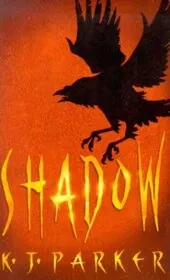
Shadow
by Tom Holt
2001
A man wakes among corpses on a battlefield with no memory of who he is. Taking the name Poldarn, he tries to piece together his past while everyone who recognises him either flees or attacks, suggesting his former life was anything but harmless.
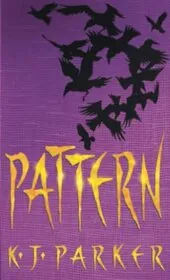
Pattern
by Tom Holt
2002
Still unsure of his true identity, Poldarn travels through a war‑torn land chasing hints from dreams and half‑remembered faces. Invisible enemies and old alliances shadow his steps as he returns toward the island he thinks might once have been home.
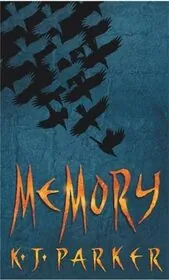
Memory
by Tom Holt
2003
Back on his native island, Poldarn finally uncovers the tangled, unpleasant truth of who he was before the battlefield. As dreams, rumours and hard facts converge, he has to decide whether living with his recovered memories is possible—or safe for anyone around him.
Scavenger books in chronological order
Series background & context
The Scavenger trilogy opens with one of K. J. Parker’s starkest images: a man waking up in a stream, surrounded by corpses, with no idea who he is or which side he was on. Before long he has a name—Poldarn—and the uneasy sense that he is extremely dangerous.
Shadow, Pattern and Memory follow Poldarn across a battered, half‑mythic empire that seems to be eating itself. As he falls in with con artists, farmers, monks and soldiers, fragments of memory surface in dreams and flashbacks. Each clue about his past only makes the picture worse. People recognise him and either run, attack or refuse to explain. Whatever he did before the battlefield, it was not small.
On the surface the story looks like a classic quest for identity, but Parker quickly undercuts that comfort. Poldarn is capable, practised with weapons and surprisingly good at staying alive, yet his attempts to do the right thing now are constantly undermined by the fallout of who he used to be. The trilogy’s tension lies in the gap between intention and consequence, between the myths people tell about gods and heroes and the messy, human truth.
The world itself is quietly strange: there may or may not be a real god called Poldarn, the Church has its own weaponised theology, and little details of craft—pottery, buttons, farming—carry weight. Magic, if it exists, looks very much like coincidence and psychology until it’s too late.
Taken together, the Scavenger books are grim, knotty and unusually introspective: a long look at guilt, responsibility and what it means to start over when you can never really escape the person you were.







Edited by
Software engineer whose passion for tracking book recommendations from podcasts inspired the creation of MRB.
Lead investor at 3one4 Capital whose startup expertise and love for books helped shape MRB and its growth.
Comments
Did we miss something? Have feedback?
Help us improve this page by sharing your thoughts