
Sam Kean Books in Order
Explore Sam Kean's books in order, including The Disappearing Spoon and his science histories, with publication lists and descriptions to guide your next read.
Last updated:
As an Amazon Associate, we earn from qualifying purchases (at no extra cost to you).
Sam Kean books in publication order
8 books
The Disappearing Spoon
by Sam Kean
2010
Sam Kean explores the periodic table through the people and events behind its elements. Scientific rivalries, discoveries, practical jokes, and human obsessions connect chemistry with medicine, art, and history, including the melting metal behind the title.
The Violinist's Thumb
by Sam Kean
2012
Sam Kean examines DNA through stories connecting genetics with human history and individual lives. Scientific discoveries and unusual biological puzzles explain how genes work, what they can reveal, and how researchers learned to read their information.
The Tale of the Dueling Neurosurgeons
by Sam Kean
2014
Sam Kean traces the study of the brain through people whose injuries and unusual conditions exposed its workings. Stories of altered memory, perception, and personality show how neurological accidents helped researchers understand the human mind.
Caesar's Last Breath
by Sam Kean
2017
Following the gases in a single breath, Sam Kean explores Earth's atmosphere and its connections to human history. Chemistry, geological change, inventions, and individual lives reveal how air has shaped the planet and its inhabitants.
The Bastard Brigade
by Sam Kean
2019
During World War II, Allied investigators feared Germany might build an atomic bomb. Sam Kean follows the scientists, spies, and soldiers enlisted to investigate Nazi nuclear research, describing the intelligence operations and sabotage surrounding that threat.
The Icepick Surgeon
by Sam Kean
2021
Sam Kean investigates scientific work pursued through unethical and criminal means. Historical cases involving experiments, exploitation, warfare, and ambition examine how researchers crossed moral boundaries and what happens when discovery is placed above human lives.
Dinner with King Tut
by Sam Kean
2025
Sam Kean joins experimental archaeologists attempting to recreate ancient experiences through food, tools, boats, weapons, and other practical trials. Their work investigates what past civilizations felt, tasted, smelled, and sounded like beyond the surviving monuments and written records.
The Museum of Lost Things
by Sam Kean
2026
Sam Kean explores vanished treasures, destroyed libraries, lost cities, undeciphered languages, and extinct species. These accounts consider why disappearances remain compelling and what efforts to recover or understand them reveal about human history and the meaning of loss.
Where to start with Sam Kean
For chemistry through human stories: The Disappearing Spoon
For DNA and genetics: The Violinist's Thumb
For the science of the atmosphere: Caesar's Last Breath
For ethics and misconduct in science: The Icepick Surgeon
Standalone Sam Kean books
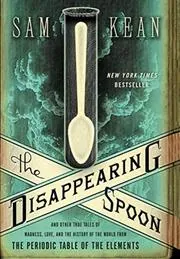
by Sam Kean
2010And Other True Tales of Madness, Love, and the History of the World from the Periodic Table of the Elements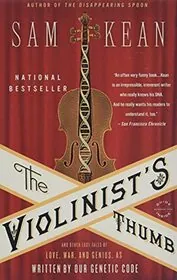
by Sam Kean
2012And Other Lost Tales of Love, War, and Genius, as Written by Our Genetic Code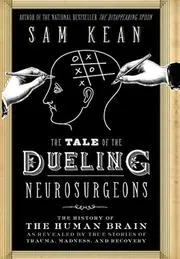
The Tale of the Dueling Neurosurgeons
by Sam Kean
2014The History of the Human Brain as Revealed by True Stories of Trauma, Madness, and Recovery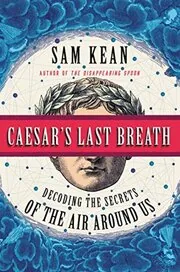

by Sam Kean
2019The True Story of the Renegade Scientists and Spies Who Sabotaged the Nazi Atomic Bomb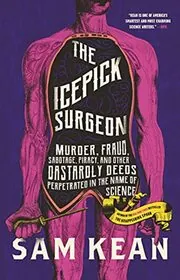
by Sam Kean
2021Murder, Fraud, Sabotage, Piracy, and Other Dastardly Deeds Perpetrated in the Name of Science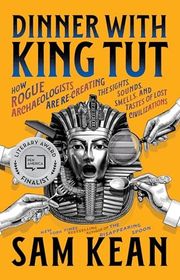
by Sam Kean
2025How Rogue Archaeologists Are Re-creating the Sights, Sounds, Smells, and Tastes of Lost Civilizations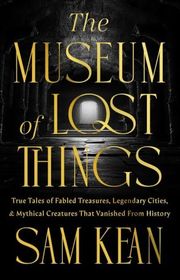
by Sam Kean
2026True Tales of Fabled Treasures, Legendary Cities, and Mythical Creatures That Vanished From History
Author bio
Sam Kean writes narrative nonfiction that uses stories about people to explain science. His subjects range from the elements and DNA to the atmosphere, while The Icepick Surgeon examines what happens when scientific ambition overrides ethical limits. Readers can choose a book by subject without needing to follow a continuous sequence.
Kean grew up in South Dakota and studied physics and English at college in Minnesota. He later earned a master’s degree in library science and lives in Washington, D.C. That combination of scientific study and an interest in language is reflected in books built around explanation and anecdote.
The Disappearing Spoon begins with the periodic table.
The elements become a route into scientific discovery, history, medicine and other human activities. The book suits readers who remember the table as a chart to memorise and would like to know more about the people and incidents associated with it. Its organising subject stays concrete even as the stories move between fields.
The Violinist's Thumb makes DNA the starting point, connecting genetics with history, language and music. Caesar's Last Breath turns to the air around us, using atmosphere as another way to move between scientific ideas and the events through which people learned about them. These are separate introductions, so a preference for biology, chemistry or the physical world is a useful guide to where to begin.
The pursuit of knowledge also has a darker history.
In The Icepick Surgeon, Kean considers unethical and criminal acts committed in the name of science. The subject changes the questions a reader asks about discovery: knowing that something can be learned does not establish that every means of learning it is acceptable. This is the better starting point for readers interested in the behaviour of scientists and the limits their work should respect.
Begin with The Disappearing Spoon for the elements, The Violinist's Thumb for genetics or Caesar's Last Breath for the atmosphere. Together, the books offer several ways into science through individual stories, including the mistakes, choices and ambitions that accompany new knowledge.










Edited by
Software engineer whose passion for tracking book recommendations from podcasts inspired the creation of MRB.
Lead investor at 3one4 Capital whose startup expertise and love for books helped shape MRB and its growth.
Comments
Spotted a missing book, a wrong order or a mistake? Tell us and we'll fix this page.
We're a reading guide, not the author or publisher, so we can't send books or pass on messages.