
Rudyard Kipling Books in Order
This page collects Rudyard Kipling's books in order, with summaries, reading order tips, and guidance on where to start with his novels, short stories and poems.
Last updated:
As an Amazon Associate, we earn from qualifying purchases (at no extra cost to you).
Rudyard Kipling books in publication order
62 books
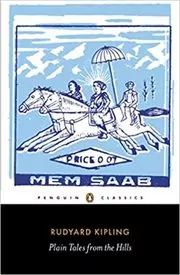
Plain Tales from the Hills
by Rudyard Kipling
1888
Kipling’s first major collection of short stories sketches the lives, scandals and small tragedies of British officials, soldiers and their families in late‑Victorian India. Sharp observation and dark humour run through portraits of characters like Mrs Hauksbee and the Soldiers Three.

The Man Who Would Be King
by Rudyard Kipling
1888
Kipling’s classic novella about two British adventurers who trek into remote Central Asia, set themselves up as rulers of a tribal kingdom and discover how quickly grandiose dreams of empire can turn deadly.
The Phantom Rickshaw
by Rudyard Kipling
1888
Headed by the eerie title story, this volume follows a man haunted by the ghost of a former lover’s rickshaw after her death. The other tales mix guilt, obsession and the supernatural, drawing on Kipling’s experiences in colonial India.
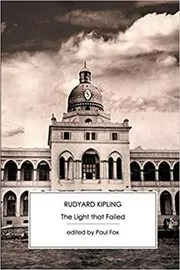
The Light That Failed
by Rudyard Kipling
1890
This novel follows Dick Heldar, a war artist whose growing blindness threatens both his career and his long, troubled love for the painter Maisie. Moving between Sudan campaigns and London studios, it probes art, ambition, friendship and loss.
Life's Handicap
by Rudyard Kipling
1891
A substantial collection of stories ranging from Anglo‑Indian society pieces to grim supernatural tales. Kipling explores misunderstandings between rulers and ruled, the strains of military life and the uncanny edge that can disturb everyday scenes.

The Return of Imray
by Rudyard Kipling
1891
A macabre detective‑style story featuring Strickland of the police. The mysterious disappearance of a civil servant ends with an unnerving discovery in the rafters of his bungalow and a quiet confession of murder.

Gunga Din and Other Favorite Poems
by Rudyard Kipling
1892
A small collection built around the famous barrack‑room ballad Gunga Din, gathering other much‑loved Kipling poems that mingle strong rhythms with portraits of soldiers, empire and everyday courage.
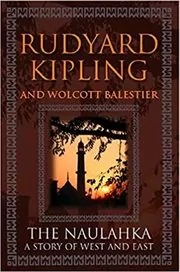
The Naulahka
by Rudyard Kipling
1892
Written with Wolcott Balestier, this adventure novel follows American reformer Kate Sheriff and fortune‑seeker Nick Tarvin to a princely Indian state. Their efforts to help women and secure a priceless necklace entangle them in palace politics and cultural clashes.
Barrack-Room Ballads
by Rudyard Kipling
1893
The classic sequence of poems voiced by ordinary British soldiers, including pieces such as Gunga Din and Mandalay. Mixing slang, marching rhythms and vivid storytelling, it captures barrack‑room humour, hardship and fatalism on imperial frontiers.
Many Inventions
by Rudyard Kipling
1893
A varied collection of short stories drawn from both India and England, mixing realistic sketches with early science‑fictional and uncanny pieces. Returning characters and tightly built plots explore pride in work, technology and empire.
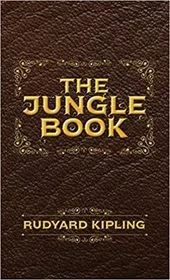
The Jungle Book
by Rudyard Kipling
1893
A collection of fables and adventures mostly set in the Indian jungle, following Mowgli, the man‑cub raised by wolves, alongside tales like Rikki-Tikki-Tavi and The White Seal. Together they explore courage, loyalty, law and belonging.
Recommended by
2 people Neil Gaiman recommended this book
Neil Gaiman
Neil Gaiman mentioned this book on "The Tim Ferriss Show" podcast.
Neil Gaiman's recommendation of this book  Richard Branson recommended this book
Richard Branson
Richard Branson recommended this book on his "70 must-read books" blog post.
Richard Branson's recommendation of this book

Rikki-Tikki-Tavi
by Rudyard Kipling
1894
A stand‑alone edition of the Jungle Book story about a brave young mongoose who defends a human family’s garden from cobras. Fast‑paced animal action and real peril make it a perennial favourite with younger readers.

The Second Jungle Book
by Rudyard Kipling
1895
This companion to The Jungle Book adds further Mowgli adventures, including battles with wild dog packs and the mystery of a jeweled ankus, alongside other Indian tales. It deepens Kipling’s jungle world and its demanding, sometimes ruthless Law.
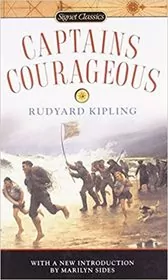
Captains Courageous
by Rudyard Kipling
1897
Spoiled millionaire’s son Harvey Cheyne is washed overboard an ocean liner and hauled aboard a New England fishing schooner. Forced to earn his keep on the Grand Banks, he learns seamanship, humility and a new sense of family through hard work and danger.
The Day's Work
by Rudyard Kipling
1898
A story collection focused on work well done, from bridge‑building in India and horse‑breaking to ships and locomotives that “find themselves.” Many tales give machines and animals distinct voices while celebrating skill, endurance and professionalism.

Indian Tales
by Rudyard Kipling
1899
A large omnibus of Kipling’s Indian short stories, including pieces such as The Man Who Would Be King and The Phantom Rickshaw. It portrays soldiers, officials and villagers amid the heat, gossip and dangers of the Raj.

Soldiers Three
by Rudyard Kipling
1899
Tales centred on three rank‑and‑file British soldiers—Mulvaney, Ortheris and Learoyd—whose comic banter and bravery on campaigns in India and beyond offer a ground‑level view of the late‑Victorian army and its small, messy wars.
The Story of the Gadsbys
by Rudyard Kipling
1899
Told almost entirely through dialogue, this short dramatic sequence follows Captain Gadsby and his young wife from flirtation through marriage to serious illness in British India. It begins as drawing‑room comedy but ends on a far more sobering note.

Under The Deodars
by Rudyard Kipling
1899
Linked stories set largely in the Himalayan hill station of Simla, where Anglo‑Indian society gossips, flirts and schemes beneath the deodar trees. Kipling balances light social comedy with glimpses of jealousy, compromise and quiet despair.

The Elephant's Child
by Rudyard Kipling
1900
A picture‑book version of the Just So story in which a ‘satiably curious elephant’s child journeys to the Limpopo River, has his nose pulled by a crocodile and ends up with the useful trunk elephants wear today.
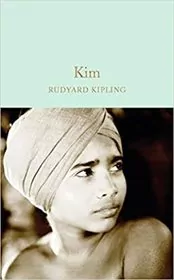
Kim
by Rudyard Kipling
1901
Kimball O’Hara, an orphan of Irish descent growing up on the streets and railways of British India, becomes both a spy’s apprentice and a Buddhist lama’s companion. The novel blends espionage, travelogue and coming‑of‑age story in one rich journey.
Recommended by
1 person Christopher Hitchens recommended this book
Christopher Hitchens
"[I] re-read it in one session, marveling again at how fine it is." - Christopher Hitchens
Christopher Hitchens's recommendation of this book
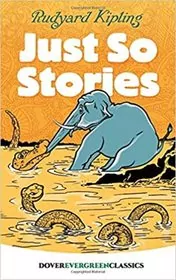
Just So Stories
by Rudyard Kipling
1902
Origin tales for children that explain how elephants got their trunks, leopards their spots and camels their humps. Written in rhythmic, conversational prose, they invite being read aloud and preserve the bedtime‑story voice Kipling used with his daughter.
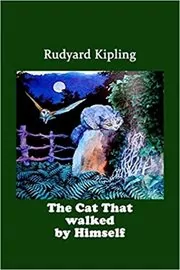
The Cat That Walked by Himself
by Rudyard Kipling
1902
A stand‑alone edition of the Just So story in which an independent, selfish cat slowly bargains its way into the cave of Man and Woman. It explains, with sly humour, why cats still behave as if they belong to nobody but themselves.
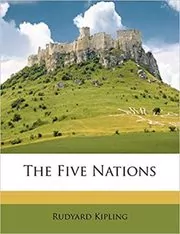
The Five Nations
by Rudyard Kipling
1903
A poetry collection reflecting on Britain and its self‑governing dominions at the start of the twentieth century. The verses include naval pieces, Boer War poems and political meditations in a muscular, ballad‑like style that can be both proud and uneasy.
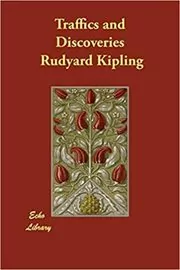
Traffics and Discoveries
by Rudyard Kipling
1904
Stories and poems that move from realistic army life to speculative fiction, including early motoring adventures, visions of future warfare and haunting tales like They and Mrs Bathurst. Together they explore memory, technology and ghostly presences.
They
by Rudyard Kipling
1905
A deeply atmospheric ghost story about a grieving motorist who stumbles upon a hidden country house apparently inhabited by the spirits of dead children. The encounter blends early motoring detail with an ambiguous, emotionally charged meditation on loss.
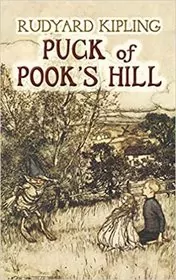
Puck of Pook's Hill
by Rudyard Kipling
1906
Linked stories in which Sussex children Dan and Una meet Puck, last of the People of the Hills, who conjures figures from England’s past to talk with them. The book turns local fields and lanes into portals onto Roman, Norman and later history.
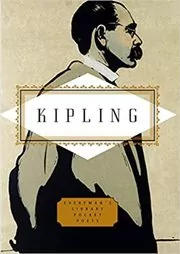
Kipling: Poems
by Rudyard Kipling
1907
A compact selection of Kipling’s verse, typically including favourites such as If—, Gunga Din and The Gods of the Copybook Headings. It offers a handy introduction to his range from barrack‑room voices to reflective late poems.

Actions and Reactions
by Rudyard Kipling
1909
Stories and poems ranging from English country houses to beehives and submarine patrols. Kipling shows how small choices reverberate through families, animals and empires, often revealing unexpected consequences and hidden loyalties.
With the Night Mail
by Rudyard Kipling
1909
A futuristic tale set in the year 2000, following an airship carrying mail across the Atlantic under the guidance of a global Aerial Board of Control. Rich in imagined technology and faux notices from the future, it helped shape early science fiction.
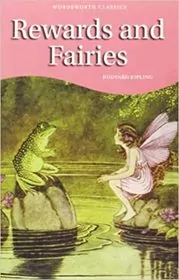
Rewards and Fairies
by Rudyard Kipling
1910
A sequel to Puck of Pook’s Hill in which Dan and Una again meet Puck and hear more tales from England’s past. Framed by poems such as If— and Cold Iron, the stories link magical encounters to questions of duty, courage and quiet change.

Sea Warfare
by Rudyard Kipling
1916
Essays and verse drawn from the First World War, describing destroyers, patrol craft and submarines in action. Kipling focuses on the routines, dangers and improvisations of naval crews rather than grand strategy.
A Diversity of Creatures
by Rudyard Kipling
1917
A varied later collection mixing political satire, ghost stories, animal fables and the science‑fictional sequel As Easy as A.B.C. Throughout, Kipling worries away at responsibility, crowd behaviour and the costs of modernity.
The Eyes of Asia
by Rudyard Kipling
1919
Four linked pieces cast as letters from Indian soldiers serving in Europe and the Middle East during the First World War. Through their imagined voices Kipling explores how men from the subcontinent might describe distant battlefields to families at home.
Rudyard Kipling's Verse
by Rudyard Kipling
1923
A substantial collected edition of Kipling’s poetry, gathering decades of work from early ballads and narrative pieces to later, more compressed meditations. It brings soldiers’ songs, children’s rhymes and public commemorative poems into one volume.

The Man Who Was
by Rudyard Kipling
1924
A powerful short story about a mysterious, broken ex‑soldier who appears at a British mess and proves to be a long‑lost comrade once thought dead in Russia. His return raises uneasy questions about loyalty, memory and the cost of survival.
Debits And Credits
by Rudyard Kipling
1926
One of Kipling’s most complex later collections, combining stories, poems and scenes from a play. It revisits war, Freemasonry, schooldays and myth in oblique, experimental forms that reward slow, attentive reading.
Limits And Renewals
by Rudyard Kipling
1932
Kipling’s final story collection pairs short fiction with poems to explore aging, faith, medicine and the lingering traces of war. The tone shifts between grim humour, compassion and a wary sense of possible renewal.

All The Mowgli Stories
by Rudyard Kipling
1933
This volume gathers all of Kipling’s tales about Mowgli—from his adoption by wolves to his return to human society—along with the poems that frame them. Arranged in story order, it offers a single, continuous arc of the man‑cub’s life.
Phantoms and Fantasies
by Rudyard Kipling
1965
An anthology of twenty of Kipling’s stranger tales, focusing on ghosts, curses, haunted landscapes and uncanny animals. It showcases the darker, more atmospheric side of his short fiction in a single volume.
Complete Verse
by Rudyard Kipling
1972
A comprehensive one‑volume edition of Kipling’s poems, presenting everything from barrack‑room ballads and children’s verses to First World War pieces and late, tightly wrought lyrics.

The Butterfly That Stamped
by Rudyard Kipling
1983
A Just So tale about King Solomon, the Queen of Sheba and a quarrelsome pair of butterflies. A boast about stamping one’s foot leads to vanishing gardens and a playful lesson in tact, pride and power.
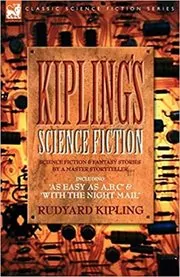
Kiplings Science Fiction
by Rudyard Kipling
1987
A themed collection of Kipling’s speculative tales, including stories of airship travel, futuristic world government and uncanny machines. It highlights his role as an early, often overlooked science‑fiction writer.
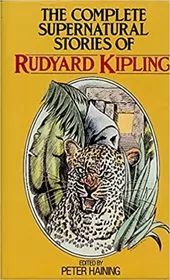
The Complete Supernatural Stories of Rudyard Kipling
by Rudyard Kipling
1987
This volume gathers Kipling’s full range of ghostly and uncanny fiction, from haunted houses and cursed relics to psychological chillers. It is aimed at readers drawn to the most unsettling corners of his imagination.
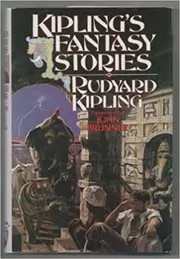
Kipling's Fantasy Stories
by Rudyard Kipling
1992
A curated selection of Kipling’s fantasy tales, edited by John Brunner, mixing Just So‑style mythmaking, ghost stories and mythological pieces. Together they show how often his work slips into the fantastic.
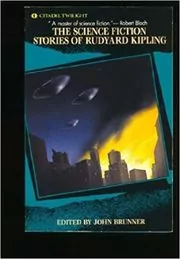
The Science Fiction Stories of Rudyard Kipling
by Rudyard Kipling
1994
Collects ten of Kipling’s speculative stories, such as The Eye of Allah and With the Night Mail, featuring time travel, advanced technology and alternate futures. Brief notes place each tale in its imaginative context.
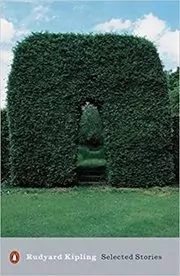
Selected Stories of Rudyard Kipling
by Rudyard Kipling
1999
A modern selection of Kipling’s best‑known and most challenging short fiction, spanning Indian sketches, supernatural tales and later experimental pieces. It offers a broad picture of his strengths and contradictions as a storyteller.

Rudyard Kipling
by Rudyard Kipling
2000
An illustrated selection of Kipling’s poems for young readers, presenting an accessible introduction with brief commentary and artwork. It gathers adventure ballads, animal pieces and gentler verses about childhood and nature.
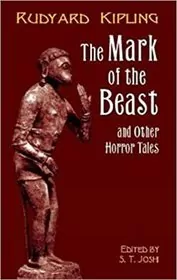
The Mark of the Beast
by Rudyard Kipling
2000
Usually issued as the lead piece in a short collection, this tale follows a drunken Englishman who desecrates a temple and seems to fall under a horrific curse. His friends are driven to a brutal confrontation with forces they barely understand.
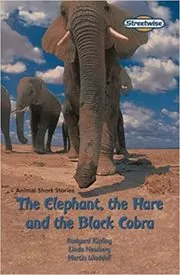
The Elephant, The Hare And The Black Cobra
by Rudyard Kipling
2003
A short volume of animal stories for younger readers, retelling three cautionary tales about an elephant, a clever hare and a deadly cobra. The simple narratives carry clear lessons about wit, bravery and the dangers of arrogance.

Victorian Short Stories of Troubled Marriages
by Rudyard Kipling
2005
An anthology that includes Kipling’s The Bronckhorst Divorce‑Case alongside stories by other Victorian writers. Together they examine unhappy marriages, betrayals and social pressures in the late‑nineteenth‑century world.

Strange Tales
by Rudyard Kipling
2006
A modern anthology of Kipling’s weirder stories, chosen for their elements of horror, fantasy and psychological unease. Expect ghosts, curses and disquieting glimpses of the uncanny in colonial and English settings.

Rudyard Kipling's Tales of Horror and Fantasy
by Rudyard Kipling
2008
A hefty collection of Kipling’s complete horror and dark‑fantasy fiction, from early Indian ghost stories to later psychological chillers. It underlines how often his imagination turns toward the eerie and disturbing.

Letters of Marque
by Rudyard Kipling
2009
Travel sketches first published as newspaper letters, recording Kipling’s journeys through Rajputana. He describes forts, rulers and desert landscapes with a mix of curiosity, irony and affection for local legend and everyday life.

How the Camel Got His Hump
by Rudyard Kipling
2012
An origin story about an idle camel who says ‘Humph!’ once too often and is given a hump so he can work without rest. It delivers a humorous fable about laziness, responsibility and making up lost time.

How the Elephant Got His Trunk
by Rudyard Kipling
2012
Another telling of the Elephant’s Child story, focusing on how an overly curious youngster’s encounter with a crocodile stretches his nose into the versatile trunk that lets elephants eat, drink, trumpet and swat.

How the Leopard Got His Spots
by Rudyard Kipling
2012
Kipling’s playful explanation of how a desert leopard and his hunter friend adapt to a new forest home, gaining spots to match the dappled shade. The tale uses bold images to show how creatures and environments shape each other.

How the Rhinoceros Got His Skin
by Rudyard Kipling
2012
A single Just So story telling how a greedy rhinoceros’s theft of a cake leads to his once‑smooth hide becoming wrinkled and itchy forever. It offers a mock‑myth about manners, revenge and lasting consequences.

Rudyard Kipling's Just So Comics
by Rudyard Kipling
2013
Graphic‑novel adaptations of Kipling’s Just So stories, turning his origin myths about whales, camels, elephants and more into short comic episodes created with a team of modern writers and artists.
Ten Stories
by Rudyard Kipling
2017
A later selection of ten of Kipling’s strongest short stories, chosen to showcase a thrilling mix of mystery, adventure, science fiction and psychological horror in concentrated form.
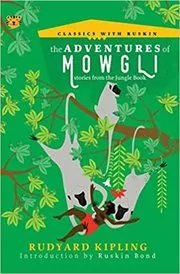
The Adventures of Mowgli
by Rudyard Kipling
2018
A retelling of Mowgli’s life in the jungle for younger readers, usually drawing on episodes from the Jungle Book stories. It turns the separate tales into a single narrative about the man‑cub raised by wolves and his battles with Shere Khan.
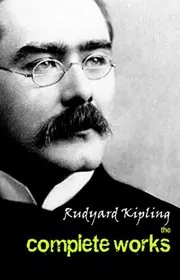
The Complete Works of Rudyard Kipling
by Rudyard Kipling
Recommended by
1 person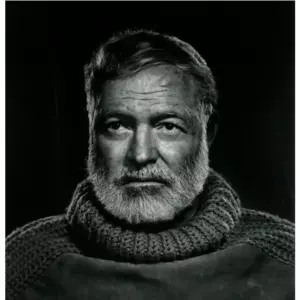 Ernest Hemingway recommended this book
Ernest Hemingway
Ernest Hemingway recommended this book in the "Ernest Hemingway on Writing" book.
Ernest Hemingway's recommendation of this book
Where to start with Rudyard Kipling
If you're new to Kipling and want his famous stories: The Jungle Book → The Second Jungle Book → Kim
If you like short fiction about British India: Plain Tales from the Hills → Life's Handicap → Indian Tales
If you enjoy sea stories and travel: Captains Courageous → The Day's Work → Sea Warfare
If you want to sample the poetry first: Barrack-Room Ballads → Kipling: Poems → Rudyard Kipling's Verse
If you're here for children's classics: Just So Stories → The Jungle Book → The Elephant's Child → Rikki-Tikki-Tavi
Rudyard Kipling sub-series and character series
Rudyard Kipling collections, short stories, and related book types
Short Stories/Novellas
Short Story Collections
Picture Books
Non-Fiction
Graphic Spin Books
Poetry Books
Everyman's Library Pocket Poets
Poetry for Young People
Tales of Mystery & The Supernatural
Standalone Rudyard Kipling books
Author bio
Rudyard Kipling was born on 30 December 1865 in Bombay, in what was then British India, to John Lockwood Kipling, an artist and teacher, and Alice Kipling, who came from a lively, close‑knit family of gifted sisters.
He spent his early childhood among the sounds and languages of the city, cared for by Indian nurses and surrounded by street life that would later reappear in his stories. Those first years gave him an easy ear for Hindi phrases and an affection for India that never quite left him.
At the age of five he was sent to England with his younger sister to board with strangers in Southsea. The house, which he later called the 'House of Desolation', was a harsh place, and he endured neglect and bullying there until his parents intervened. The mixture of loneliness, terror and private make‑believe from those years runs just under the surface of more than one later tale.
From there Kipling went on to a modest boarding school in Devon, where he edited the school paper and began to treat writing as something more than daydreaming. University was not an option, so at sixteen he returned to India to work as a junior journalist on the Civil and Military Gazette in Lahore.
Newspaper work meant long hours, low pay and a steady stream of raw material. He travelled by train, met soldiers, civil servants and shopkeepers, and poured their voices into tight, vivid sketches. The short pieces he wrote after hours became the core of Plain Tales from the Hills and other early collections that first made his name.
By his mid‑twenties he had moved to London, published highly popular stories and poems about British India, and begun to write the works most readers now know best: the animal fables of The Jungle Book and The Second Jungle Book, the school and spy story Kim, the children’s origin tales in Just So Stories, and the marching‑rhythm poems later gathered as Barrack‑Room Ballads.
In 1892 he married Caroline (Carrie) Balestier, an American friend’s sister, and the couple settled for several years in rural Vermont. There he wrote at a furious pace, producing the Jungle Books and the sea story Captains Courageous while adjusting to snow, newborn children and the odd position of being a British imperial writer living in New England.
After family and financial troubles the Kiplings settled in Sussex, in a seventeenth‑century house called Bateman’s. The fields and lanes around it became the setting for the time‑slip tales in Puck of Pook’s Hill and Rewards and Fairies. In 1907 he received the Nobel Prize in Literature, the first English‑language writer to do so, recognised not for one book but for a steady body of work that had already gone round the world.
Kipling’s later life was marked by public honours and private grief. His daughter Josephine died of illness when she was still a child, and his only son, John, was killed in the First World War. Kipling threw himself into war reporting, memorial work and increasingly sombre stories and poems, many of them collected in Debits and Credits and Limits and Renewals.
He died in London on 18 January 1936 and was buried in Poets’ Corner in Westminster Abbey. Today readers still come to him for brisk storytelling, sharply drawn soldiers and artisans, unforgettable children’s tales and unsettling ghost stories, while continuing to argue about the imperial attitudes that run through so much of his work.






Edited by
Software engineer whose passion for tracking book recommendations from podcasts inspired the creation of MRB.
Lead investor at 3one4 Capital whose startup expertise and love for books helped shape MRB and its growth.
Comments
Did we miss something? Have feedback?
Help us improve this page by sharing your thoughts