
Roy Rickman Books in Order
Part ofBill James Books in OrderBrowse the Roy Rickman books in order by Bill James, with quick summaries, series background, and help choosing where to start.
Last updated:
As an Amazon Associate, we earn from qualifying purchases (at no extra cost to you).
Roy Rickman books in publication order
3 books

The Alias Man
by Bill James
1968
The first Roy Rickman thriller sets out James's wary intelligence world, full of aliases, pressure, and shifting power. It is an early political spy novel with a cool, distrustful edge.

Message Ends
by Bill James
1969
Roy Rickman returns in an ingenious spy sequel where incomplete messages and political maneuvering keep everyone off balance. The danger lies as much in official ambiguity as in the enemy.

Contact Lost
by Bill James
1970
Roy Rickman is pulled into another cold game of secrecy and divided loyalties. In the world James builds here, broken communication can be as dangerous as open betrayal.
Roy Rickman books in chronological order
Series background & context
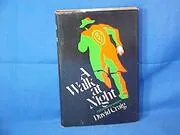
The Roy Rickman books are Bill James, writing as David Craig, in early spy-thriller mode. They are leaner than the later Harpur novels and more openly political. Names, covers, aliases, and official language all matter here, because these stories live in the world of intelligence work, where the wrong phrase can be as dangerous as a gun.
Rickman moves through a Britain nervous about power, secrecy, and the changing shape of public life. These are not gadget-heavy adventures. They are about pressure, surveillance, bureaucracy, and the way private motives leak into public operations. Even when the action sharpens, James keeps returning to the small calculations people make when they are frightened, ambitious, or only half sure who is really giving the orders.
That gives the series a cold, wary feel.
Across The Alias Man, Message Ends, and Contact Lost, the main tension is not just whether a mission will work. It is whether anyone involved can really trust the people supposedly on the same side. Orders shift. Information arrives late or slanted. Official loyalties prove slippery. Rickman has to work in that fog and decide what duty means when the institutions around him seem only partly honest.
Readers coming from Harpur and Iles will still recognise the authorial habits. The dialogue is clipped. The humor is dry. Authority is never treated with much reverence. But the scale is different. These books are tighter, more political, and more interested in the uneasy overlap between the secret state and everyday life.
They also show how early James found the themes he would keep returning to for decades. Systems fail. Professionals improvise. The clean version of events is usually false.
If you want the best way in, begin with The Alias Man and read straight through. The series is short, but it has a cumulative feel, and part of the pleasure is watching Rickman move through a world where every message seems incomplete and every identity may be provisional.







Edited by
Software engineer whose passion for tracking book recommendations from podcasts inspired the creation of MRB.
Lead investor at 3one4 Capital whose startup expertise and love for books helped shape MRB and its growth.
Comments
Did we miss something? Have feedback?
Help us improve this page by sharing your thoughts