
Rosie Lewis Books in Order
See all Rosie Lewis books in order, with short summaries and reading suggestions to help you pick the best starting point for her fostering memoirs.
Last updated:
As an Amazon Associate, we earn from qualifying purchases (at no extra cost to you).
Rosie Lewis books in publication order
10 books
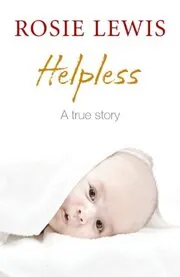
Helpless
by Rosie Lewis
2013
Baby Sarah is born on a freezing December night to a mother addicted to crack, and Rosie is called in the early hours to take her to safety. As severe withdrawal grips the newborn, Rosie struggles to balance professional distance with overwhelming protectiveness.
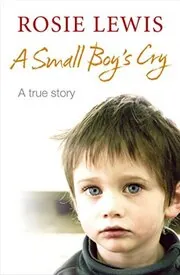
A Small Boy's Cry
by Rosie Lewis
2014
After toddler Charlie falls from a second-floor window while his mother uses drugs inside, police bring the injured boy first to hospital and then to Rosie’s home. As Charlie slowly relaxes, fragments of his short, chaotic life reveal a much deeper pattern of neglect.
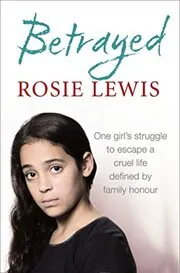
Betrayed
by Rosie Lewis
2014
Thirteen-year-old Zadie runs away from home and is found hiding on city streets, terrified of going back. Placed with Rosie, she has been raised to mistrust outsiders, and her silence about family honour hides a shocking past that may still control her future.
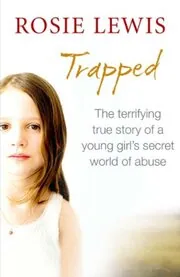
Trapped
by Rosie Lewis
2014
Phoebe, a nine-year-old girl thought to be autistic, is taken from her comfortable home after a worrying comment at school and placed with Rosie. Violent outbursts and self-harm soon hint at years of hidden abuse, forcing Rosie to question everything she has been told.
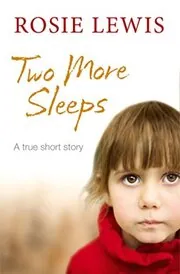
Two More Sleeps
by Rosie Lewis
2014
Young Angell adores her troubled mother Nicki, but love isn’t enough to keep her safe. After the little girl is found abandoned under a park bench on a freezing day, Rosie offers her stability while wondering whether Angell’s mother will ever truly come back.
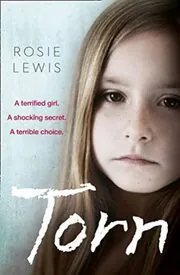
Torn
by Rosie Lewis
2015
Teenager Taylor and her younger brother Reece come to Rosie for a short stay, but nothing about their behaviour feels temporary. Taylor pushes everyone away while Reece clings to any scrap of affection. As online messages and threats emerge, Rosie races to expose the danger stalking them.
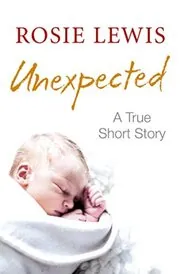
Unexpected
by Rosie Lewis
2015
When twenty-eight-year-old Ellen gives birth unexpectedly and leaves her newborn in the hospital, Rosie is asked to visit tiny Hope and then bring her home. As Ellen starts daily visits, Rosie realises the young mother is haunted by a secret that could tear them apart.
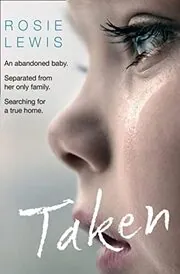
Taken
by Rosie Lewis
2016
Rosie agrees to care for Megan, a newborn with a drug addiction and a cleft palate, until the baby can be adopted. As their bond deepens, Rosie’s wish to become Megan’s permanent mother clashes with a system that sends the child elsewhere.
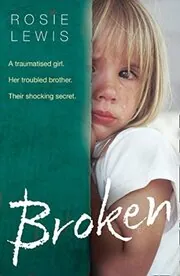
Broken
by Rosie Lewis
2017
After a violent incident at home, nine-year-old Archie and his five-year-old sister Bobbi arrive at Rosie's house under emergency protection. Archie jokes to avoid serious talk while Bobbi lashes out, and Rosie slowly uncovers the devastating secret that damaged them both.
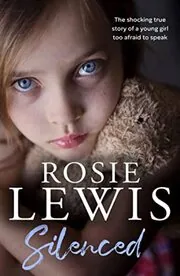
Silenced
by Rosie Lewis
2022
Nine-year-old Caitlin stops speaking after she and her siblings are sent to live in their grandparents' chaotic home. When foster carer Rosie steps in, she must earn Caitlin's trust and uncover the buried family secret that keeps the girl silent.
Where to start with Rosie Lewis
If you want her core memoir arc: Trapped → Betrayed → Taken → Broken
If you're drawn to stories of secrets and hidden abuse: Trapped → Torn → Silenced
If you prefer short, powerful reads: Helpless → A Small Boy's Cry → Two More Sleeps → Unexpected
If you'd like to focus on culture, honour and identity: Betrayed → Taken
Rosie Lewis collections, short stories, and related book types
Non-Fiction Books
Author bio
Rosie Lewis is the pen name of a British foster carer who writes about the children who have passed through her home. Her memoirs follow real placements, with names and details changed so that the young people at their heart stay protected.
Rosie has spent almost two decades working as a full-time foster carer in the north of England. Before that, she served in a specialist unit within the police, an experience that taught her how systems work—and how easily vulnerable families can slip through the gaps. Moving from the front line of policing into foster care, she swapped a uniform for the everyday routines of school runs, hospital visits and late-night social worker calls.
Over the years she has welcomed well over a hundred children into her home. Some have stayed only a night or two in emergency placements; others have become part of the family for months or years. Rosie is also an adoptive parent, raising three children alongside her fostering work and the constant coming and going that brings.
Fostering came first; the books followed later.
Her first published piece, the short story Helpless, grew out of a winter night when she was called to collect a newborn whose mother was addicted to crack cocaine. That case, and others like it, convinced her there was value in putting these experiences on the page—not to sensationalise them, but to show what life in the care system looks like from the inside.
In Trapped, her debut full-length memoir, Rosie writes about Phoebe, a nine-year-old girl whose apparent autism masks years of abuse hidden behind a respectable front door. Betrayed follows Zadie, a teenager trying to break free from a rigid code of family honour, while Taken centres on Megan, a baby born dependent on drugs and in need of a permanent home. Later books such as Torn, Broken and Silenced continue this work, exploring how secrets, social media and silence can shape a child’s behaviour long after the crisis has passed.
Readers often come to her books for the difficult subjects—neglect, domestic violence, addiction, honour-based control—but stay for the small, ordinary moments: a child choosing new pyjamas, a shared joke over dinner, the first time someone dares to sleep through the night. Rosie writes about paperwork and case conferences as plainly as she writes about fear, giving a rounded picture of what fostering actually involves.
Because many of her stories are drawn so closely from real life, Rosie keeps her own identity out of the spotlight. Writing under a pseudonym lets her be specific about emotions and day-to-day scenes while changing names, locations and details so the children she cares for remain anonymous. Her style is straightforward and warm, with a focus on clear storytelling rather than literary flourish.
Alongside her writing, she continues to foster in the north of England, with a particular interest in attachment disorders and in finding ways to communicate with children who are deaf or have limited speech. Most days still revolve around school runs, meetings and bedtime stories—then, when the house is finally quiet, she turns those experiences into the narratives that carry her name.






%20-%20A%20Miscellany%20of%20Advice%20and%20Opinions.jpg)





Edited by
Software engineer whose passion for tracking book recommendations from podcasts inspired the creation of MRB.
Lead investor at 3one4 Capital whose startup expertise and love for books helped shape MRB and its growth.
Comments
Did we miss something? Have feedback?
Help us improve this page by sharing your thoughts