
Rose Trilogy Books in Order
Part ofBeverly Lewis Books in OrderDiscover the Rose Trilogy by Beverly Lewis in order, with short summaries, series background, and a simple guide to starting this emotional Amish drama.
Last updated:
As an Amazon Associate, we earn from qualifying purchases (at no extra cost to you).
Rose Trilogy books in publication order
3 books

The Thorn
by Beverly Lewis
2010
A painful past, like a thorn, keeps catching on the present in an Amish community. As secrets and old choices resurface, a family has to face the damage honestly, and decide whether love can outlast shame.
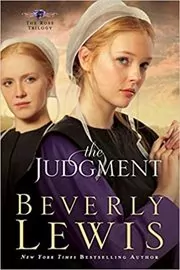
The Judgment
by Beverly Lewis
2011
When a community decides what someone deserves, the cost can be personal and lasting. This installment digs into consequences, difficult conversations, and the struggle to keep faith and compassion intact under pressure.

The Mercy
by Beverly Lewis
2011
Healing does not come quickly when the past has hurt so many people. As relationships are tested and rebuilt, the story asks what mercy looks like in practice, and whether forgiveness can make room for a future that feels new.
Rose Trilogy books in chronological order
Series background & context
The Rose Trilogy is one of Beverly Lewis's quieter, more emotional Amish dramas, told across The Thorn, The Judgment, and The Mercy. These books focus on the long echoes of choices, especially the kind of choices people make when they are young, scared, or trying to protect someone they love.
At the center is an Amish family, and two women whose lives have been shaped by secrets and by the way their community responds to those secrets. One of the strengths of this trilogy is that it does not treat pain like a single event. A harsh word can keep hurting years later. A hidden truth can shape an entire household. And a public judgment can feel impossible to outgrow.
In these books, mercy is not a quick fix.
The story moves through the tension between private faith and public expectations. Characters are pulled between loyalty to family, loyalty to church leadership, and loyalty to the quiet voice inside that says something is not right. When people talk about what is proper, what is plain, and what is sinful, it is never just a theological debate. In this world, church discipline can mean separation, loss of reputation, or being kept at arm’s length by the people you grew up with. It is about where someone gets to live, who gets to marry, and whether a person can be welcomed at the table.
Romance is present, but the larger arc is about consequences and repair. The books ask what it takes to confess, what it takes to forgive, and what it takes to accept forgiveness. As the trilogy progresses from The Thorn to The Judgment and finally to The Mercy, the emotional focus shifts from raw hurt to reckoning and, eventually, to the possibility of healing that does not erase the past.
The setting matters, too. In a small Amish settlement, everyone knows everyone, and people are connected across generations. That closeness can be comforting, and it can be suffocating. It also means that change is slow, because it has to happen in public, one conversation at a time.
Read the three books in order, since each one builds on the last and the relationships evolve with every hard truth that comes to light. If you enjoy Amish fiction that leans more toward character and moral tension than toward fast action, the Rose Trilogy is a steady, thoughtful read. It is a slow-burn emotional arc.












Edited by
Software engineer whose passion for tracking book recommendations from podcasts inspired the creation of MRB.
Lead investor at 3one4 Capital whose startup expertise and love for books helped shape MRB and its growth.
Comments
Did we miss something? Have feedback?
Help us improve this page by sharing your thoughts