
Rome (Manda Scott) Books in Order
Part ofManda Scott Books in OrderSee the Rome series by Manda Scott in order, with quick summaries, series background, and an easy guide to starting these ancient world spy novels.
Last updated:
As an Amazon Associate, we earn from qualifying purchases (at no extra cost to you).
Rome (Manda Scott) books in publication order
4 books

The Emperor's Spy
by Manda Scott
2010
In 54 AD, Sebastos Pantera is dragged back toward Nero's Rome to stop a plot that could set the empire ablaze. Politics, prophecy and espionage make every alliance dangerous.

The Coming of the King
by Manda Scott
2011
After the fire of Rome, Pantera hunts his enemy across desert lands and into Judea. Rebellion is building, and stopping one man may be the only way to keep a province from ruin.

The Eagle of the Twelfth
by Manda Scott
2012
Young legionary Demalion of Macedon finds purpose in Rome's unluckiest legion. When the Twelfth loses its eagle in Judaea, he must go undercover into Jerusalem to win back its honour.

The Art of War
by Manda Scott
2013
Rome, AD 69. Pantera returns during the Year of the Four Emperors, using bribery, blackmail and deception to shape the coming struggle, while a traitor close to him threatens everything.
Rome (Manda Scott) books in chronological order
Series background & context
The Rome books are historical thrillers, but they move like spy novels. Most of the series follows Sebastos Pantera, a spy whose name means leopard, as he works in the dangerous space between emperors, rebels, soldiers and religious movements in the first century AD. These are books about intelligence, infiltration and survival as much as they are about armies.
In The Emperor's Spy and The Coming of the King, Pantera is pulled through Nero's Rome, Gaul, desert territories and Judea while trying to stop plots that could tip the empire into chaos. He is sharp, compromised and never fully safe, which gives the books their tension. Scott is interested in how information moves, how power hides itself, and how one person can be useful to rulers without ever belonging to them.
Nobody gets to stand outside history.
The Eagle of the Twelfth broadens the world by shifting the centre of gravity to Demalion of Macedon, a young legionary in the hard-luck Twelfth Legion. That change works well because it shows the empire from the rank-and-file side, where loyalty, pride and unit identity matter just as much as grand politics. By the time The Art of War returns to Pantera in the Year of the Four Emperors, the series has earned its larger view of Rome as a machine built on ambition, secrecy and force.
The setting is one of the pleasures here. Scott writes Rome and its provinces as connected worlds, not as a single marble backdrop. Ports, camps, courts, deserts, battlefields and city streets all have their own pressures. Judea matters differently from Rome. Hyrcania feels different again. The geography keeps reminding you that empire is something people have to live inside.
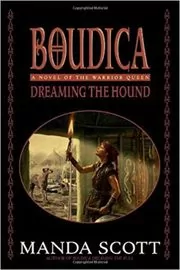
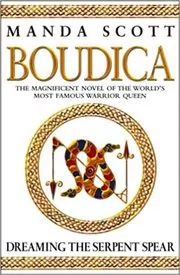
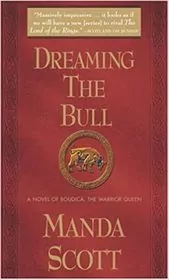
These books also sit in conversation with the Boudica novels. Some characters and consequences cross over, so readers who know that earlier series will spot echoes, but the Rome books are doing their own thing. They are leaner, harder and more openly political, with a sharper focus on espionage, sectarian conflict and state violence.
If you want ancient history with momentum, moral grey areas and a real sense of covert work, this is the Scott series to try. Even when swords are out, the real battle is often over information, allegiance and who can shape the story before the empire does.









Edited by
Software engineer whose passion for tracking book recommendations from podcasts inspired the creation of MRB.
Lead investor at 3one4 Capital whose startup expertise and love for books helped shape MRB and its growth.
Comments
Did we miss something? Have feedback?
Help us improve this page by sharing your thoughts