
Romanov Trilogy Books in Order
Part ofEvelyn Anthony Books in OrderFind the Romanov Trilogy books in order by Evelyn Anthony, with summaries, series background, reading order, and easy guidance on where to begin.
Last updated:
As an Amazon Associate, we earn from qualifying purchases (at no extra cost to you).
Romanov Trilogy books in publication order
3 books

Imperial Highness
by Evelyn Anthony
1953
Born in obscurity, young Augusta Fredericka is sent to Russia and transformed into Catherine the Great. Court plotting, a disastrous marriage, and her own hunger for power drive this opening chapter of Anthony's Romanov saga.
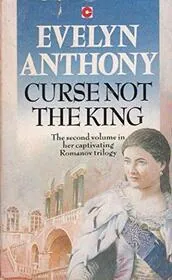
Curse Not the King
by Evelyn Anthony
1954
Years after taking the throne, Catherine the Great finds her fiercest enemy may be her own son, Paul. This second Romanov novel is a tense family struggle over inheritance, memory, and the meaning of power.

Far Fly the Eagles
by Evelyn Anthony
1955
As Napoleon turns toward Russia, Tsar Alexander I faces danger abroad and treachery at court. Anthony blends dynastic tension, imperial politics, and personal conflict into a vivid historical novel of the Romanov world.
Romanov Trilogy books in chronological order
Series background & context
The Romanov Trilogy is Evelyn Anthony in full historical mode, broad in scale, intimate in feeling, and very interested in the point where family and power become impossible to separate. Across The Rebel Princess, Curse Not the King, and Far Fly the Eagles, she follows the Russian imperial line from the rise of Catherine the Great through the fraught years that lead into Napoleon's war with Russia.
This is dynasty as pressure, not pageant.
The opening book begins with the young German princess who will become Catherine the Great. Anthony leans into the shock of arrival, a foreign court, a disastrous marriage, endless scrutiny, and the need to learn quickly or be crushed. Catherine's rise never feels neat or preordained. It feels risky, lonely, and costly, which is one reason the novel still moves so well.
Curse Not the King shifts the focus to the long, bitter struggle between Catherine and her son Paul. That change is important. The trilogy is not just about one woman taking power. It is about what happens after the victory, how resentment hardens inside a ruling family, how succession poisons intimacy, and how a mother and son can carry entirely different versions of the same history. Anthony keeps the politics clear, but she never loses sight of the hurt underneath them.
Far Fly the Eagles opens the frame wider with Alexander I and the threat posed by Napoleon. Now the stakes are not only inside the palace. They are European. Anthony moves between court intrigue, diplomacy, military pressure, and private relationships, showing how the Romanovs carry family tensions straight into continental crisis. The result feels larger without becoming distant.
No one in these books gets a quiet life.
What makes the trilogy work is its balance. There is romance, there is scandal, and there are plenty of vivid court scenes, but Anthony never forgets succession, religion, war, reform, and the sheer burden of ruling a giant empire. Readers who like royal fiction with momentum will find a lot here. Readers looking for a dry procession of facts probably will not.
Read the books in order. Much of the pleasure comes from watching the dynasty change shape from one novel to the next, and from seeing Anthony turn famous historical figures into recognizable human beings with blind spots, tempers, ambitions, and private wants. The rooms are grand, the costumes are grander, but the engine is always human. That is what keeps this trilogy readable, and what makes it such a good entry point into Anthony's historical fiction.














Edited by
Software engineer whose passion for tracking book recommendations from podcasts inspired the creation of MRB.
Lead investor at 3one4 Capital whose startup expertise and love for books helped shape MRB and its growth.
Comments
Did we miss something? Have feedback?
Help us improve this page by sharing your thoughts