
Roderick Thorp Books in Order
Explore Roderick Thorp's books in order, with summaries, series notes, and guidance on where to start with his crime novels and the stories behind Die Hard.
Last updated:
As an Amazon Associate, we earn from qualifying purchases (at no extra cost to you).
Roderick Thorp books in publication order
14 books
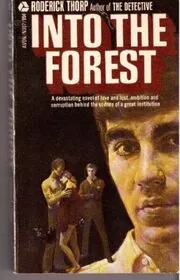
Into the Forest
by Roderick Thorp
1961
War veteran Charlie Cumberland heads to an upstate college hoping to rebuild his life after combat. Through his tangled relationships with vulnerable Alice, distant Elaine, and ruthless fraternity star Cal, he discovers new ways people can wound one another without ever pulling a trigger.
The Detective
by Roderick Thorp
1966
Decorated ex-fighter pilot turned cop Joe Leland is now a private investigator when a young widow asks him to look into her husband's apparent suicide. As he follows the trail, the case drags him back to an old murder and makes him question his most celebrated conviction.
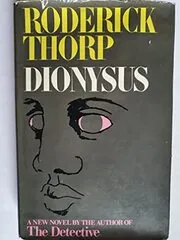
Dionysius
by Roderick Thorp
1969
A young Black jazz musician returns to the United States after years as an expatriate in Europe and finds a country that loves his music but resents his independence. As he tours clubs and confronts family expectations, he is forced to decide who he really wants to be.
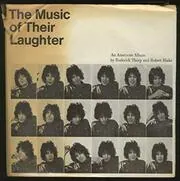
The Music of Their Laughter
by Roderick Thorp
1970
A hybrid of reportage and oral history, this book collects interviews with American high school and college students at the turn of the 1970s. Their stories of family, protest, work, and hope sketch a restless generation pushing hard against inherited rules.
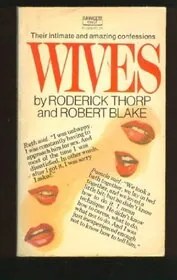
Wives
by Roderick Thorp
1972
In this investigative crime novel, Thorp and coauthor Robert Blake follow several Los Angeles wives whose polished suburban lives hide secrets, infidelity, and mounting danger. As a tangled case unfolds, their marriages and loyalties are tested in ways none of them expect.
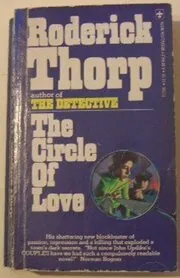
The Circle of Love
by Roderick Thorp
1974
Set among wealthy Americans whose lives overlap at work, at home, and in bed, this novel traces a web of affairs, betrayals, and second chances. Thorp slowly reveals how desire, money, and self deception can trap people inside a circle they cannot easily leave.
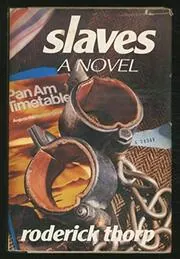
Slaves
by Roderick Thorp
1977
A young man made rich by childhood tragedy drifts through Europe in search of meaning and pleasure. His fascination with power and possession leads him into buying two women as slaves, and the journal he keeps becomes a disturbing record of obsession and moral collapse.
Westfield
by Roderick Thorp
1977
Spanning more than a century, this family saga follows slum orphan Michael Monk, adopted into the powerful Westfield clan, and the generations that inherit his appetites. From Gilded Age dining rooms to modern motels, the story charts how ambition, money, and bad choices echo through a dynasty.
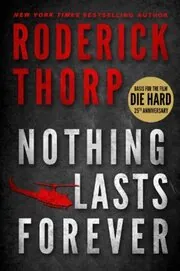
Nothing Lasts Forever / Die Hard
by Roderick Thorp
1979
Retired New York detective Joe Leland flies to Los Angeles to visit his daughter at a Christmas Eve office party in a glittering tower. When terrorists seize the building and take hostages, he must fight them alone, barefoot and outgunned, in the novel that inspired Die Hard.
Jenny and Barnum
by Roderick Thorp
1981
Part historical romance, part show business tale, this novel reimagines the American tour of soprano Jenny Lind under promoter P. T. Barnum. Between packed concert halls, backstage intrigue, and Tom Thumb's complicated love life, feelings grow that could upend reputations on both sides of the Atlantic.
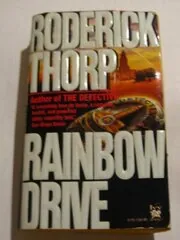
Rainbow Drive
by Roderick Thorp
1986
Los Angeles homicide detective Michael Gallagher has never forgotten the suspicious hit and run that killed his crusading father. Years later, a multiple murder on Rainbow Drive pulls him into a cover up that reaches powerful offices, forcing him to risk his career to uncover the truth.
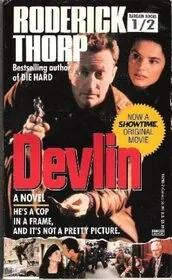
Devlin
by Roderick Thorp
1992
Frank Devlin is a New York detective whose decision to get sober stalled his career but gave him a fragile peace. When a junkie informant guns down Devlin's former brother in law, now a rising politician, suspicion falls on Devlin, and he must unravel a lethal conspiracy to clear his name.

River
by Roderick Thorp
1995
Inspired by the real Green River killings, this thriller follows Seattle vice detective Phil Boudreau as he pursues a charming, deeply twisted suspect he once helped put away. Thorp cuts between hunter and hunted, exploring obsession on both sides as the victim count rises.
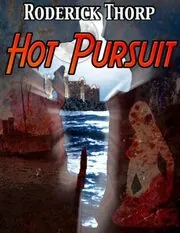
Hot Pursuit
by Roderick Thorp
2014
Coast Guard officer Sam Merrill becomes a national hero after discovering a deserted yacht stuffed with drugs, cash, and gold. Sent on a dream vacation as a reward, he is plunged into a nightmare when his wife is kidnapped, forcing him into a frantic chase from the Bahamas to cartel strongholds.
Where to start with Roderick Thorp
If you want Joe Leland's full arc: The Detective → Nothing Lasts Forever / Die Hard
If you love Die Hard and want the novel: Nothing Lasts Forever / Die Hard
If you prefer gritty L.A. police stories: Rainbow Drive → Devlin
If you're drawn to true-crime inspired thrillers: River
If you're curious about Thorp beyond crime: Into the Forest → Westfield
Roderick Thorp sub-series and character series
Standalone Roderick Thorp books
Author bio
Roderick Thorp grew up in the Bronx and turned a working life in real detective work into some of the most vivid crime fiction of the late twentieth century. Born on September 1, 1936, he came of age in New York City at a time when the streets, courts, and precinct houses he later wrote about were changing fast.
He studied at City College of New York, where short stories earned him campus prizes and suggested that writing might be more than a hobby. After graduation he tried on a string of day jobs, selling cars, working in a men's clothing store, helping start a catering business, and spending time in the insurance world, before drifting back to what interested him most, stories about people under pressure.
The turning point came when he went to work for his father, who owned a small private detective agency. Following people through city streets, sitting in parked cars for hours, and seeing how investigations actually unfolded gave him material he could not have invented at a desk. Those years taught him how cops talk, how clients lie, and how lonely the job can be.
In 1961 he published Into the Forest, a campus novel about a veteran trying to find his way after war, but his real breakthrough arrived with The Detective in 1966. The book introduced Joe Leland, a decorated ex-fighter pilot turned New York cop whose biggest case forces him to question his own past. A film version starring Frank Sinatra followed two years later and put Thorp in front of both crime readers and movie producers.
He returned to Leland more than a decade later in Nothing Lasts Forever, a tense Christmas Eve hostage story set in a Los Angeles skyscraper. The novel found a second life when it was reissued under the title Die Hard and adapted into the 1988 action film. The movie changed names and details, but the core idea, one stubborn man alone in a tower full of gunmen, remained Thorp's.
Alongside the Leland books he wrote widely and restlessly. Dionysius follows a young Black jazz musician searching for identity in a segregated America. The Music of Their Laughter and Wives, both created with collaborator Robert Blake, draw on interviews and reportage to capture the voices of teenagers and suburban spouses. Novels such as Slaves, The Circle of Love, and Westfield push beyond the crime genre to explore obsession, class, and family over many years.
Crime always pulled him back. In the 1980s and 1990s he turned his eye to Los Angeles and the Pacific Northwest in books like Rainbow Drive, Devlin, River, and Hot Pursuit, blending police procedure with political scandal, serial murder, and the drug trade. Reviewers often noted the way he grounded even the wildest plots in believable detail drawn from real investigations and courtrooms.
Teaching ran alongside the novels. Thorp spent much of the early 1970s at Ramapo College in New Jersey, where he helped build a creative writing program and taught literature courses. After moving to California he lectured at schools and writers' conferences, ran a writers' conference in the desert, and later in life mentored aspiring authors online, one manuscript at a time.
He also spent a stretch as a crime reporter, writing a long series on cocaine trafficking for a Los Angeles newspaper, work that fed directly into his fiction. Friends and colleagues described him as plainspoken and modest, someone who liked ordinary cars and unremarkable cigarettes more than displays of success. His characters share that streak, men and women who do difficult jobs, make mistakes, and keep going anyway.
Thorp died of a heart attack at his home in Oxnard, California, on April 28, 1999, at sixty two. He left behind his wife, Claudia, two sons, and several grandchildren, along with a shelf of novels that still feel closely tied to real streets and real fears. Readers who come to him through Die Hard often stay for the quieter, more haunted corners of his work, where the suspense never fully lets go even after the last page.




Edited by
Software engineer whose passion for tracking book recommendations from podcasts inspired the creation of MRB.
Lead investor at 3one4 Capital whose startup expertise and love for books helped shape MRB and its growth.
Comments
Did we miss something? Have feedback?
Help us improve this page by sharing your thoughts