
Robert Macfarlane Books in Order
Explore Robert Macfarlane books in order, with short summaries and a guide to the series and standalone titles to help you choose where to start reading.
Last updated:
As an Amazon Associate, we earn from qualifying purchases (at no extra cost to you).
Robert Macfarlane books in publication order
15 books
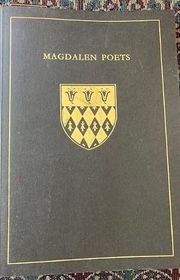
Magdalen Poets
by Robert Macfarlane
2000
Edited by Robert Macfarlane, this anthology gathers five centuries of poetry associated with Magdalen College, Oxford. Poems and accompanying biographical material bring writers from different periods together through their shared connection with the college.
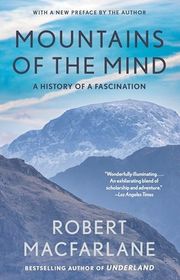
Mountains of the Mind
by Robert Macfarlane
2003
Macfarlane explores why mountains came to fascinate the Western imagination despite the dangers of climbing them. Cultural history, geology and his own journeys trace the changing desire to reach summits, culminating in the story of George Mallory’s Everest expeditions.
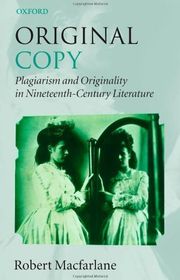
Original Copy
by Robert Macfarlane
2007
Macfarlane examines how nineteenth-century writers understood originality and borrowed from one another. Moving through literature, criticism and other intellectual traditions, he traces changing attitudes to plagiarism and shows how those debates became creative resources within Victorian writing.
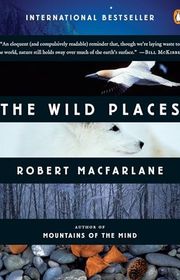
The Wild Places
by Robert Macfarlane
2007
Seeking wildness in Britain and Ireland, Macfarlane walks, climbs and swims through remote and overlooked landscapes. Nights spent outdoors and encounters with local histories lead him to question what a wild place is and why such places matter.
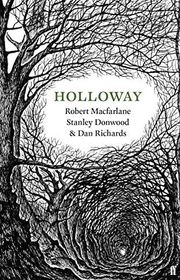
Holloway
by Robert Macfarlane
2012
Journeys into Dorset’s sunken paths connect Macfarlane’s earlier walk with Roger Deakin to a later return with Dan Richards and Stanley Donwood. Their collaborative account explores the landscape’s shadows, layered history and the traces of those who have travelled through it.
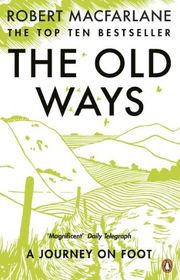
The Old Ways
by Robert Macfarlane
2012
Following ancient paths across Britain and beyond, Macfarlane explores how walking connects landscape, memory and imagination. Tracks, sea routes and hollowed lanes become guides to the people, rituals and stories that continue to inhabit apparently familiar ground.
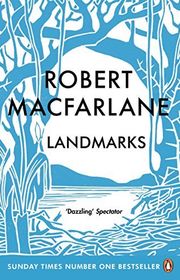
Landmarks
by Robert Macfarlane
2015
Exploring the relationship between language and landscape, Macfarlane gathers regional words for land, weather and wildlife. Journeys through Britain and Ireland and encounters with nature writers show how precise vocabulary can deepen attention, knowledge and attachment to place.
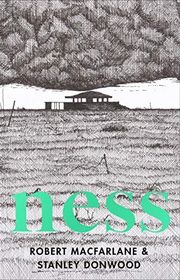
Ness
by Robert Macfarlane
2019
On a remote shingle island, the Armourer conducts a ritual with destructive intent inside a ruined chapel. Five more-than-human forms move toward him across landscape and time, converging into a force determined to reclaim the island.
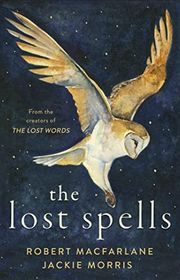
The Lost Spells
by Robert Macfarlane
2020
Poems and watercolour images draw attention to familiar plants and animals, from foxes and birches to jackdaws. Macfarlane and Morris use the language of spells to renew readers’ sense of wonder and connection with an easily overlooked natural world.
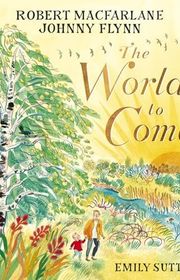
The World to Come
by Robert Macfarlane
2024
A father and son walk through a changing landscape in a lyrical picture book about nature and hope. Their shared journey uses rhythm and imagery to imagine possibilities for the world they inhabit and the future awaiting them.
Is a River Alive?
by Robert Macfarlane
2025
Travelling to threatened rivers in Ecuador, India and Canada, Macfarlane explores the idea that waterways are living beings. Reportage and natural history connect their environmental struggles with efforts to recognise rivers differently in human imagination and law.
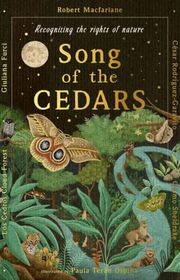
Song of the Cedars
by Robert Macfarlane
2026
An illustrated panorama explores the plants, animals and fungi of Ecuador’s Los Cedros Cloud Forest. Created with the forest named as a collaborator, the book connects its biodiversity with efforts to recognise nature’s rights and protect its future.
The Book of Birds
by Robert Macfarlane
2026
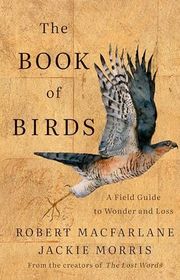
Macfarlane’s lyrical essays and Jackie Morris’s artwork explore the lives of nearly fifty increasingly threatened birds. Habits, songs, nesting, cultural stories and encounters with people form a field guide concerned with recognising kinship as well as identifying species.
The Lost Words
by Robert Macfarlane
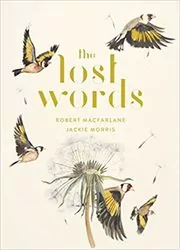
Robert Macfarlane's acrostic poems and Jackie Morris's paintings celebrate twenty names from the natural world that disappeared from a children's dictionary. Birds, plants, and animals become subjects for close attention, inviting readers to rediscover the language of nearby nature.
Underland
by Robert Macfarlane
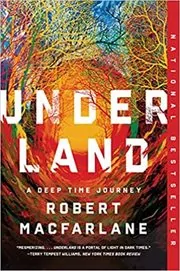
Traveling through caves, glaciers, ancient burial sites, and other hidden environments, Robert Macfarlane investigates the worlds beneath our feet. His encounters connect geology and ecological relationships with human memory, mortality, and responsibility for the planet's distant future.
Where to start with Robert Macfarlane
For walking, memory and paths: The Old Ways
For journeys beneath the surface: Underland
For language and landscape: Landmarks
For poems and paintings to share: The Lost Words → The Lost Spells
For rivers and environmental rights: Is a River Alive?
Robert Macfarlane sub-series and character series
Landscapes books in order
Standalone Robert Macfarlane books
Author bio
Robert Macfarlane writes about the relationships between landscape, language and human imagination. His books follow paths, climb mountains and enter caves, but the journeys also ask how people learn to recognize what surrounds them. He is Professor of Literature and the Environmental Humanities at the University of Cambridge and a fellow of Emmanuel College.
Mountains of the Mind examines the fascination with high places, while The Wild Places searches for wildness in Britain and Ireland. The titles offer two useful entrances into his work: one concerned with the ideas people attach to a landscape, the other with the experience of seeking it out. Neither treats a place as scenery alone.
A route can preserve the lives of people who walked it long before us.
In The Old Ways, Macfarlane follows ancient tracks, drove-roads, holloways and sea routes. The book connects physical movement with the histories and stories carried by a path. Readers who enjoy walking literature may find it his most direct introduction, since the journey on foot provides a clear thread through encounters with people, memory and terrain.
Landmarks makes language itself the subject. Its glossaries gather words for land, weather and natural features, alongside explorations of nature writing. The underlying question is practical as well as literary: if a precise name disappears, does it become harder to notice what it described? The book invites close attention to distinctions that a general word such as “field” or “hill” can conceal.
The Lost Words, created with artist Jackie Morris, brings a related concern into poems and paintings. Names for plants, birds and animals become the focus of a shared act of attention. It offers a different reading experience from the travel books, with visual art and language working together, and is a useful choice for readers looking for a book to read aloud or explore across generations.
Underland reverses the direction of the mountain books.
Its journeys below the surface move through caves, glaciers, burial places and other hidden environments, setting human memory against geological time. Questions about what people bury, preserve or leave for the distant future connect the separate expeditions. The book won the Wainwright Prize in 2019, and it provides a substantial starting point for readers interested in environmental responsibility as well as exploration.
Is a River Alive? takes that responsibility into debates about recognizing rivers as living beings. Journeys in Ecuador, India and Quebec bring threats from mining, pollution and dams into view, alongside efforts to defend waterways. Across Macfarlane’s books, looking closely becomes an ethical question: how a place is named, described and imagined can affect what people are willing to do to protect it.



Edited by
Software engineer whose passion for tracking book recommendations from podcasts inspired the creation of MRB.
Lead investor at 3one4 Capital whose startup expertise and love for books helped shape MRB and its growth.
Comments
Spotted a missing book, a wrong order or a mistake? Tell us and we'll fix this page.
We're a reading guide, not the author or publisher, so we can't send books or pass on messages.