
Robert F Jones Books in Order
Browse Robert F Jones books in order, with quick summaries, notes on his outdoor novels and nonfiction, and simple ideas for where to start.
Last updated:
As an Amazon Associate, we earn from qualifying purchases (at no extra cost to you).
Robert F Jones books in publication order
16 books
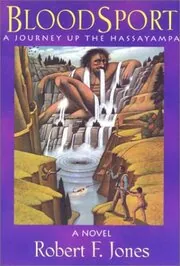
Blood Sport / Ratnose
by Robert F Jones
1974
A father takes his young son up the mythical Hassayampa River on what begins as a fishing trip and turns into a rough rite of passage. Outlaws, violence, and the legendary Ratnose make the wilderness feel both comic and dangerous.
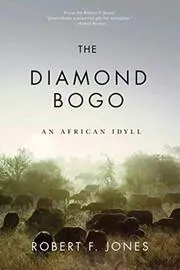
The Diamond Bogo
by Robert F Jones
1978
Knowing old-style Africa is disappearing, white hunter Winjah sets out on one last hunt for a legendary cape buffalo with a diamond lodged between its horns. The chase pulls him into a stranger and more unsettling world than he expected.

George Washington
by Robert F Jones
1979
A concise biography of George Washington that follows him from planter to revolutionary general to president. The book pays special attention to the self-discipline, caution, and steady judgment that shaped his leadership.

Slade's Glacier
by Robert F Jones
1981
After a crash landing in Alaska, former flying partners Jack Slade and Sam Healey discover a hidden valley that seems to promise everything. One dreams of a simple life there, the other sees oil wealth, and the land turns them into enemies.
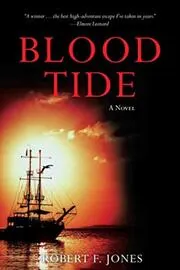
Blood Tide
by Robert F Jones
1990
Forced into bitter retirement after a Vietnam-era betrayal, Navy man James Culdee joins his daughter Miranda on a Pacific chase for her stolen sailboat. Their search leads them into the dangerous islands of the Philippines, where revenge and survival start to blur.
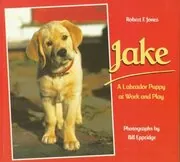
Jake
by Robert F Jones
1992
This photo-filled book follows Labrador puppy Jake through his first year, from meeting the older dog Luke to learning retrieving and house rules. It is part puppy story, part gentle introduction to training.
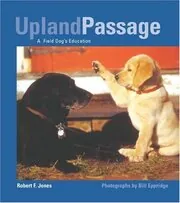
Upland Passage
by Robert F Jones
1992
Jones uses his Labradors Luke and Jake to show how a field dog is trained, tested, and understood. It is a practical, affectionate look at hunting dogs, with photographs and plenty of close observation.
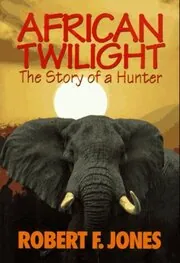
African Twilight
by Robert F Jones
1994
A blend of hunting memoir and travel writing, this book gathers stories from Jones's time in Africa. He writes about safaris, wild country, and the people around them with the eye of a journalist and a hunter.
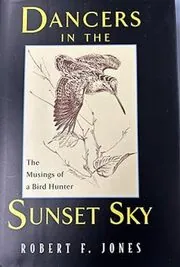
Dancers in the Sunset Sky
by Robert F Jones
1996
In essays and short pieces about bird hunting, Jones writes about dogs, seasons, coverts, and the strange pull that keeps people returning to the field. It is reflective, funny at times, and rooted in lived experience.
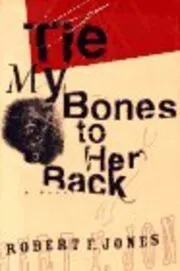
Tie My Bones to Her Back / The Buffalo Runners
by Robert F Jones
1996
In the hard years after the Panic of 1873, Jenny Dousmann follows her buffalo-hunting brother west and finds a brutal frontier shaped by greed, war, and loss. What begins as a bid to survive becomes a fight over land, dignity, and the vanishing buffalo.
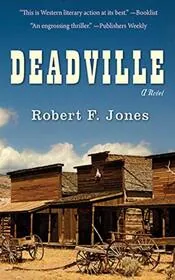
Deadville
by Robert F Jones
1998
In 1833, teenage brothers Dillon and Owen Griffith head west expecting fortune and freedom. Instead they meet raids, kidnappers, and frontier violence, and have to decide what kind of men they will become.
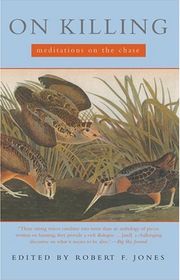
On Killing
by Robert F Jones
2001
This anthology gathers essays and classic excerpts that argue over the ethics of taking animal life. Jones frames a thoughtful, often uneasy conversation for hunters, anglers, and readers interested in what the chase really means.
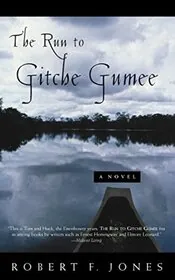
The Run to Gitche Gumee
by Robert F Jones
2001
In 1950, two Wisconsin friends paddle toward Lake Superior on one last carefree adventure before war and adulthood separate them. Fifty years later, they try the trip again and find that the river, and their friendship, have changed.

The Hunter in my Heart
by Robert F Jones
2002
This collection brings together essays and a couple of short stories about hunting, dogs, travel, and the outdoor life. It shows Jones at his most conversational, mixing hard-earned know-how with memory and dry humor.
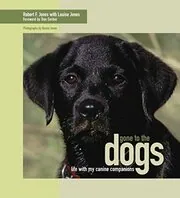
Gone to the Dogs
by Robert F Jones
2004
Part memoir and part dog book, this posthumous volume looks back on the dogs that shaped Jones's life. It is affectionate, unsentimental, and especially strong on the bond between hunter and companion.
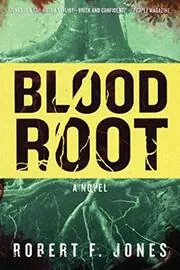
Bloodroot
by Robert F Jones
2015
Laura and Mark Avery leave city life for a Vermont village and an old house that seems perfect for a fresh start. Instead they walk into a long-buried local curse tied to an ancient oak and the land beneath it.
Where to start with Robert F Jones
If you want the strangest, most mythic fiction: Blood Sport / Ratnose → The Diamond Bogo
If you want rugged wilderness adventure: Slade's Glacier → Blood Tide
If you want frontier historicals: Tie My Bones to Her Back / The Buffalo Runners → Deadville
If you want dog and bird-hunting nonfiction: Upland Passage → Dancers in the Sunset Sky → Gone to the Dogs
If you want a later, more reflective novel: The Run to Gitche Gumee → Bloodroot
Robert F Jones collections, short stories, and related book types
Picture Books
Non-Fiction
Collections
Twayne's World Leaders Books
Standalone Robert F Jones books
Author bio
Robert F. Jones was born in Milwaukee, Wisconsin, on May 26, 1934, and grew up there. After graduating with honors from the University of Michigan in 1956, he served as a Navy ensign in the western Pacific, an experience that gave him firsthand knowledge of ships, duty, weather, and the way pressure changes people.
When his naval service ended, Jones went into journalism. He reported for the Milwaukee Sentinel in 1959, moved to Time in 1960, and in 1968 transferred to Sports Illustrated, where he wrote about pro football, motor sports, the outdoors, and whatever else needed a sharp eye and a steady notebook. Later he also wrote for Field & Stream and became a contributing editor at Men's Journal.
That reporting background never really left him.
His books, even the odd ones, usually feel physically lived in. You can sense the cold, the mud, the guns, the boats, the dogs, and the miles. His first novel, Blood Sport, announced the pattern early. It starts with a father and son in the wild and then turns into something darker, funnier, and much harder to pin down. The Diamond Bogo pulls a hunting story through Africa and into stranger territory, where adventure, satire, and fever dream all crowd the same trail.
He liked to start with a hunt, a river, or a frontier trail, then let the story go feral.
That habit gave his fiction a range that is easy to recognize once you have read a couple of books. Slade's Glacier sets two former bush pilots against each other in Alaska after they discover a hidden valley and imagine completely different futures for it. Blood Tide turns a stolen boat and an old military betrayal into a father-daughter pursuit across the Pacific. In Tie My Bones to Her Back and Deadville, he uses the American West as a hard, violent place shaped by hunger, greed, and the wreckage left by conquest. The Run to Gitche Gumee, published in 2001, feels more reflective, using a return canoe trip to look at friendship, aging, and the gap between memory and real life.
Jones could be just as at home in nonfiction. Books like Upland Passage, Dancers in the Sunset Sky, The Hunter in my Heart, and Gone to the Dogs show how much he cared about hunting dogs, bird country, and the habits that keep people going back outdoors year after year. Jake, his book about a Labrador puppy, shows the gentler side of the same mind. He knew how to write about training without turning it into a lecture.
Across both fiction and nonfiction, a few things keep returning. Big landscapes. People testing themselves against weather, distance, and bad decisions. A strong pull toward hunting and fishing, mixed with a real interest in what violence costs, what progress destroys, and why certain places seem to get under a person's skin and stay there.
In 1979, Jones and his wife moved to Vermont, where he concentrated on novels and nonfiction books. He spent much of his later life in western Vermont and died on December 18, 2002, at Southwestern Vermont Medical Center in Bennington. He left behind his wife of forty-six years and two adult children. A later novel, Bloodroot, appeared after his death, which feels fitting for a writer whose work still refuses to sit quietly in just one corner of the shelf.










Edited by
Software engineer whose passion for tracking book recommendations from podcasts inspired the creation of MRB.
Lead investor at 3one4 Capital whose startup expertise and love for books helped shape MRB and its growth.
Comments
Did we miss something? Have feedback?
Help us improve this page by sharing your thoughts