
Robert Aickman Books in Order
Browse Robert Aickman books in order, with quick summaries, strange-story collections, novels, memoirs, and simple advice on where to start reading.
Last updated:
As an Amazon Associate, we earn from qualifying purchases (at no extra cost to you).
Robert Aickman books in publication order
20 books

Dark Entries
by Robert Aickman
1964
Aickman's first solo collection gathers six strange stories, including 'Ringing the Changes.' Seaside holidays, waiting rooms, and chance meetings all tilt off balance as the ordinary world becomes slyly menacing.

The Late Breakfasters
by Robert Aickman
1964
Griselda de Reptonville arrives at a grand country house expecting little and finds a life-changing love instead. When that happiness is cut short, the novel turns into a strange, wistful search for what was lost.

Powers of Darkness
by Robert Aickman
1966
These six stories range from a shabby séance to a Greek island and the Houses of Parliament. Aickman keeps the settings concrete and familiar, then lets unease seep in until each tale feels quietly supernatural.
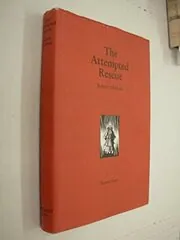
The Attempted Rescue
by Robert Aickman
1966
Aickman's first memoir covers his childhood and youth, with a sharp eye for family absurdity and private dread. His eccentric father looms large as he writes about school, early ambitions, and the making of an outsider.

Sub Rosa
by Robert Aickman
1968
Eight of Aickman's richest strange stories live here, including 'The Inner Room,' 'The Unsettled Dust,' and 'The Cicerones.' Travel, art, memory, and desire keep opening doors onto places that should not quite exist.

The Inner Room
by Robert Aickman
1968
Lene, recovering after the Second World War, remembers the gothic dolls' house that invaded her childhood dreams. Years later she finds its impossible geometry again, this time as a full-sized house hidden in the woods.

Cold Hand in Mine
by Robert Aickman
1974
This eight-story collection is a classic entry point to Aickman's strange fiction. Everyday lives slide into dreamlike menace in tales such as 'The Hospice' and the award-winning 'Pages from a Young Girl's Journal.'

Tales of Love and Death
by Robert Aickman
1977
This seven-story collection shows Aickman in a mature, assured mode. Desire, loneliness, awkward social rituals, and sudden brushes with the uncanny shape tales like 'Growing Boys,' 'Compulsory Games,' and 'Wood.'

Painted Devils
by Robert Aickman
1979
This selected volume offers nine strange stories drawn from across Aickman's middle period. It is a strong sampler of his method, polite surfaces, dry humor, and dread that gathers so gradually you only notice it when it is too late.

Intrusions
by Robert Aickman
1980
Aickman's last collection published in his lifetime brings together six late stories of pressure, temptation, and eerie return. The menace is rarely loud, but it keeps pressing at doors, letters, memories, and chance encounters.

The Stains
by Robert Aickman
1980
A grieving widower retreats to the moors and meets a young woman who seems at once innocent and deeply unsettling. As their bond grows, strange marks, family tensions, and a creeping sense of doom close in.
The Model
by Robert Aickman
1987
In Czarist Russia, Elena dreams of the ballet while her father plans to marry her off to cover his debts. She runs toward the city, crossing a wintry landscape full of odd figures, danger, and half-magical possibility.

The Wine-Dark Sea
by Robert Aickman
1988
This eight-story collection moves toward disturbing, unresolved endings rather than neat shocks. From travel unease to frozen longing, the stories create a steady dream logic that makes ordinary situations feel increasingly unsafe.

The Unsettled Dust
by Robert Aickman
1990
This collection gathers eight of Aickman's most affecting stories, including 'The Stains' and 'The Cicerones.' He builds terror through detail and mood, letting respectable people drift toward places and encounters they cannot quite explain.

The Collected Strange Stories of Robert Aickman
by Robert Aickman
1999
A major omnibus of Aickman's strange fiction, this collection brings together the stories that made his reputation. It is the place to go if you want the full range, from early classics to later, more elusive nightmares.

Night Voices
by Robert Aickman
2013
Published after Aickman's death, this final collection gathers late stories of obsession, decay, and the uncanny. Even at his quietest, he can make a conversation, a memory, or a garden path feel ominous.
River Runs Uphill
by Robert Aickman
2014
Part memoir, part campaign history, this posthumous book follows Aickman's fight to preserve Britain's canals. It traces the early Inland Waterways Association through arguments, setbacks, and hard-won victories, and shows how much personality shaped the cause.

The Late Breakfasters and Other Strange Stories
by Robert Aickman
2016
This omnibus pairs Aickman's only novel published in his lifetime with six shorter pieces. It offers both sides of his work, social comedy and emotional longing on one hand, uncanny dislocation on the other.

Compulsory Games
by Robert Aickman
2018
This later gathering brings together fifteen uncanny stories, including previously uncollected work. Aickman turns flirtation, travel, family life, and small social slips into scenes of slow dread, where the world feels almost normal until it suddenly doesn't.
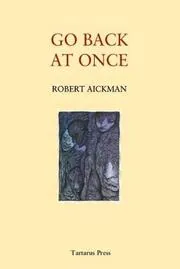
Go Back at Once
by Robert Aickman
2020
In the 1920s, Cressida Hazeborough and her friend Vivien try to dodge the dutiful future laid out for them. Their search for freedom leads from London drawing rooms to a chaotic, poet-led state where satire and fantasy collide.
Where to start with Robert Aickman
If you want the best first taste of his strange stories: Cold Hand in Mine → Dark Entries → Sub Rosa
If you like creeping travel unease and dream logic: The Wine-Dark Sea → The Unsettled Dust
If you want to start with the novels: The Late Breakfasters → The Model → Go Back at Once
If you want the later, rarer material: Compulsory Games → Night Voices → Intrusions
If you want the man behind the fiction: The Attempted Rescue → River Runs Uphill
Robert Aickman collections, short stories, and related book types
Short Stories/Novellas
Collections
Non-Fiction
Standalone Robert Aickman books
Author bio
Robert Aickman was born in London on 27 June 1914, and he grew up in and around the city in a family that seems to have given him culture and unease in equal measure. His father was an architect, his grandfather was the novelist Richard Marsh, and books were part of the landscape early on. That mix of respectable surface and inner disturbance would later become one of the defining pressures in his fiction.
He never wrote as if ordinary life were entirely trustworthy.
As a young man he spent time working in his father's architectural office, but writing was only one part of a wider, restless life. He was deeply interested in music, theatre, and the supernatural, and he also became involved in one of the least expected causes for a writer of uncanny fiction, Britain's inland waterways. In 1946 he and his then wife, Ray Gregorson, helped found the Inland Waterways Association with Tom and Angela Rolt.
That campaign mattered. Aickman was not just lending his name to a committee, he was in the thick of arguments, strategy, and public pressure at a moment when many canals were neglected or threatened. The practical, political side of his life sits in curious but revealing contrast to the stories. He could be dreamy on the page, but off the page he was often organizing, persuading, and refusing to let something quietly disappear.
His writing career began in print with We Are for the Dark in 1951, a collaboration with Elizabeth Jane Howard. More than a decade later came the real watershed year, 1964, when he published his first solo collection, Dark Entries, and his only novel to appear in his lifetime, The Late Breakfasters. He also went on to edit the first eight Fontana Book of Great Ghost Stories anthologies, which helped show just how seriously he took the form.
He preferred the term strange stories, and it fits.
Readers often start with Cold Hand in Mine, and it is easy to see why. The stories there, and in books like Sub Rosa and The Wine-Dark Sea, do not depend on gore, shocks, or tidy explanations. Instead, Aickman takes a hotel, a country road, a holiday, a waiting room, a childhood object, and lets the atmosphere shift by degrees until the whole world feels unreliable. People who love him usually love that slow slide, plus the dry social comedy and the sense that desire, embarrassment, and loneliness can be as frightening as anything supernatural.
He could work on different scales, too. The Late Breakfasters shows his feel for manners, longing, and emotional displacement, while The Model, published after his death, turns toward something closer to a dark fable. His memoir The Attempted Rescue gives a more personal angle, especially on his difficult early life and his sense of being slightly out of step with the world he inhabited. Even in nonfiction, he sounds unmistakably like himself.
Across his work, certain things return again and again: old houses, seaside towns, odd journeys, half-failed relationships, conversations that tilt the wrong way, and people who sense that they have crossed some invisible boundary. His stories are often about adults who cannot quite say what they want, then find themselves somewhere they cannot quite leave. The fear comes less from monsters than from a feeling that reality has developed a hairline crack.
Aickman died in February 1981. His reputation only grew after that, with later readers keeping books like Dark Entries, Cold Hand in Mine, and The Unsettled Dust in circulation, and with posthumous publications such as Night Voices and Go Back at Once widening the picture. He remains a writer people tend to discover intensely, then press into other readers' hands.








Edited by
Software engineer whose passion for tracking book recommendations from podcasts inspired the creation of MRB.
Lead investor at 3one4 Capital whose startup expertise and love for books helped shape MRB and its growth.
Comments
Did we miss something? Have feedback?
Help us improve this page by sharing your thoughts