
Richard Matheson Books in Order
Explore Richard Matheson books in order, with quick summaries, reading paths, and notes on his horror, science fiction, fantasy, and screen work.
Last updated:
As an Amazon Associate, we earn from qualifying purchases (at no extra cost to you).
Richard Matheson books in publication order
73 books

Through Channels
by Richard Matheson
1951
Told as a police questioning, this short horror tale follows a boy trying to explain an impossible attack that seems to come through the television itself. It is brief, strange, and wonderfully nasty.

Disappearing Act
by Richard Matheson
1953
A failing writer discovers that the people, places, and facts of his life are quietly vanishing from reality. Matheson turns guilt and self-loathing into a surreal nightmare about erasure, loneliness, and the terror of no longer mattering.

Mad House
by Richard Matheson
1953
In this early paranoia tale, a family home seems to feed on anger and push its occupants toward cruelty. The house itself becomes the threat, making everyday domestic life feel unstable and actively hostile.

Slaughter House
by Richard Matheson
1953
A grim short horror piece that takes a familiar setting and lets guilt, cruelty, and physical dread build step by step. Matheson keeps it spare, then lands with a nasty sense of inevitability.

Wet Straw
by Richard Matheson
1953
A widower moves into a boarding house after his wife's death and begins having recurring dreams filled with the smell of wet straw. The story slowly turns grief, guilt, and obsession into something horribly physical.

Born Of Man And Woman
by Richard Matheson
1954
Matheson's breakthrough story takes the form of a child's broken diary entries from a cellar where cruel parents keep something hidden. It is short, shocking, and still one of his most disturbing pieces.

Dance of the Dead
by Richard Matheson
1954
Set in a blasted future, this story follows a young woman drawn to a secret club where the dead are made to perform for the living. It is nasty, bleak, and far ahead of its time in post-apocalyptic horror.
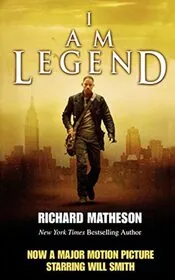
I Am Legend / The Omega Man
by Richard Matheson
1954
Robert Neville appears to be the last living man in a world overrun by infected, vampiric survivors. Matheson makes the apocalypse intimate, lonely, and surprisingly rational, then turns the idea of monster and man inside out.

Third From The Sun
by Richard Matheson
1954
As war nears catastrophe, two men secretly plan to flee their dying world with their families. Matheson tells it as a tense escape story, then lands one of his cleanest and most famous twist endings.
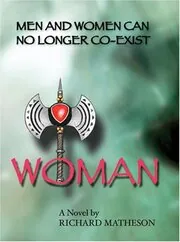
Woman / Third from the Sun / Born of Man
by Richard Matheson
1954
An omnibus of early Matheson short fiction, bringing together some of the pieces that established his voice in horror and science fiction. Expect ordinary people, sharp premises, and endings that shift the ground beneath the story.
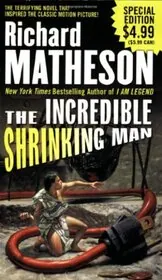
The Incredible Shrinking Man / The Shrinking Man
by Richard Matheson
1956
Scott Carey starts losing height by the inch, and with it his place in marriage, work, and the ordinary world. The story is famous for its science fiction hook, but it hits hardest as a study of fear and identity.

The Shores Of Space
by Richard Matheson
1957
A story collection that leans into Matheson's science fiction side, with ordinary people pushed against strange technologies, alien perspectives, and cosmic unease. Even at his most speculative, the human reactions are what make the stories sting.
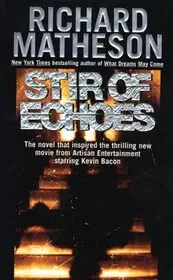
A Stir of Echoes
by Richard Matheson
1958
After a hypnotism session, Tom Wallace begins hearing thoughts and sensing a murdered woman's presence. His new psychic awareness wrecks the safety of everyday life and turns his suburban home into the center of a ghostly mystery.
Ride the Nightmare
by Richard Matheson
1959
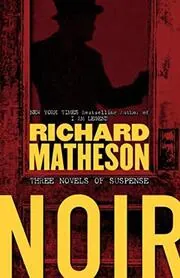
A businessman returns from a trip to find his old identity erased and violent strangers closing in. Matheson strips the setup down to pure paranoia as an ordinary man tries to learn who wants him ruined and dead.
The Beardless Warriors of World War II
by Richard Matheson
1960
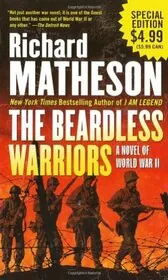
Drawn from Matheson's own Army experience, this novel follows very young American soldiers through fear, boredom, comradeship, and combat in Europe. It is blunt, unsentimental war fiction about boys being pushed into adulthood too fast.

Nightmare At 20,000 Feet
by Richard Matheson
1961
A handpicked collection of Matheson horror stories, including the famous airplane nightmare, Duel, and Prey. It is one of the best single-volume introductions to his talent for paranoia, monsters, and ordinary lives going badly wrong.

Shock!
by Richard Matheson
1961
A collection of thirteen early stories that shows Matheson moving easily between science fiction, horror, crime, and the uncanny. The range is part of the fun, everyday settings, sharp hooks, and endings that rarely leave anyone comfortable.

The Likeness of Julie
by Richard Matheson
1962
A young man fixates on a classmate, commits a brutal crime, and learns that Julie may be far less helpless than she seems. It is one of Matheson's darkest stories, mixing sexual menace, revenge, and the supernatural.
Comedy of Terrors
by Richard Matheson
1964
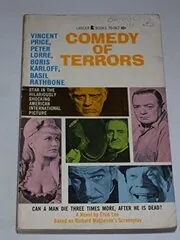
This screenplay edition preserves Matheson's gleefully morbid gothic comedy about undertakers, debts, murder, and family chaos. It is lighter than his straight horror, but packed with macabre jokes and escalating bad behavior.

Shock II
by Richard Matheson
1964
The second Shock collection deepens the mix of eerie science fiction, domestic dread, and dark irony that defined Matheson's short fiction. It is a strong middle volume for readers who want more than just the famous adaptations.

Shock III
by Richard Matheson
1966
A third gathering of Matheson stories from the 1950s and early 1960s, still restless in genre and mood. Expect monsters, telepathy, warped marriages, and the kind of ending that snaps a quiet tale into something crueler.

Shock Waves
by Richard Matheson
1970
The final Shock volume collects more of Matheson's unsettling short fiction, from psychological suspense to full supernatural menace. It is a reminder of how many different fears he could explore without losing his clean, fast style.

Duel
by Richard Matheson
1971
A driver on a lonely road is singled out by a faceless trucker and hunted mile after mile for no clear reason. The premise is simple, but Matheson turns it into pure, grinding terror.
Hell House
by Richard Matheson
1971
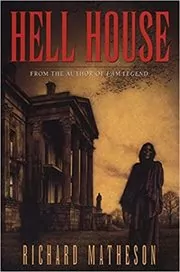
A dying millionaire sends a physicist and two mediums to the Belasco House, a mansion with a terrible reputation. Their investigation becomes a brutal test of belief, sanity, and survival.
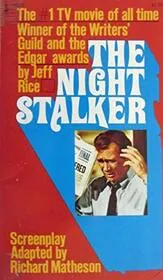
The Night Stalker
by Richard Matheson
1973
When women are found drained of blood in Las Vegas, reporter Carl Kolchak chases a killer the police will not believe in. His investigation turns a newsroom mystery into one of Matheson's best-known vampire thrillers.
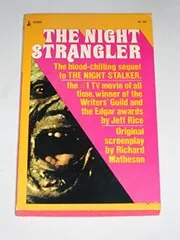
The Night Strangler
by Richard Matheson
1974
Reporter Carl Kolchak follows a string of murders into the tunnels, legends, and hidden history beneath Seattle. Part mystery and part supernatural chase, it keeps one stubborn skeptic facing monsters that refuse to stay folklore.
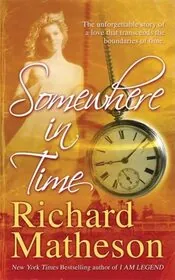
Somewhere In Time / Bid Time Return
by Richard Matheson
1975
A dying playwright becomes obsessed with an actress from the 1890s and attempts the impossible, to reach her across time. It is Matheson's great romance novel, tender, melancholy, and built on longing rather than fear.
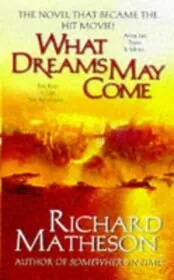
What Dreams May Come
by Richard Matheson
1978
After dying, Chris Nielsen discovers an afterlife shaped by thought, memory, and love, then risks everything to reach his wife. Matheson turns grief into an imaginative, emotional journey through heaven, hell, and marriage.
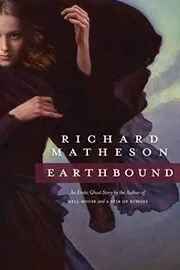
Earthbound
by Richard Matheson
1982
A married couple move into a new home and find themselves tangled with a restless, manipulative spirit that will not let go of the living. Matheson mixes domestic strain, occult research, and ghostly obsession into a tense supernatural tale.

Volume I: The Color of Evil
by Richard Matheson
1987
The first volume of The Dark Descent anthology maps one branch of horror through classic and modern stories, with Richard Matheson among the featured writers. It is less a novel than a guided tour of what frightens readers across eras.

Collected Stories, Vol. 1
by Richard Matheson
1989
The first volume of Matheson's major story retrospective gathers early classics and shows how quickly his voice arrived. Horror, science fiction, black humor, and paranoia all meet here in lean, memorable pieces.

Volume II: The Medusa In The Shield
by Richard Matheson
1990
The second Dark Descent volume continues the anthology's survey of horror fiction, bringing together major writers and shifting tones of fear. It works best for readers who like seeing different styles and periods speak to one another.
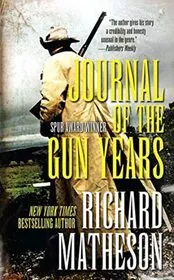
Journal of the Gun Years
by Richard Matheson
1991
Clay Halser grows from frightened boy to hardened gunman on the violent American frontier, recording the cost of every lesson. The novel works as both coming-of-age western and critique of the myths that build killers.

Volume III: A Fabulous, Formless Darkness
by Richard Matheson
1991
The concluding Dark Descent volume explores harder-to-name forms of horror, the eerie, the ambiguous, and the half-seen. Like the earlier books, it is an anthology built for readers who want range as much as chills.
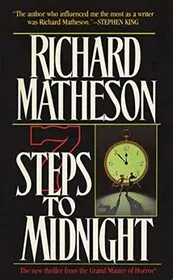
7 Steps to Midnight
by Richard Matheson
1993
A London teacher is suddenly handed a sealed dossier that seems to know every detail of his life, then plunged into a deadly conspiracy. This is Matheson in paranoid thriller mode, fast, clever, and full of escalating questions.
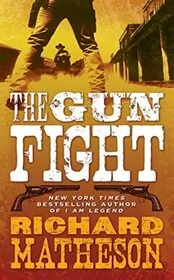
The Gun Fight
by Richard Matheson
1993
Fifteen years after killing a man in self-defense, a former gunfighter is dragged back toward violence by an old feud. Matheson turns a classic western setup into a tense story about regret, honor, and the trouble that never stays buried.
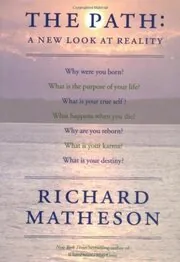
The Path
by Richard Matheson
1993
This spiritual novel follows ordinary people through encounters that point toward a larger view of life, death, and purpose. It is less horror than reflective fiction, shaped by Matheson's personal beliefs about the soul and what comes next.

By The Gun
by Richard Matheson
1994
This western collection shows Matheson working far from vampires and haunted houses, but with the same sharp sense of pressure and consequence. The stories are about gunfighters, drifters, pride, and the sudden cost of violence.
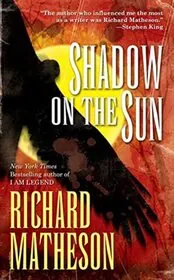
Shadow on the Sun
by Richard Matheson
1994
In a dry Arizona town, a young newspaper editor watches fear spread as brutal outlaws ride in and the townspeople falter. It starts like a western, then opens into something stranger and darker.
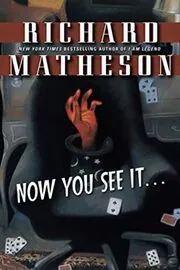
Now You See It...
by Richard Matheson
1995
Confined to a room built for stage illusions, an aging magician watches a labyrinth of family schemes, betrayal, and murder unfold around him. The whole novel works like a locked-room revenge drama built on performance, deception, and control.
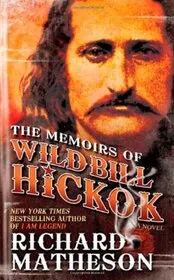
The Memoirs of Wild Bill Hickok
by Richard Matheson
1996
Matheson imagines the life of Wild Bill Hickok in the gunfighter's own voice, mixing frontier action with a reflective, older narrator. It is a western about legend-making, memory, and the lonely cost of fame.

The Twilight Zone Scripts
by Richard Matheson
1998
A script collection for readers who want Matheson on the page as well as the screen, including the terse, idea-first storytelling that made his episodes last. It is a great look at how he built suspense through rhythm, image, and restraint.
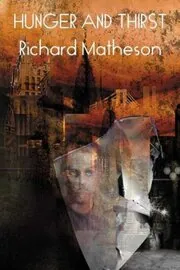
Hunger and Thirst
by Richard Matheson
2000
Written early in Matheson's career but published much later, this novel follows a young man wrestling with love, longing, and self-knowledge. It is more intimate and personal than his horror work, with the sting of an autobiographical confession.
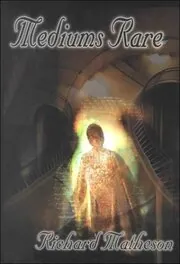
Mediums Rare
by Richard Matheson
2000
A nonfiction volume devoted to séances, spiritualism, and reported psychic phenomena. It shows the research interests behind Matheson's supernatural fiction and his long curiosity about what might wait beyond ordinary experience.
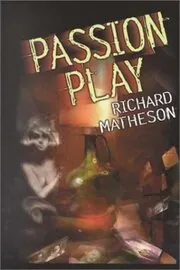
Passion Play
by Richard Matheson
2000
A struggling salesman and would-be artist in 1950s California makes one bad door-to-door call and meets the wrong woman. The result is a lean noir suspense story about desire, bad luck, and a life spinning out of control.

Camp Pleasant
by Richard Matheson
2001
A first-time camp counselor arrives at a boys' summer camp and finds bullying, cruelty, and growing tension beneath the cheerful surface. When murder enters the picture, the setting turns into a small, ugly world ruled by fear.
A Primer of Reality
by Richard Matheson
2002
A nonfiction gathering of quotations and reflections on reincarnation, near-death experiences, karma, and the higher self. It offers a clear window into the spiritual ideas that shaped some of Matheson's later fiction.
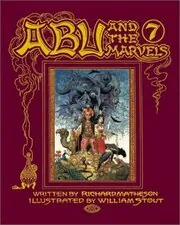
Abu and the 7 Marvels
by Richard Matheson
2002
In this playful Arabian Nights style adventure, Abu sets out to win a princess by seeking tokens from the seven marvels of the world. Genies, rival suitors, and impossible tasks make it one of Matheson's most family-friendly fantasies.
Hunted Past Reason
by Richard Matheson
2002
What should be a routine wilderness hike turns into a savage battle between two men with years of buried resentment between them. Part survival thriller, part psychological duel, it strips friendship down to fear, rage, and endurance.
Come Fygures, Come Shadowes
by Richard Matheson
2003
An unfinished novel fragment centered on a young girl, her mother's spiritualist beliefs, and the first stirrings of sexuality and fear. Even incomplete, it shows Matheson building a dark coming-of-age story around séances, visions, and unease.

Kolchak Scripts
by Richard Matheson
2003
These scripts capture Matheson's mix of newsroom banter, occult mystery, and monster-of-the-week dread from the Kolchak world. They are brisk, atmospheric, and a good reminder of how funny his horror could be.

Darker Places
by Richard Matheson
2004
A collection of early horror pieces and an unproduced screenplay, all rooted in the ordinary world turning mean, haunted, or monstrous. It is a good snapshot of Matheson experimenting with different ways to make readers uneasy.

Collected Stories, Vol. 2
by Richard Matheson
2005
The second volume of the retrospective moves deeper into Matheson's middle period, where his range becomes even clearer. Science fiction, ghost stories, crime, and emotional cruelty all sit beside one another comfortably.

Collected Stories, Vol. 3
by Richard Matheson
2005
The final volume completes Matheson's big story survey, gathering later work and lesser-known pieces alongside familiar standouts. It is best for readers who want the full breadth of his short fiction, not just the greatest hits.

Unrealized Dreams
by Richard Matheson
2005
A collection of unmade projects, screenplays, and story material that never reached the screen in finished form. It gives fans a look at Matheson's creative back room, where even abandoned ideas still feel lively and strange.

Bloodlines
by Richard Matheson
2006
A themed collection steeped in dark appetites, corruption, and the thin line between human and monstrous. It is a good fit for readers who like Matheson at his bloodier and more openly macabre.

The Link
by Richard Matheson
2006
A rational, bestselling writer becomes involved in a film project about psychic research and finds himself pulled toward hauntings, telepathy, and buried personal pain. This long-unpublished work blends the paranormal with Matheson's interest in belief, science, and memory.
Button, Button
by Richard Matheson
2007
This collection opens with Matheson's famous moral trap, a box, a button, and money at someone else's cost, then keeps going with other uncanny tales. It is compact, clever, and full of ordinary people making terrible choices.

Completely Doomed
by Richard Matheson
2007
A black-and-white horror comics anthology that includes graphic adaptations of Richard Matheson stories alongside work by other dark-fiction writers. It plays like a pulpy showcase of monsters, dread, and nasty little shocks.
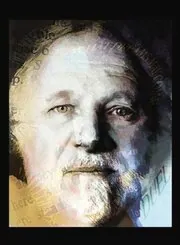
The Richard Matheson Companion
by Richard Matheson
2007
A reference guide to Matheson's fiction, scripts, adaptations, and career, with background material for readers who want the wider picture. It is more companion volume than memoir, useful for fans tracing his work across page and screen.

Visions Of Death
by Richard Matheson
2007
A collection built around mortality, foreknowledge, and the strange ways the dead or the dying press into the lives of the living. It gathers tales where Matheson treats death as mystery, warning, and intimate terror.

The Box
by Richard Matheson
2008
A later edition of the Button, Button collection, renamed after the film adaptation but still centered on Matheson's sharp uncanny stories. It is a strong gateway book if you want his twisty, idea-driven short fiction.

Visions Deferred
by Richard Matheson
2009
This volume presents Matheson's long-unseen screenplay for I Am Legend, showing how he wanted the story adapted before the later films took it elsewhere. It is essential for readers curious about the road not taken.
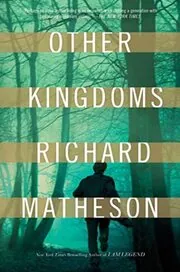
Other Kingdoms
by Richard Matheson
2011
After the First World War, a young American veteran travels to rural England and is drawn toward both witchcraft and the fairy world. What begins as longing and escape turns into a dangerous crossing between ordinary life and older, stranger powers.

Richard Matheson Uncollected
by Richard Matheson
2011
An archival volume of rare pieces, unfinished novels, short fiction, and unproduced script material. It is best read as a treasure chest for devoted fans who want to see the work beyond the standard reprints.

Steel And Other Stories
by Richard Matheson
2011
A selected collection that highlights Matheson's talent for pitting ordinary people against brutal tests, whether futuristic, supernatural, or purely human. The title story alone shows how much emotion he could pack into a stripped-down premise.
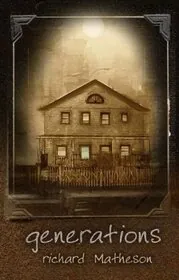
Generations
by Richard Matheson
2012
Set around the aftermath of a father's funeral, this autobiographical novel lets a sixteen-year-old Richard Matheson dig into family secrets, resentments, and old wounds. It is intimate, raw, and more domestic than supernatural.

Road Rage
by Richard Matheson
2012
Road Rage pairs graphic adaptations of Richard Matheson’s Duel and the father-and-son sequel Throttle by Stephen King and Joe Hill. Two different stories of lone drivers terrorized on the highway become a single, high-octane tribute to vehicular horror.
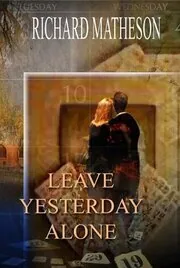
Leave Yesterday Alone
by Richard Matheson
2013
An aspiring writer drifts through college, love affairs, and self-doubt while pushing away the woman who cares for him most. It's an early, autobiographical Matheson novel about youth, ambition, and fear of commitment.

The Best Of Richard Matheson
by Richard Matheson
2017
A generous sampler of Matheson's most enduring short fiction, from horror staples to strange science fiction and black comedy. If you want one collection that shows why so many later writers learned from him, start here.

Off Beat
by Richard Matheson
2020
This volume gathers uncollected stories and lesser-known pieces, showing Matheson in a more eccentric, experimental mood. It is uneven by design, but that is also the appeal, you get corners of his imagination the standard collections miss.
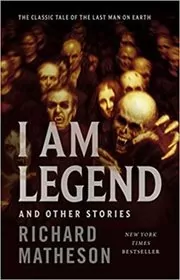
I Am Legend
by Richard Matheson
Robert Neville lives alone in a world devastated by a vampire pandemic, hunting the undead by day and barricading his home at night. His search for an explanation unfolds against relentless attacks and the strain of isolation.
Recommended by
2 people PewDiePie recommended this book
PewDiePie
"Very light and very gripping from the beginning to the end." - PewDiePie
PewDiePie's recommendation of this book  Feng Zhu recommended this book
Feng Zhu
"The book which started the entire zombie/vampire apocalypse genre." - Feng Zhu
Feng Zhu's recommendation of this book
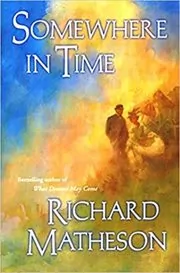
Somewhere In Time
by Richard Matheson
Modern-day Richard Collier becomes captivated by a celebrated actress from the nineteenth century. His longing draws him back to a San Diego hotel in 1896, where he pursues a relationship across the apparent boundaries of time.
Where to start with Richard Matheson
If you want his defining horror classic: I Am Legend / The Omega Man → Hell House
If you want strange science fiction: The Incredible Shrinking Man / The Shrinking Man → I Am Legend / The Omega Man
If you want haunted, psychological suspense: A Stir of Echoes → Hell House
If you want romantic or spiritual fantasy: Somewhere In Time / Bid Time Return → What Dreams May Come
If you want westerns: Journal of the Gun Years → The Memoirs of Wild Bill Hickok → The Gun Fight
Richard Matheson sub-series and character series
Richard Matheson collections, short stories, and related book types
Short Stories/Novellas
Short Story Collections
Graphic Novels
Non-Fiction
Standalone Richard Matheson books
Author bio
Richard Matheson was born in Allendale, New Jersey, on February 20, 1926, but he mostly grew up in Brooklyn after his parents divorced. He was raised by his mother, and that mix of city life, private anxiety, and watchful imagination stayed with him. As a boy he loved the 1931 film Dracula, read adventure novels by Kenneth Roberts, and even had a story published in the Brooklyn Eagle when he was eight.
Then the war interrupted everything.
He graduated from Brooklyn Technical High School in 1943 and served as an infantry soldier in Europe during World War II. That experience never really left him, and it later fed directly into The Beardless Warriors. After the war he used the GI Bill to study journalism at the University of Missouri, graduating in 1949, then moved west to California a couple of years later.
His first big break came in 1950, when The Magazine of Fantasy and Science Fiction published Born of Man and Woman. It was told in the voice of a hidden child chained in a cellar, and it announced him immediately. Readers could feel what would become a Matheson trademark, simple language, an ordinary setting, and one terrible idea pushed until it hurt.
The books that followed never stayed in one lane for long. I Am Legend helped reshape the modern vampire story by giving it a hard, almost scientific edge. The Shrinking Man took a fantastic premise and made it feel physical, humiliating, and frighteningly real. A Stir of Echoes and Hell House showed how good he was at haunting the suburbs, while Bid Time Return and What Dreams May Come revealed a softer, more romantic and spiritual side.
He made everyday life feel slightly unsafe.
Matheson also became a major screenwriter. He wrote many of the best remembered episodes of The Twilight Zone, including Nightmare at 20,000 Feet, Steel, and Little Girl Lost. He wrote the Star Trek episode The Enemy Within, adapted Edgar Allan Poe for Roger Corman, and turned his own story Duel into the screenplay that became Steven Spielberg's first major feature-length film. His prose was lean, and his screen work was too.
At home, his life was busy in a quieter way. He married Ruth Ann Woodson in 1952, and they had four children. Three of them, Richard Christian, Chris, and Ali, also became writers. In later life he continued producing novels, stories, and scripts, including older projects that finally found print decades after he first imagined them.
Over the years he received major honors, including life achievement awards from the World Fantasy and Bram Stoker communities, and induction into the Science Fiction Hall of Fame. But his legacy is easier to spot in the work itself, and in the long list of writers and filmmakers who kept pointing back to him. He died on June 23, 2013, at his home in Calabasas, California. His fiction still feels fresh because it wastes so little. A person, a problem, and the awful sense that the world has started behaving differently.






Edited by
Software engineer whose passion for tracking book recommendations from podcasts inspired the creation of MRB.
Lead investor at 3one4 Capital whose startup expertise and love for books helped shape MRB and its growth.
Comments
Did we miss something? Have feedback?
Help us improve this page by sharing your thoughts