
Richard Adams Books in Order
Browse Richard Adams books in order, with quick summaries, series guides, and simple tips on where to start, from Watership Down to his fantasy and historical novels.
Last updated:
As an Amazon Associate, we earn from qualifying purchases (at no extra cost to you).
Richard Adams books in publication order
22 books
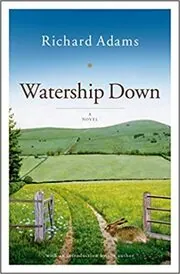
Watership Down
by Richard Adams
1972
After Fiver foresees disaster at Sandleford Warren, Hazel leads a small band of rabbits into the unknown. Their search for a safe home becomes a hard, dangerous journey through predators, strange warrens, and human threats.
Recommended by
2 people Christopher Hitchens recommended this book
Christopher Hitchens
"[The author's] masterpiece." - Christopher Hitchens
Christopher Hitchens's recommendation of this book - Andrew Wilkow recommended this book
Andrew Wilkow
"One of my favorite books and I can't wait for my kids to read it." - Andrew Wilkow
Andrew Wilkow's recommendation of this book
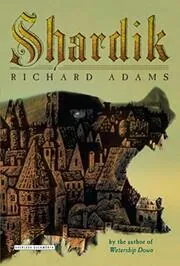
Shardik
by Richard Adams
1974
When hunter Kelderek encounters a giant bear believed to embody divine power, the fate of the Beklan Empire shifts around him. Faith, war, ambition, and fear turn this fantasy into a story about power and ruin.
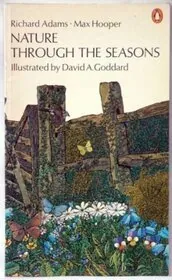
Nature Through the Seasons
by Richard Adams
1975
An illustrated nature guide that follows the year from season to season. It introduces the birds, animals, trees, and flowers an amateur naturalist is most likely to notice outdoors.
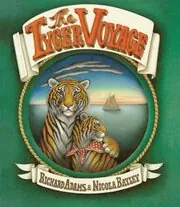
The Tyger Voyage
by Richard Adams
1976
A gentleman tyger and his son set sail from Victorian England into a wild, dreamlike world. Told in verse, it is a playful picture-book adventure of storms, jungles, volcanoes, and improbable return.

The Plague Dogs
by Richard Adams
1977
Rowf and Snitter escape a brutal research station and try to survive in the Lake District. When people fear the dogs may carry a deadly plague, their flight turns into a relentless manhunt.
The Ship's Cat
by Richard Adams
1977
In this swashbuckling narrative poem, an Elizabethan ship's cat serves aboard the privateer Alcestis. Captured by Spanish sailors, he waits for the right moment to help free the imprisoned crew.
Nature Day and Night
by Richard Adams
1978
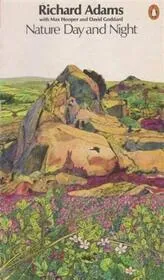
This illustrated guide looks at the natural world under sun and stars. Birds, weather, plants, night creatures, and changing light all help show how different the same landscape can feel across a day.
The Girl in a Swing
by Richard Adams
1980
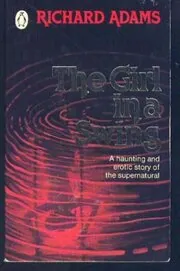
A shy English dealer in antique ceramics falls hard for a mysterious woman and marries her almost at once. What begins as romance slowly turns eerie, haunted, and deeply unsettling.

The Iron Wolf and Other Stories
by Richard Adams
1980
Nineteen folktales from around the world, retold with Adams's love of oral storytelling. Animals, magic, trickery, and old beliefs run through this varied collection of lively, strange tales.

The Unbroken Web: Stories and Fables
by Richard Adams
1980
A collection of retold folktales and fables from many cultures, linked by Adams's sense of how stories travel and endure. The book moves easily between the playful, the eerie, and the morally sharp.
The Legend of Te Tuna
by Richard Adams
1982
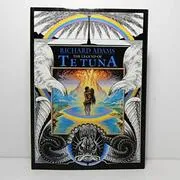
Richard Adams retells a Polynesian legend in verse, centering on Hina, Maui, and the giant eel Te Tuna. It is a lush, mythic story of desire, danger, and vengeance by the sea.

Voyage Through the Antarctic
by Richard Adams
1982
Richard Adams and Ronald Lockley recount their voyage to Antarctica in a book full of wildlife, weather, and icebound scenery. Penguins, seals, whales, and the scale of the southern ocean are the real stars.
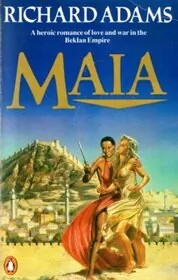
Maia
by Richard Adams
1984
Maia, a poor teenage girl from the Beklan Empire, is pulled into slavery, court intrigue, and political danger. Her beauty draws attention, but it is her nerve and resilience that keep her alive.
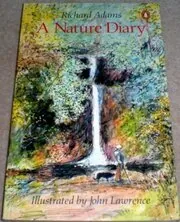
A Nature Diary
by Richard Adams
1985
A year of walks, sightings, and small observations, much of it rooted in the Isle of Man. Adams records birds, flowers, weather, and the quiet pleasures of paying close attention to the natural world.

Traveller
by Richard Adams
1988
The American Civil War is retold through the eyes of Traveller, Robert E. Lee's horse. Adams turns military history into an intimate story of loyalty, fear, and loss on and off the battlefield.

Antarctica
by Richard Adams
1990
A short, illustrated introduction to Antarctica that gathers voices, images, and information about the remote southern continent. It focuses on the stark landscape, the wildlife, and the fascination of the polar world.
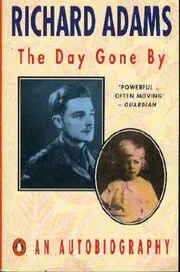
The Day Gone By
by Richard Adams
1990
In his memoir, Adams looks back on childhood in Berkshire, school, Oxford, and wartime army service. It offers the life behind the novels, before literary fame changed anything.
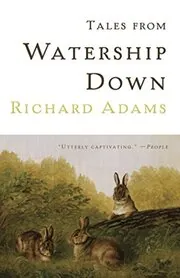
Tales from Watership Down
by Richard Adams
1996
This return to Watership Down mixes rabbit folklore with new adventures around the warren. Hazel, Fiver, Bigwig, and the legendary El-ahrairah all help expand the world beyond the ending of the first novel.
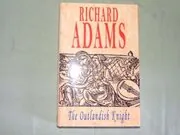
The Outlandish Knight
by Richard Adams
1999
This historical novel follows three generations of one family through English upheaval. Loyalty, court life, music, and treason draw them from the fall of Richard III into the dangerous Tudor years.

Daniel
by Richard Adams
2006
Born enslaved in 1759, Daniel is torn from plantation life, taken to England, and then caught up again in the machinery of the slave trade. It is a harsh historical novel about dignity, cruelty, and moral awakening.
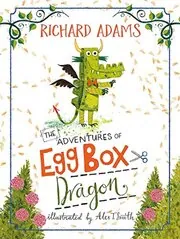
The Adventures of Egg Box Dragon
by Richard Adams
2017
Emma's homemade dragon comes to life and turns out to be remarkably good at finding lost things. His small adventures grow bigger and bigger, until even the queen comes asking for help.

Watership Down: The Graphic Novel
by Richard Adams
2023
This graphic adaptation retells the rabbits' dangerous journey to find a new home after Fiver's warning. The story's courage, friendship, fear, and survival all carry over vividly into comics form.
Where to start with Richard Adams
If you want the classic rabbit epic: Watership Down → Tales from Watership Down
If you want darker animal fiction: The Plague Dogs
If you want big secondary-world fantasy: Shardik → Maia
If you want eerie, unsettling suspense: The Girl in a Swing
If you want historical fiction: Traveller → Daniel
Richard Adams sub-series and character series
Beklan Empire books in order
Explore this seriesRichard Adams collections, short stories, and related book types
Short Story Collections
Graphic Novels
Picture Books
Non-Fiction
Standalone Richard Adams books
Author bio
Richard Adams was born in Berkshire in May 1920 and grew up near Newbury, in the stretch of English countryside that later fed so much of his writing. He was the son of a country doctor, and from early on he knew fields, lanes, weather, and the ordinary textures of rural life. Those details stayed with him.
He went to Horris Hill School, then Bradfield College, and later to Worcester College, Oxford, to study modern history. The Second World War interrupted that path. Adams served for six years in the British Army before returning to Oxford to finish his degree.
After the war, he joined the Civil Service and spent many years there, working in housing and environmental departments. He did not arrive as a young literary prodigy and build his whole adult life around publishing. For a long time, writing was something he carried alongside ordinary work, family life, and the daily business of getting on.
The turning point came in a car.
To entertain his daughters, Juliet and Rosamond, Adams began making up a story about rabbits named Hazel and Fiver during a long journey. The girls loved it and kept pressing him to write it down. That story became Watership Down, which was rejected by several publishers before finally appearing in 1972 and finding a huge audience among both children and adults.
A few books can change a life. This was one of them.
Watership Down made Adams famous, but it also showed what he was especially good at: building a complete world from close observation, giving animals their own logic and dignity, and letting danger feel real. Readers still come to the book for the adventure, but also for the rabbit mythology, the sense of landscape, and the quiet way Hazel grows into leadership. It won both the Carnegie Medal and the Guardian Children's Fiction Prize, and after Shardik Adams left the Civil Service in 1974 to write full time.
He never just repeated himself, though. The Plague Dogs took his gift for animal perspective into much darker territory, following two escaped dogs through fear, rumor, and human cruelty. Shardik and Maia moved into invented-world fantasy, with religion, politics, sex, violence, and power all tangled together in the Beklan Empire. Traveller retold the American Civil War through the eyes of Robert E. Lee's horse, which sounds unlikely until Adams makes it feel oddly natural.
He could also be unexpectedly strange. The Girl in a Swing is a ghostly, unsettling novel about love, secrecy, and dread, and Tales from Watership Down let him return to his rabbit world without simply redoing the first book. Even across very different genres, the same concerns keep showing up: survival, belonging, leadership, freedom, fear, and the pressure human beings put on the natural world.
Nature was never just scenery for him.
Alongside the novels, Adams wrote nonfiction, including nature books, travel writing, and the memoir The Day Gone By, which looks back on his childhood, school days, Oxford, and wartime service. In later life he lived in Whitchurch, Hampshire, not far from where he had grown up, with his wife Elizabeth. He died in December 2016, aged 96, after a writing career that started late, wandered widely, and left behind a shelf of books that is much stranger and broader than many people first expect.









Edited by
Software engineer whose passion for tracking book recommendations from podcasts inspired the creation of MRB.
Lead investor at 3one4 Capital whose startup expertise and love for books helped shape MRB and its growth.
Comments
Did we miss something? Have feedback?
Help us improve this page by sharing your thoughts