
Ranulph Fiennes Books in Order
Browse Ranulph Fiennes books in order, with short summaries, where-to-start tips, and quick guides to his memoirs, polar history, and thrillers.
Last updated:
As an Amazon Associate, we earn from qualifying purchases (at no extra cost to you).
Ranulph Fiennes books in publication order
33 books
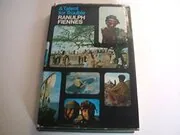
A Talent For Trouble
by Ranulph Fiennes
1970
Fiennes's first book follows the ambitious hovercraft journey up the Nile, where mechanical problems and politics proved nearly as troublesome as the river itself. It already shows his taste for difficult routes and stubborn follow-through.
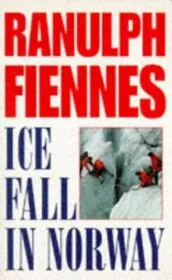
Ice Fall in Norway
by Ranulph Fiennes
1972
In 1970 Fiennes led a hazardous expedition onto Norway's Jostedals glacier to survey the ice and test equipment. Research soon turns into a struggle with bad weather, steep descents, and rough water.

The Headless Valley
by Ranulph Fiennes
1973
Fiennes heads into Canada's remote Nahanni country, a place famous for wild river travel and darker legends. The book mixes expedition narrative, difficult terrain, and the eerie history that gave the valley its name.
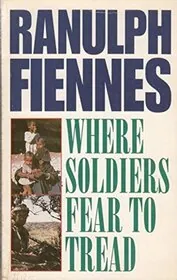
Where Soldiers Fear to Tread
by Ranulph Fiennes
1975
Drawing on his service in Oman and a later return visit, Fiennes writes about the Dhofar conflict and the harsh country where it played out. It is part military memoir, part travel book, and part portrait of a changing state.
Hell on Ice
by Ranulph Fiennes
1979
This book tells the story of the 1976-77 British North Pole expedition, where broken ice, cold, and unstable conditions turned every mile into a fight. It is a raw account of failure, improvisation, and survival on drifting pack ice.
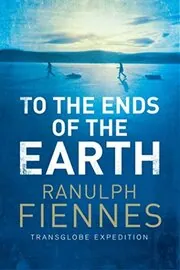
To the Ends of the Earth
by Ranulph Fiennes
1983
Fiennes's classic account of the Transglobe Expedition follows the first surface circumnavigation of the globe via both poles. It is huge in scale but strong on the everyday realities, breakdowns, planning, and sheer endurance.
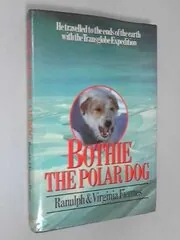
Bothie The Polar Dog
by Ranulph Fiennes
1984
Co-written with Ginny Fiennes, this charming book follows Bothie, the Jack Russell who joined the Transglobe Expedition and became the only dog to visit both poles. It adds warmth and comic relief to a very hard journey.
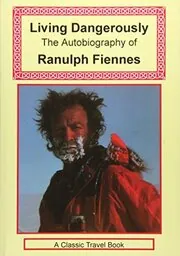
Living Dangerously
by Ranulph Fiennes
1988
This earlier autobiography traces Fiennes from his South African childhood through army service and the expeditions that made his name. It has the feel of an old-fashioned adventure memoir, full of mishaps, risk, and forward motion.

Killer Elite / The Feather Men
by Ranulph Fiennes
1991
Four former British soldiers are targeted by an elusive group of professional killers, and a shadowy band called the Feather Men begins hunting back. Fiennes builds a tense chase story from secrecy, vengeance, and desert war aftershocks.
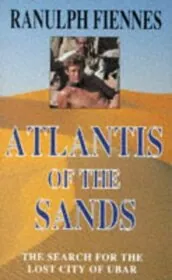
Atlantis of the Sands
by Ranulph Fiennes
1992
This book follows the long search for Ubar, the lost city of Arabian legend. Fiennes blends desert travel, research, and modern exploration to show how myth, archaeology, and stubborn persistence came together in Oman.
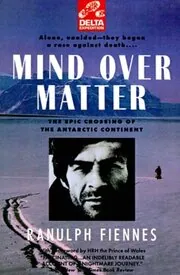
Mind Over Matter
by Ranulph Fiennes
1993
Fiennes recounts the 1993 unsupported crossing of Antarctica with Mike Stroud, hauling heavy sledges across 1,500 miles of ice. It is a harsh, absorbing record of exhaustion, frostbite, hunger, and the mental grind of keeping moving.

The Sett
by Ranulph Fiennes
1996
After a savage attack leaves him injured and stripped of memory, Alex Goodman slowly pieces together who destroyed his family. His search for the truth pulls him deep into a violent criminal world and a long, personal campaign of revenge.

Fit for Life
by Ranulph Fiennes
1999
This is Fiennes's practical guide to building strength and endurance for ordinary life, not just extreme expeditions. He covers exercise, habits, and sustainable fitness in the same no-nonsense tone he brings to adventure writing.
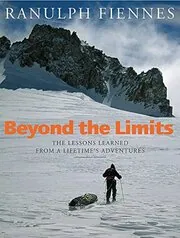
Beyond the Limits
by Ranulph Fiennes
2000
Fiennes looks back on triumphs, failures, and near disasters, then draws out the lessons he thinks mattered most. Leadership, preparation, persistence, and recovery from setbacks are the thread that holds the book together.

The Secret Hunters
by Ranulph Fiennes
2001
Derek Jacobs survives Nazi brutality as a child and grows into a relentless hunter of war criminals. His trail runs from shattered Europe to Cambodia and the Arctic, turning the novel into a long chase powered by memory and vengeance.
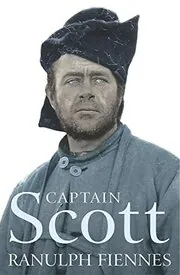
Captain Scott
by Ranulph Fiennes
2004
Fiennes revisits Robert Falcon Scott's life and Antarctic expeditions with a clear aim, to challenge the harshest verdicts on Scott's competence. He mixes biography, expedition detail, and a strong defense of Scott's reputation.
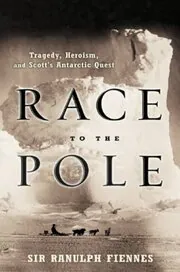
Race to the Pole
by Ranulph Fiennes
2004
A focused retelling of Scott and Amundsen's race to the South Pole, this book compares two very different leaders and methods. Fiennes brings sympathy, technical detail, and a strong sense of how weather and planning shaped the result.

An Evening with Ranulph Fiennes
by Ranulph Fiennes
2005
In this live recording, Fiennes is in storyteller mode. He moves from the Nile to the poles with dry humor, close calls, and the kind of detail that makes the audience lean in.

Mad, Bad and Dangerous to Know
by Ranulph Fiennes
2007
Fiennes's full autobiography moves from South Africa and army life to polar crossings, desert journeys, and personal loss. The appeal is not polish but momentum, one stubborn, risky decision after another, told by the man who made them.

Mad Dogs and Englishmen
by Ranulph Fiennes
2009
Fiennes turns from ice and desert to his own family tree, tracing soldiers, eccentrics, and adventurers across generations. It is part memoir, part social history, and full of the odd characters he clearly relishes.
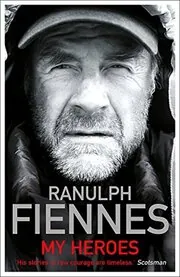
My Heroes
by Ranulph Fiennes
2011
Fiennes uses the word hero carefully, and this book explains why. Through portraits of explorers, rescuers, soldiers, and ordinary people under pressure, he asks what real courage looks like when the cost is high.
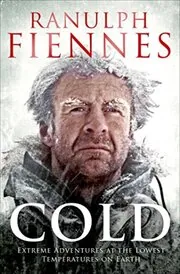
Cold
by Ranulph Fiennes
2013
Part history, part memoir, this book explores the coldest places on Earth and the people determined to cross them. Fiennes mixes famous polar expeditions with his own hard experience of frostbite, sledging, and survival.

Agincourt
by Ranulph Fiennes
2014
Fiennes retells Henry V's 1415 campaign and the Battle of Agincourt with a soldier's eye for terrain, fatigue, and command. He also threads in the long Anglo-French story, and the family links that drew him to the subject.

Heat
by Ranulph Fiennes
2015
Part history, part memoir, this book explores the hottest places Fiennes has worked in and the people drawn to them. He writes about deserts, endurance, and how heat strips life down to water, timing, and survival.
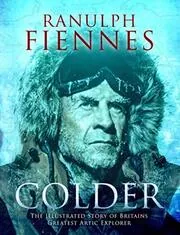
Colder
by Ranulph Fiennes
2016
This illustrated companion to Cold revisits Fiennes's polar career through photographs, maps, and diary material. It gives a vivid sense of the routes, weather, and sheer attrition behind some of his toughest journeys.

Fear
by Ranulph Fiennes
2016
Using his own expeditions and other real-life examples, Fiennes examines what fear feels like and how people work through it. The book is less about bravado than about preparation, judgment, and staying functional under pressure.

Forty Shades of White
by Ranulph Fiennes
2016
Fiennes writes the foreword to this Antarctic travel memoir by Ginni Bazlinton. What begins as a late-life voyage becomes a vivid account of ice, wildlife, history, and one woman's growing obsession with the continent.

House of Snow
by Ranulph Fiennes
2016
Fiennes provides the foreword to this anthology of stories, essays, and poems about Nepal. It offers many angles on the country's landscapes, literature, history, and people, from celebrated travelers to Nepali voices.
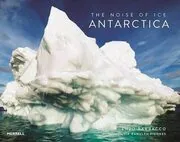
The Noise of Ice
by Ranulph Fiennes
2016
Fiennes contributes the foreword to this photography book on Antarctica. Through stark images and expedition notes, it captures the beauty, silence, and fragility of the southern ice.

The Elite
by Ranulph Fiennes
2019
Fiennes surveys elite military units from ancient Sparta to modern special forces, drawing on both history and his own service background. The focus is on training, tactics, daring missions, and the mindset demanded by high-risk operations.
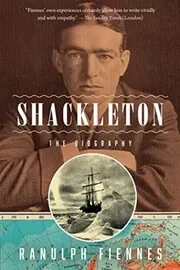
Shackleton
by Ranulph Fiennes
2021
Fiennes tells Ernest Shackleton's life with a close eye on the Endurance disaster and the leadership that followed. It is a biography written by someone who understands cold, hunger, and how much survival depends on judgment.
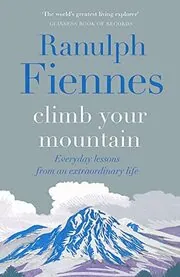
Climb Your Mountain
by Ranulph Fiennes
2022
Fiennes looks back over decades of expedition life and turns hard lessons into practical advice. It is a brisk, plainspoken book about discipline, fear, planning well, and carrying on when things go badly.

Lawrence of Arabia
by Ranulph Fiennes
2023
Fiennes takes on T. E. Lawrence as soldier, strategist, and restless public figure. The book follows the Arab Revolt and the complicated private man behind the legend, with an explorer's sympathy for harsh country and hard choices.
Where to start with Ranulph Fiennes
If you want the full life story: Living Dangerously → Mad, Bad and Dangerous to Know → Climb Your Mountain
If you want expedition memoirs: To the Ends of the Earth → Mind Over Matter → Cold
If you want polar history: Captain Scott → Race to the Pole → Shackleton
If you want military history and desert campaigns: Where Soldiers Fear to Tread → The Elite → Lawrence of Arabia
If you want the fiction first: Killer Elite / The Feather Men → The Sett
Ranulph Fiennes collections, short stories, and related book types
Non-Fiction
Standalone Ranulph Fiennes books
Author bio
Ranulph Fiennes was born in Windsor, Berkshire, on 7 March 1944, four months after his father was killed in the Second World War. After the war his mother moved the family to South Africa, and Fiennes spent much of his childhood in and around Cape Town before returning to England for school.
His route into adult life was not tidy. He did not get into Sandhurst, trained instead at Mons Officer Cadet School, joined the Royal Scots Greys in 1963, and later served with the SAS and with the Sultan of Oman's armed forces. Those years gave him the habits that would define both the expeditions and the books: plan hard, endure discomfort, and do not waste energy complaining. They also gave him stories. Army service, desert landscapes, and the mix of boredom and danger at the edge of action stayed with him for the rest of his writing life.
Then he found his real terrain.
From the late 1960s onward, Fiennes built his life around expeditions. He led journeys up the Nile, across glaciers, into the Canadian north, and eventually into the polar regions that made his name. With Charles Burton he completed the first surface circumnavigation of the globe via both poles, and in 1993 he and Mike Stroud made the first unsupported crossing of Antarctica. In 2009, at 65, he reached the summit of Everest. Along the way he also became known for turning those efforts into major charity fundraising.
Writing came alongside all of that, not after it. His early books grew directly out of the trips themselves, and that practical, report-from-the-edge style still shapes his work. Readers who pick up To the Ends of the Earth or Cold usually come for the danger, but they stay for the logistics, the decision-making, and the plain account of what the cold, hunger, and distance actually do to people. He does not write like someone standing outside the scene. He writes like someone who still remembers exactly how the rope felt in his hands.
He writes best when the stakes are simple and brutal.
Fiennes has also spent a lot of time writing about other explorers and soldiers. In Captain Scott he pushes back against the most damaging verdicts on Scott's leadership, and readers tend to like the fact that he approaches the subject as someone who has made hard calls in polar country himself. Not everything is nonfiction, either. Killer Elite / The Feather Men shows his taste for secrecy, pursuit, and violent consequences, themes that sit surprisingly close to the real expeditions. Even in very different books, the recurring interests stay much the same: endurance, loyalty, preparation, rivalry, and the cost of one bad decision.
Later, Climb Your Mountain turned his long career into a short, direct book about fear, discipline, preparation, and getting on with the job after setbacks. That is really the thread running through most of his writing. Whether he is describing a glacier, a desert crossing, a battle, or a breakdown in the middle of nowhere, he keeps coming back to the body under pressure and the mind trying not to give in.
He kept going.
His personal life has carried as much strain as the expeditions. He was married to Ginny Fiennes, his childhood sweetheart and a key force behind several major journeys, until her death in 2004. He later married Louise Millington. After a major heart attack in 2003, he recovered to take on more endurance challenges, which tells you a lot about his default setting. In later years he has also spoken openly about living with Parkinson's.
He has long been based on Exmoor, and even now his public life still circles around writing, speaking, and raising money for charity. What readers often respond to most is not polish or self-mythology. It is the sense that the man on the page has actually been cold, scared, tired, lost, and still moving forward. That makes his books feel less like adventure fantasies and more like field reports from a very unusual life.















Edited by
Software engineer whose passion for tracking book recommendations from podcasts inspired the creation of MRB.
Lead investor at 3one4 Capital whose startup expertise and love for books helped shape MRB and its growth.
Comments
Did we miss something? Have feedback?
Help us improve this page by sharing your thoughts