
Rachel Cusk Books in Order
Explore Rachel Cusk books in order, with short summaries, reading guidance, and an easy way to find the Outline trilogy, memoirs, and later fiction.
Last updated:
As an Amazon Associate, we earn from qualifying purchases (at no extra cost to you).
Rachel Cusk books in publication order
18 books
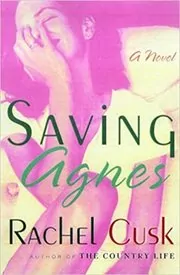
Saving Agnes
by Rachel Cusk
1993
Agnes Day is a subeditor and chronic overthinker who feels baffled by work, love, and ordinary social life. Cusk turns her confusion into a funny, uneasy portrait of a young woman trying to grow up without much of a map.
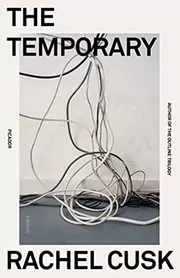
The Temporary
by Rachel Cusk
1995
Ralph Loman is drifting through a dead-end London newspaper job when he meets the magnetic Francine Snaith. What starts as attraction becomes a tense struggle over power, desire, and the traps of modern working life.
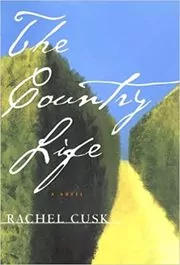
The Country Life
by Rachel Cusk
1997
Stella Benson flees London for a job caring for a teenage boy in rural Sussex, only to land in an eccentric household full of awkwardness and buried secrets. It is a sharp comedy about embarrassment, family, and not fitting in.
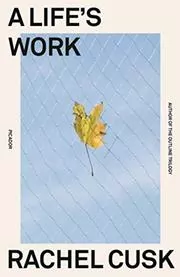
A Life's Work
by Rachel Cusk
2001
In this memoir of early motherhood, Cusk writes about birth, breast-feeding, exhaustion, and the strange isolation of caring for a baby. It is candid, funny, and unafraid of the parts of parenting people often leave out.
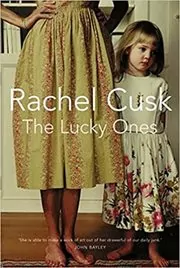
The Lucky Ones
by Rachel Cusk
2003
Five loosely linked lives circle around family bonds, missed connections, and the need to be loved. Cusk moves from one household to another, showing how parents, children, and partners can pull each other close or apart.
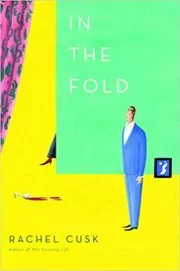
In the Fold
by Rachel Cusk
2005
As a teenager, Michael falls under the spell of the wealthy Hanbury family and their easy confidence. Years later, married and restless, he returns to their world and finds his old fantasy of belonging starting to crack.
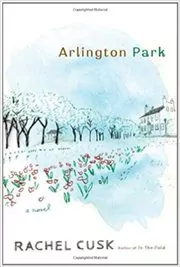
Arlington Park
by Rachel Cusk
2006
Over the course of one rainy day in an English suburb, several mothers strain against the routines of marriage, childcare, and polite domestic life. Cusk turns a neighborhood into a funny, cutting study of frustration and longing.
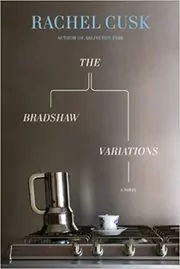
The Bradshaw Variations
by Rachel Cusk
2009
When Tonie takes a major promotion, Thomas becomes the one at home, and their marriage slips into a new balance that neither fully understands. Around them, the wider Bradshaw family exposes the quiet fault lines of middle age.
The Last Supper
by Rachel Cusk
2009
Cusk follows her family on a three-month trip through Italy, chasing art, beauty, and a break from ordinary life. The memoir mixes travel, family tension, and close observations of what it means to feel both free and out of place.
Aftermath
by Rachel Cusk
2012
Cusk writes about the collapse of a marriage and the shock waves that follow for a woman, a mother, and a household. It is frank, sharp, and focused on what divorce does to identity as much as daily life.
Outline
by Rachel Cusk
2014
A writer travels to Athens to teach during a sweltering summer and spends the novel listening to other people's stories. Out of those conversations, Cusk builds a cool, searching portrait of desire, failure, and self-invention.
Transit
by Rachel Cusk
2016
After her family falls apart, a writer moves to London with her two sons and tries to rebuild a life from scratch. Renovations, neighbors, and chance encounters turn into a subtle novel about change, vulnerability, and renewal.
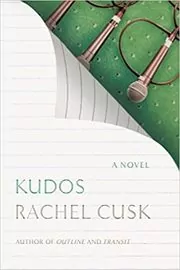
Kudos
by Rachel Cusk
2018
On a trip through Europe's literary world, Faye meets people who talk about marriage, work, identity, and performance. The novel closes the trilogy by asking what is true in the selves people present to other people.
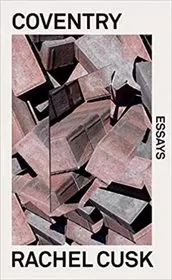
Coventry
by Rachel Cusk
2019
This essay collection gathers Cusk on family, gender, politics, literature, and the stories people use to explain themselves. Personal and critical at once, it shows the ideas running underneath her fiction.
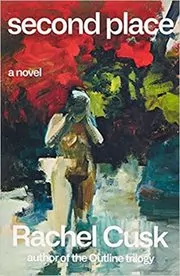
Second Place
by Rachel Cusk
2021
A woman invites a celebrated painter to stay in her guesthouse on a remote coast, hoping his art might unlock something in her life. Instead, the visit unsettles the whole household and turns into a tense study of power and attention.

Medea
by Rachel Cusk
2022
In Cusk's version of Euripides, Medea's collapsing marriage becomes a hard-edged modern drama about revenge, liberty, and gender politics. The adaptation keeps the ancient fury while bringing the conflict closer to contemporary domestic life.

Parade
by Rachel Cusk
2024
Across linked episodes about artists, mothers, children, and violence, Cusk keeps turning identity inside out. The novel is formally daring, but its questions are immediate: who gets seen, who gets freedom, and what art does to a life.

Life of M
by Rachel Cusk
2026
A writer studies the life of M, a movie star whose fame seems to bend space, time, and ordinary rules. Cusk uses that closeness to ask what beauty, power, and image culture hide from the people living inside them.
Where to start with Rachel Cusk
If you want the signature trilogy: Outline → Transit → Kudos
If you want sharp early fiction: Saving Agnes → The Country Life → In the Fold
If you want memoir first: A Life's Work → The Last Supper → Aftermath
If you want later formal experiments: Second Place → Parade
Rachel Cusk sub-series and character series
Outline books in order
Explore this seriesRachel Cusk collections, short stories, and related book types
Non-Fiction
Standalone Rachel Cusk books
Author bio
Rachel Cusk was born in Saskatoon, Saskatchewan, in 1967 to British parents. She spent much of her early childhood in Los Angeles before her family returned to England, and that sense of crossing from one place to another never really left her work. She was educated at St Mary's Convent in Cambridge and later read English at New College, Oxford.
Movement came first.
She has said that she wrote from very young, but turning that private habit into a life took a harder kind of resolve. After university she was in London, working and writing in the evenings, and then stepped away from ordinary city life to finish a novel in near-isolation at her parents' house. She later described that stretch as the period when she really learned the discipline of writing.
The early books arrived quickly. Saving Agnes won the Whitbread First Novel Award, The Temporary followed, and The Country Life won the Somerset Maugham Award. Those novels made it clear that Cusk was interested less in neat plots than in pressure, the pressure of class, family, social awkwardness, and the ordinary humiliations people try to hide.
That interest kept deepening in books like In the Fold, Arlington Park, and The Bradshaw Variations. Her characters are often husbands and wives, parents and children, neighbors, dinner guests, or people trying to enter a social world that does not quite want them. Readers who like her early fiction usually respond to the cool wit, the discomfort, and the feeling that a whole marriage or household can be exposed in a single conversation.
She does not smooth the edges.
After having two daughters in quick succession, she began writing more directly out of lived experience. A Life's Work wrote about early motherhood in a way many readers found bracing and others found shocking, because it made room for boredom, fury, exhaustion, and ambivalence alongside love. The Last Supper turned to family travel and art during a season in Italy, and Aftermath confronted divorce and separation with the same refusal to tidy up experience. Those books were not just praised, they were argued over, because Cusk would not pretend domestic life was simple or sacred.
For many readers, the big turning point was the Outline trilogy, Outline, Transit, and Kudos. In those books, a writer named Faye becomes less a conventional heroine than a listening presence, with whole lives unfolding through conversations on planes, at dinner tables, in classrooms, at literary festivals, and in half-accidental encounters. The novels are quiet on the surface, but full of tension about marriage, freedom, art, money, gender, and the stories people tell to keep themselves intact. Instead of building suspense through action, Cusk lets voice do the work.
Part of the pleasure of reading Cusk is that she never stays put for long. Some books are comic, some essayistic, some fragmentary, and some sit right on the border between fiction and memoir. Coventry gathers essays on family, politics, literature, and the self. Second Place uses the arrival of a famous painter at a coastal household to ask what art can do to a life, while Parade and Life of M push further into questions of image, gender, beauty, fame, and the unstable self. She also adapted Medea, bringing the old tragedy closer to modern arguments about marriage, liberty, and revenge.
Cusk is a Guggenheim fellow, and she now lives in Paris. That mix of coolness and exposure is a big part of why readers either latch on to her work immediately or keep thinking about it long after they put it down. Across all the shifts in form, her work keeps circling the same questions: how people narrate themselves, how freedom can turn into loneliness, and how hard it can be to tell the truth without paying for it.
Edited by
Software engineer whose passion for tracking book recommendations from podcasts inspired the creation of MRB.
Lead investor at 3one4 Capital whose startup expertise and love for books helped shape MRB and its growth.
Comments
Did we miss something? Have feedback?
Help us improve this page by sharing your thoughts