
Point Horror Unleashed Books in Order
Part ofCelia Rees Books in OrderBrowse the Point Horror Unleashed books by Celia Rees in order, with short summaries, background on these eerie standalones, and reading help.
Last updated:
As an Amazon Associate, we earn from qualifying purchases (at no extra cost to you).
Point Horror Unleashed books in publication order
3 books
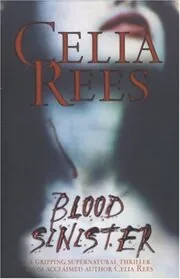
Blood Sinister
by Celia Rees
1996
Sent to recover at her grandmother's house, Ellen finds old diaries that describe a handsome Count from beyond the forest. As her strength fades, the past starts reaching for her in a very hungry way.
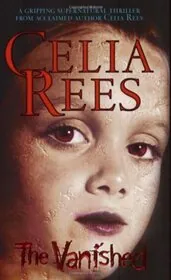
The Vanished
by Celia Rees
1997
Fraser starts out treating the city's ghost stories and disappearances as good material for the school paper. Then the clues begin to point toward something real, and the investigation turns personal.
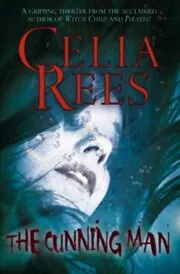
The Cunning Man
by Celia Rees
2000
Finn dreads the Salt House above dangerous Westwater Bay, where shipwreck legends and old fears of drowning refuse to stay buried. When she meets the unnerving Griffiths, local folklore starts to feel horribly real.
Point Horror Unleashed books in chronological order
Series background & context
Celia Rees's Point Horror Unleashed books are not a single ongoing story with the same cast moving from one novel to the next. They are her contributions to a shared teen horror line, and that matters because it shapes what kind of reading experience you get. These are standalones. Each book drops a young protagonist into a different nightmare, builds the mood fast, and lets the supernatural or the sinister do its work.
Blood Sinister leans into gothic horror. A sick girl, Ellen Forrest, is sent away to recover and finds herself reading old family diaries that seem tied to her own fading strength. The atmosphere is all about old houses, buried history, and a threat that may be reaching across generations. If you like vampire stories with a traditional chill, this is the one that most obviously scratches that itch.
Then The Vanished shifts the setting to school corridors and city legends.
That book follows Fraser as ghost stories and disappearances start to look less like folklore and more like something dangerously real. Rees is good at taking the kinds of stories teenagers tell each other for a thrill and nudging them into something more unsettling. The fear grows out of ordinary surroundings, which makes the supernatural feel uncomfortably close.
The Cunning Man goes in yet another direction, toward the coast and old local lore. Finn arrives at the Salt House above Westwater Bay already carrying fears of drowning, and the landscape only deepens them. Shipwreck stories, wreckers' lights, storms, and a man who seems to embody the old legends give this book a darker, more folkloric edge. It feels windswept and haunted in a different way from the others.
What links all three novels is tone rather than plot. Rees likes isolated young people, uneasy families, half-buried local history, and the moment when a rational explanation starts to slip away. Her horror is more atmospheric than gory. There are real shocks, but the stronger effect usually comes from dread, place, and the sense that the past is never as finished as it looks.
So this is a good series page for readers who want variety inside a shared mood. You can read these books in any order. Each stands on its own. Together, though, they show how flexible Rees could be inside teen horror, moving from vampire gothic to urban haunting to coastal folklore while keeping the same sharp feel for vulnerable young characters and creeping menace.



Edited by
Software engineer whose passion for tracking book recommendations from podcasts inspired the creation of MRB.
Lead investor at 3one4 Capital whose startup expertise and love for books helped shape MRB and its growth.
Comments
Did we miss something? Have feedback?
Help us improve this page by sharing your thoughts