
Pliocene Exile Books in Order
Part ofJulian May Books in OrderBrowse the Pliocene Exile books by Julian May in order, with quick summaries, world background, and tips on where to start this classic saga.
Last updated:
As an Amazon Associate, we earn from qualifying purchases (at no extra cost to you).
Pliocene Exile books in publication order
4 books
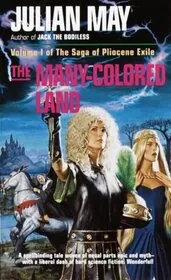
The Many-Colored Land
by Julian May
1981
A one-way time gate sends misfits into Earth's Pliocene past, where they find not freedom but alien powers, psychic torcs, and brutal new alliances. It is the big, strange opening move of May's linked universe.
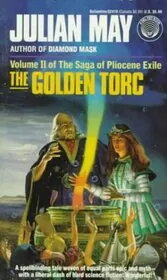
The Golden Torc
by Julian May
1982
As more exiles arrive in the Pliocene, the fragile balance between Tanu, Firvulag, and rebellious humans begins to break. Old grudges, psychic gifts, and shifting loyalties turn survival into open war.
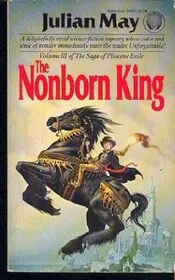
The Nonborn King
by Julian May
1983
After the fighting reshapes the Many-Colored Land, Aiken Drum crowns himself king while rival factions regroup. The war widens, ancient powers stir, and the future of both humans and aliens hangs in the balance.
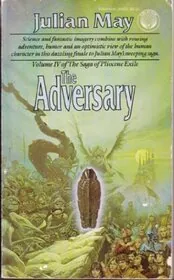
The Adversary
by Julian May
1984
The Pliocene saga drives toward its final reckoning as Aiken Drum's rule, human resistance, and alien rivalries collide. What began as exile becomes a battle over power, prophecy, and the fate of the world.
Pliocene Exile books in chronological order
Series background & context
The Pliocene Exile books are the place where Julian May's imagination first goes gloriously off the leash. On paper, the premise is science fiction: a one-way time gate lets people from the future leave civilization behind and head for Earth six million years in the past. In practice, the series reads like a wild blend of science fiction, mythic fantasy, political drama, and survival story.
The people who take that gate are not tidy explorers. They are misfits, idealists, criminals, artists, failures, and people who simply do not fit the world they came from. They expect freedom. What they find instead is prehistoric Europe already occupied by two alien races, the shining, torc-wearing Tanu and their fierce rivals, the Firvulag. Both groups have their own customs, old enmities, and psychic powers, and the human arrivals upset everything.
That is where the real story starts.
Across The Many-Colored Land, The Golden Torc, The Nonborn King, and The Adversary, May follows a large cast through shifting alliances, rebellion, seduction, war, and prophecy. Elizabeth Orme brings intelligence and moral steadiness. Aiken Drum becomes one of the series' most magnetic and dangerous figures, part trickster, part war leader, part impossible king. Felice Landry shows how psychic power and personal damage can feed each other in awful ways. The cast is big, but May keeps giving it emotional hooks.
The setting does a lot of work too. This is not generic prehistory. It is a Europe of marshes, megaliths, hidden strongholds, ceremonial conflict, and old stories that will one day echo as Celtic legend. The Tanu wear golden torcs that amplify psychic abilities and create a rigid social order. Humans arriving from the future do not just have to survive the land. They have to decide whether to submit, resist, bargain, or try to seize power for themselves.
The tone shifts as the series grows. The first book has the excitement of discovery and dreadful surprise. Later books become more openly military and political. Rival factions form among humans. Alien divisions worsen. Questions about legitimacy, inheritance, and the right to rule come to the front, especially once Aiken Drum rises. Because the series is linked to the later Milieu books, readers also get hints that the stakes stretch far beyond the Pliocene.
What makes Pliocene Exile hold together is the friction between scale and personality. These are books about whole peoples in motion, but they are also books about vanity, loyalty, lust, grief, and the old human habit of carrying one's problems into any new world. The psychic powers and alien cultures are fun. The motives underneath them are often painfully familiar.
If you like stories that start with a big speculative idea and then turn into something stranger, darker, and more myth-soaked, this is probably Julian May's signature series. It is where exile becomes empire, and where history begins to feel haunted before it has even happened.

Edited by
Software engineer whose passion for tracking book recommendations from podcasts inspired the creation of MRB.
Lead investor at 3one4 Capital whose startup expertise and love for books helped shape MRB and its growth.
Comments
Did we miss something? Have feedback?
Help us improve this page by sharing your thoughts