
Pistache Books in Order
Part ofSebastian Faulks Books in OrderExplore the Pistache collections by Sebastian Faulks in order, with notes on each literary parody, series background and tips on where to begin with his comic pastiches.
Last updated:
As an Amazon Associate, we earn from qualifying purchases (at no extra cost to you).
Pistache books in publication order
2 books
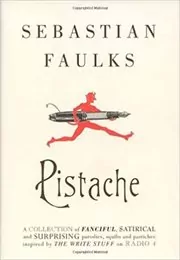
Pistache
by Sebastian Faulks
2006
Based on radio pastiches written for a literary quiz show, Pistache is a pocket collection of comic pieces in which Faulks playfully imitates famous authors and genres. It’s a quick, witty dip into nursery rhymes, fairy tales and classics turned on their heads.
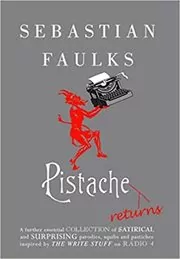
Pistache Returns
by Sebastian Faulks
2011
This second Pistache collection offers fresh parodies and playful squibs, recasting well‑known authors and characters in wildly inappropriate settings. It’s a light, fast read for dipping into whenever you want a sharp, literate joke at literature’s expense.
Pistache books in chronological order
Series background & context
The Pistache books grew out of Sebastian Faulks’s long stint as a team captain on a light‑hearted BBC Radio 4 quiz, where each week the panellists were asked to write a short pastiche in the style of a chosen author. Listeners liked the parodies so much that Faulks gathered his contributions into a small volume, Pistache, and later followed it with Pistache Returns.
Each piece takes a familiar writer, character or genre and nudges it gently into the absurd. Fairy tales might be told in the voice of a confessional poet; a Victorian heroine might file a hotel review; a hard‑boiled detective could turn up at a village fête. The humour lies in the collision between voices we think we know and situations they were never meant to inhabit.
Because most of the sketches are only a page or two long, the tone stays light and quick. You can read one while waiting for a train, or dip in at random when you need something that will make you smile without asking for much emotional investment. If you know the underlying authors – from nursery‑rhyme compilers to literary heavyweights – there is an extra layer of pleasure in spotting the borrowed tricks of rhythm and vocabulary.
At the same time, the books show how carefully Faulks studies other people’s sentences. To write a convincing parody you have to notice tics of syntax, favourite metaphors, pet subjects, even the way a writer structures a joke. Pistache is affectionate rather than cruel: it depends on admiration for the originals and assumes the reader shares that affection.
Nothing in the series is continuous; there are no recurring protagonists or overarching plots to follow. You can begin with either volume and read the sketches in any order. Taken together, though, they offer a sideways tour of English‑language literature and give a glimpse of the playfulness that sits behind Faulks’s more serious historical novels.
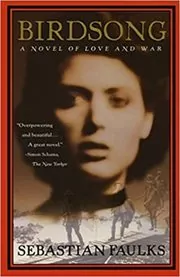
If you mostly know him from Birdsong and Human Traces, these books are a reminder that he can also be very, very silly.
For readers visiting this page, Pistache makes an ideal palate‑cleanser between darker works about war, psychiatry or political extremism. A couple of pastiches read after a stretch in the trenches or a weighty Austrian clinic can feel like someone opening a window and letting the air back in.






Edited by
Software engineer whose passion for tracking book recommendations from podcasts inspired the creation of MRB.
Lead investor at 3one4 Capital whose startup expertise and love for books helped shape MRB and its growth.
Comments
Did we miss something? Have feedback?
Help us improve this page by sharing your thoughts