
Petra Durst Benning Books in Order
Browse Petra Durst Benning books in order, with series guides, short summaries, reading order help, and easy tips on where to start with her historical fiction.
Last updated:
As an Amazon Associate, we earn from qualifying purchases (at no extra cost to you).
Petra Durst Benning books in publication order
10 books
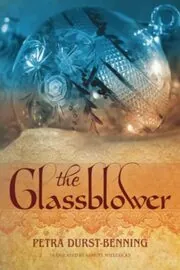
The Glassblower
by Petra Durst Benning
2000
In 1890 Lauscha, Marie Steinmann breaks tradition after her parents' deaths and becomes the town's first female glassblower. As she and her sisters struggle to survive, craft, family loyalty, and stubborn hope shape their future.
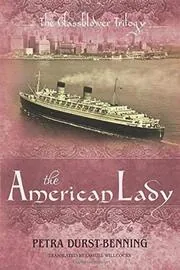
The American Lady
by Petra Durst Benning
2003
Wanda Miles has always felt restless in New York society. When her aunt Marie reveals a buried family secret, Wanda travels to Lauscha to uncover the truth and finds a life, and a past, she never expected.
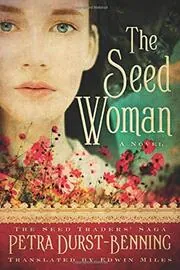
The Seed Woman
by Petra Durst Benning
2005
In 1850s Gönningen, Hannah Brettschneider arrives seeking the traveling seed merchant she loves and finds him promised elsewhere. Her arrival unsettles an entire family and turns the village's seed-trading world upside down.
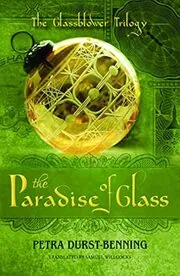
The Paradise of Glass
by Petra Durst Benning
2007
The Steinmann family business is thriving, but Lauscha's whole glassmaking tradition is under threat. When Wanda returns from America, she risks money, love, and reputation to save the town's fragile future.
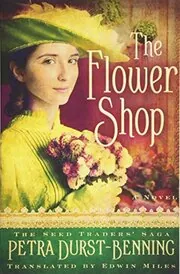
The Flower Shop
by Petra Durst Benning
2008
Flora Kerner leaves her family's seed trade for an apprenticeship in Baden-Baden's flower world. Her gift for arranging blooms opens doors, but building a new life proves harder than choosing the work she truly loves.
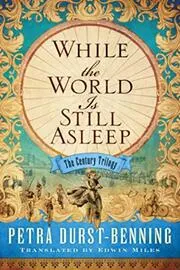
While the World is Still Asleep
by Petra Durst Benning
2012
In 1890s Berlin, grief-stricken Josephine discovers the bicycle and a taste of freedom. Her secret night rides pull her, and her friends Clara and Isabelle, toward scandal, danger, and a very different future.
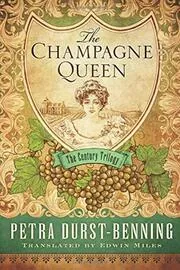
The Champagne Queen
by Petra Durst Benning
2013
After eloping with Leon, Isabelle lands on a struggling vineyard in Champagne. She throws herself into the hard business of winemaking and must decide whether grit, love, and ambition can build the future she imagined.
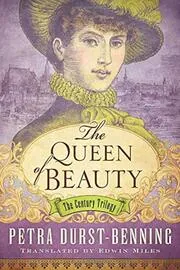
The Queen of Beauty
by Petra Durst Benning
2015
After her marriage collapses and scandal ruins her standing, Clara must start over from nothing. At Lake Constance, she turns her skills as a chemist into a daring beauty business and fights to rebuild everything she lost.
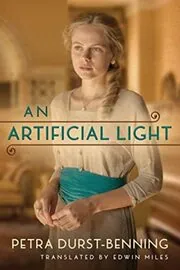
An Artificial Light
by Petra Durst Benning
2020
Mimi has built a foothold as a photographer, but love, duty, and sudden loss leave her at a crossroads. As the world darkens around her, every choice pulls her between home, independence, and the road.
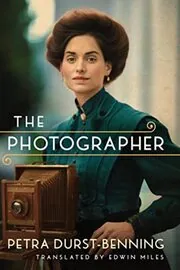
The Beginning of the Road
by Petra Durst Benning
2020
On her twenty-sixth birthday, Mimi Reventlow turns down a safe future and chooses the camera instead. Setting out as a traveling photographer in early twentieth-century Germany, she chases independence, work, and a life of her own.
Where to start with Petra Durst Benning
If you want her signature family saga: The Glassblower → The American Lady → The Paradise of Glass
If you like turn-of-the-century women pushing against the rules: While the World is Still Asleep → The Champagne Queen → The Queen of Beauty
If you want a long, character-led journey: The Beginning of the Road → An Artificial Light
If you prefer village life, trade, and family drama: The Seed Woman → The Flower Shop
Petra Durst Benning sub-series and character series
Century Trilogy (Petra Durst Benning) books in order
Explore this seriesCentury Trilogy (Petra Durst Benning) books in chronological order
Photographer's Saga books in order
Explore this seriesPhotographer's Saga books in chronological order
Author bio
Petra Durst Benning was born in 1965 in Baden-Württemberg, in southern Germany, and that part of the country never really left her. Even now, after years of bestseller success, her work still feels rooted in small towns, skilled trades, and the kind of local history that lives in workshops, kitchens, and family stories.
Her path to novels was not a straight one. She attended an agricultural-science secondary school, trained as a business correspondent and translator, then worked as an editor for a dog magazine. She also wrote nonfiction books about natural healing methods for animals, which is one of the useful clues to her fiction too. She likes practical detail, and she likes to understand how things actually work.
Fiction came later.
In the 1990s she turned to novels, and it was not an instant fairytale. Her first historical novel, Die Silberdistel, reached print in 1996 after early rejections. Once she found her lane, she stayed with it, writing big, readable historical stories about women who make things, sell things, fix things, or step into jobs that men assume belong to them.
The women in her books are rarely rebels in an abstract way. They are usually trying to earn a living, protect family, learn a trade, or keep a business afloat. That is what makes the stakes feel human. Freedom in a Petra Durst Benning novel is often tied to rent, bread, tools, reputation, and the right to keep going.
She likes work stories.
That interest runs through many of her best-known books. In The Glassblower, the world of Lauscha's workshops shapes every choice the Steinmann sisters make. The Seed Woman follows families whose lives depend on the seed trade. While the World is Still Asleep turns a bicycle into a symbol of movement and risk. And in The Beginning of the Road, photography becomes both a livelihood and a way for Mimi Reventlow to claim a life on her own terms.
Readers often come to Petra Durst Benning for the same reason. Her novels are full of research, but they do not read like homework. She has said that she likes to visit the places she writes about before she starts, and that habit comes through on the page. You feel the furnaces in The Glassblower, the vineyards in The Champagne Queen, the business-minded reinvention of The Queen of Beauty, and the roads, villages, and studios of the Photographer books. The research is there to support the people in the story, not bury them.
There is a personal thread here too. As a child, she spent time around her parents' antiques shop in Kirchheim unter Teck, where old objects and historic photographs left a strong impression on her. That early fascination later fed directly into the Photographer saga. More broadly, it helps explain why her fiction so often lingers on material culture, what people wore, handled, made, sold, and saved.
Her books have been translated into many languages and sold in the millions. Two novels, The Seed Woman and The Glassblower, were adapted for the screen. In 2015 she also published her first contemporary novel, Kräuter der Provinz, after many years focused on historical fiction.
These days she lives in Bad Kreuznach with her husband and their two dogs, while keeping close ties to Baden-Württemberg. Off the page, she has talked about loving cooking, gardening, long walks with the dogs, knitting, and sewing. That mix of curiosity and hands-on pleasure feels very much in line with the books themselves, warm, grounded, and interested in how ordinary work can open into a bigger life.



Edited by
Software engineer whose passion for tracking book recommendations from podcasts inspired the creation of MRB.
Lead investor at 3one4 Capital whose startup expertise and love for books helped shape MRB and its growth.
Comments
Did we miss something? Have feedback?
Help us improve this page by sharing your thoughts