
Petina Gappah Books in Order
Browse Petina Gappah’s books in order, with brief summaries, reading guidance, and a helpful introduction to her Zimbabwean fiction and key themes.
Last updated:
As an Amazon Associate, we earn from qualifying purchases (at no extra cost to you).
Petina Gappah books in publication order
4 books

An Elegy for Easterly
by Petina Gappah
2009
These stories move through a Zimbabwe under political and economic strain, following people shaped by illness, poverty, bureaucracy, family, and chance. Dark humor sits beside grief as ordinary characters find ways to endure, argue, hope, and carry on.
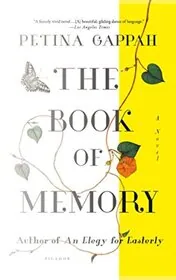
The Book of Memory
by Petina Gappah
2015
On death row in Harare’s Chikurubi Maximum Security Prison, Memory writes the account her lawyer needs for an appeal. Her memories of being sold to and raised by Lloyd Hendricks, the man she was convicted of killing, make the case far less simple.
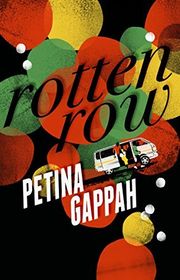
Rotten Row
by Petina Gappah
2016
Set around Harare’s criminal courts, this linked story collection follows people caught in disputes, violence, and everyday absurdity. Lawyers, families, workers, and strangers cross paths as Gappah explores what justice looks like when life is messy.
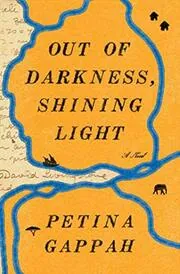
Out of Darkness, Shining Light
by Petina Gappah
2019
After David Livingstone dies, a group of African companions carries his body, papers, and maps across the continent toward the coast. Through cook Halima and secretary Jacob Wainwright, the journey tests loyalty, survival, and the stories history chooses to remember.
Where to start with Petina Gappah
For short fiction about contemporary Zimbabwe: An Elegy for Easterly → Rotten Row
For a prison-set mystery shaped by memory: The Book of Memory
For historical fiction and a long, dangerous journey: Out of Darkness, Shining Light
Petina Gappah collections, short stories, and related book types
Short Story Collections
Standalone Petina Gappah books
Author bio
Petina Gappah was born in 1971 in Zambia’s Copperbelt Province and grew up in Zimbabwe, after her family returned there when she was still a baby. Her childhood unfolded in a changing country. After independence, she was among the first Black pupils at a primary school that had previously been reserved for white children.
Writing arrived early. Gappah began making up stories at about ten or eleven, and her first published story appeared in her secondary school magazine when she was fourteen. She kept writing through her teens, trying stories, poems, plays, and longer fiction before she had any clear path to publication.
She also built a serious legal career. Gappah studied law at the University of Zimbabwe and the University of Cambridge, then completed a doctorate in international trade law at the University of Graz. Her work took her to Geneva, where she worked in international trade law and on issues affecting developing countries.
But she never stopped wanting to be a writer.
In 2006, she began pursuing fiction with new focus. A short story shared with an online writing group caught an editor’s attention, and she went on to enter competitions, seek an agent, and assemble work for publishers. That route led to her first book, An Elegy for Easterly, a 2009 collection of thirteen stories that won the Guardian First Book Award.
The stories in An Elegy for Easterly look at Zimbabwe through people dealing with illness, money troubles, political pressure, family disputes, and plain bad luck. Gappah doesn’t flatten their lives into a single message. She makes room for gossip, jokes, frustration, and the odd ways people keep going when ordinary plans fall apart.
Her first novel, The Book of Memory, follows Memory, an albino woman on death row in Harare who is asked to write the account that may help her appeal. The book moves between prison, childhood, family secrets, and class divides in Zimbabwe. Gappah returned to linked short fiction with Rotten Row, where crime, courtrooms, and private conflicts bring together people from across contemporary Zimbabwean life.
With Out of Darkness, Shining Light, she turned to nineteenth-century history. The novel follows African companions carrying David Livingstone’s body, papers, and maps toward the coast after his death. Told largely through Halima, his cook, and Jacob Wainwright, his secretary, it asks readers to look past the famous explorer and toward the people whose labor made the journey possible.
Across fiction, law, and journalism, Gappah has kept her attention on how public systems land in private lives. Her books often deal with justice, memory, race, class, loyalty, and the stories people tell to survive. They can be funny in bleak moments, but the humor never lets anyone off the hook.






Edited by
Software engineer whose passion for tracking book recommendations from podcasts inspired the creation of MRB.
Lead investor at 3one4 Capital whose startup expertise and love for books helped shape MRB and its growth.
Comments
Did we miss something? Have feedback?
Help us improve this page by sharing your thoughts