
Peter De Jonge Books in Order
Browse Peter De Jonge books in order, from his solo crime novels to his James Patterson collaborations, with quick summaries and easy tips on where to start.
Last updated:
As an Amazon Associate, we earn from qualifying purchases (at no extra cost to you).
Peter De Jonge books in publication order
8 books

Miracle on the 17th Green
by Peter De Jonge
1996
Travis McKinley is fifty, stuck, and drifting from his family when one Christmas round changes everything. A sudden gift for golf sends him to Pebble Beach and gives him one last chance to matter.
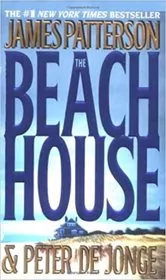
The Beach House
by Peter De Jonge
2002
When his brother turns up dead off East Hampton, law student Jack Mullen refuses to believe it was an accident. His search drags him into the sex secrets and moneyed cover-ups of the Hamptons elite.
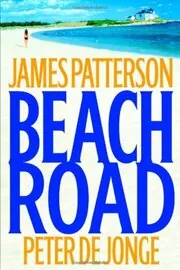
Beach Road
by Peter De Jonge
2006
Small-town lawyer Tom Dunleavy takes on the case of a lifetime when an old friend is accused of a brutal triple murder in East Hampton. To win, he must challenge the money, power, and secrets that run the Hamptons.
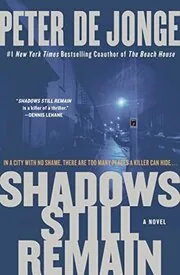
Shadows Still Remain
by Peter De Jonge
2009
Detective Darlene O'Hara starts with a missing NYU student and finds a darker, messier city underneath. As the case turns high-profile, she keeps digging into Francesca Pena's hidden life even when the NYPD wants her off it.
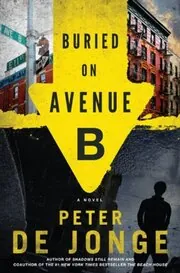
Buried on Avenue B
by Peter De Jonge
2012
An old confession leads Darlene O'Hara to a shallow grave on the Lower East Side, but the body she finds rewrites the case. The trail stretches from Manhattan to Florida and into long-buried secrets.
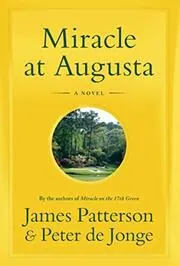
Miracle at Augusta
by Peter De Jonge
2015
A year after his shocking breakthrough, Travis McKinley is famous but badly off balance. His path back runs through a troubled teenage golfer and a long shot at redemption on one of the game's biggest stages.
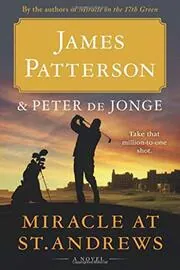
Miracle at St. Andrews
by Peter De Jonge
2019
With his pro career fading, Travis McKinley heads to Scotland on a family trip that turns into one last gamble. A surprise chance near St. Andrews forces him to decide what golf, and the rest of his life, really means.

Tiger, Tiger
by Peter De Jonge
2024
This fast-moving biography follows Tiger Woods from child prodigy to global superstar, through scandal, injury, and comeback. It looks at the ambition, pressure, and reinvention behind one of golf's biggest lives.
Where to start with Peter De Jonge
If you want his solo New York crime novels: Shadows Still Remain → Buried on Avenue B
If you want Hamptons legal suspense: The Beach House → Beach Road
If you want golf fiction with heart: Miracle on the 17th Green → Miracle at Augusta → Miracle at St. Andrews
If you want nonfiction about golf greatness: Tiger, Tiger
Peter De Jonge sub-series and character series
Travis McKinley (Peter De Jonge) books in order
Explore this seriesTravis McKinley (Peter De Jonge) books in chronological order
Peter De Jonge collections, short stories, and related book types
Non-Fiction
Standalone Peter De Jonge books
Author bio
Peter De Jonge was born in Stamford, Connecticut, on April 5, 1954, and, apart from three childhood years in Switzerland, he grew up there. His family history carried a lot of weight. His father had escaped Germany in 1937 and later returned with the U.S. Army during the war, and his mother was an artist. As a teenager, De Jonge was also a highly ranked junior tennis player, which may help explain why competition, nerves, and private obsession feel so natural in his work.
Before novels, he learned how to notice things.
After graduating from Princeton in 1977, he worked for weekly newspapers in Connecticut and later for the Associated Press in Newark and Albany. That reporting background matters. His fiction moves quickly, but it also pays attention to street detail, class differences, and the odd telling fact that makes a scene feel real.
In the mid-1980s, he took a copywriting job at J. Walter Thompson to help support a move to New York City. He kept writing on the side, though, and magazine pieces for outlets including The New York Times Magazine, New York magazine, and National Geographic started to build his reputation. Those articles eventually caught the eye of James Patterson, who was then an executive at the same agency. Instead of telling De Jonge to stop moonlighting, Patterson asked him to collaborate.
That partnership led to Miracle on the 17th Green, a golf novel about a middle-aged man who suddenly finds a way back to himself, and later to The Beach House and Beach Road, both fast-moving thrillers set among the money, secrecy, and summer power games of the East End. Readers who come to De Jonge through these books usually notice the pace first. Then they notice the sharper stuff underneath, class tension, family damage, and people trying to push back against systems already stacked against them.
He could have stayed in that lane, but he chose to go smaller and stranger.
On his own, De Jonge created Detective Darlene O'Hara, the hard-driving center of Shadows Still Remain and Buried on Avenue B. These books trade celebrity thriller shine for a grittier Manhattan, especially the Lower East Side and East Village, where bars, back rooms, old resentments, and city history all matter. Readers who like them tend to talk about the same things: O'Hara's stubbornness, the lived-in New York atmosphere, and De Jonge's feel for characters who are funny, bruised, and still moving.
Golf kept pulling him back, which makes sense because he has also written about the sport as a journalist. Years after that first collaboration, he returned to Travis McKinley in Miracle at Augusta and Miracle at St. Andrews, and later worked with Patterson on Tiger, Tiger, a biography of Tiger Woods. Across both crime fiction and golf books, De Jonge seems drawn to people under pressure, especially people whose public role and private life no longer match.
He is married, has two sons, and lives and works on Manhattan's Upper West Side. Even so, he has said he feels a special pull toward the East Village, and that neighborhood runs through much of his fiction. It fits. Peter De Jonge writes like someone who likes cities, competition, and the mess people make while trying to become slightly better versions of themselves.









Edited by
Software engineer whose passion for tracking book recommendations from podcasts inspired the creation of MRB.
Lead investor at 3one4 Capital whose startup expertise and love for books helped shape MRB and its growth.
Comments
Did we miss something? Have feedback?
Help us improve this page by sharing your thoughts